Schluter Jolly Trim vs Bullnose Tile vs Pencil Liner for Edges
Choosing between Schluter Jolly trim vs Bullnose tile vs Pencil liner for edges is a critical decision that dictates the aesthetic and structural longevity of your tiling project. Each option offers a distinct profile, installation process, and level of durability that can either simplify your workflow or complicate your design vision.
Whether you are finishing a shower niche, a kitchen backsplash, or a floor transition, understanding the practical trade-offs is essential. This breakdown helps you identify which material best suits your specific layout, budget, and style preferences, ensuring your final installation looks professional and stands the test of time without unnecessary guesswork.
Evaluating the Aesthetic Impact of Your Edge Profiles
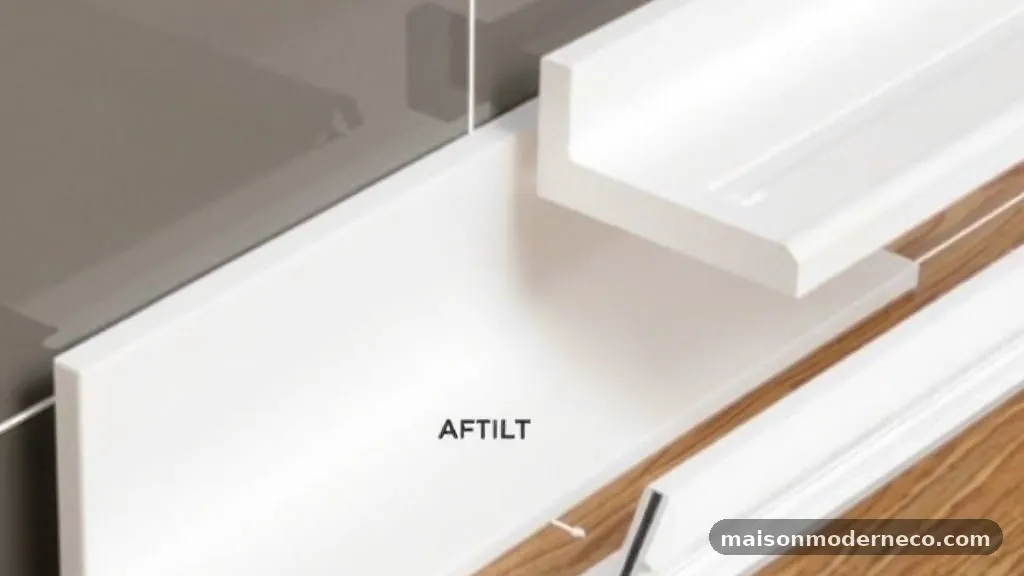
The visual language of your tile work is defined by how you address the raw, exposed edges of your material. When you consider Schluter Jolly trim vs Bullnose tile vs Pencil liner for edges, you are essentially choosing between a modern industrial look, a traditional soft transition, or an ornate decorative frame.
Schluter profiles offer a crisp, geometric line that emphasizes the structure of the wall, making them a favorite for contemporary and minimalist bathrooms. Because they come in various metallic finishes and powder-coated colors, they can either blend into your grout lines or act as a deliberate accent piece.
Bullnose tile, on the other hand, provides a softer, rounded appearance. This is the classic choice for those who want the edge of the tile to match the field tile perfectly in color and texture. Because the edge is rounded, it feels more organic and less “sharpened” than a metal profile.
However, this relies entirely on the manufacturer producing a matching bullnose piece for your specific tile line. If your tile collection lacks a coordinating bullnose, you may find yourself struggling to find a close match, which can ruin the visual consistency of the space.
Pencil liners serve as a bridge between these two worlds. They are thin, rounded strips of stone, ceramic, or glass that create a subtle border. They add a sense of luxury and depth, particularly when used with natural stone or mosaic patterns.
While they don’t provide the same structural protection as a metal profile, they excel at masking slight imperfections in the wall or uneven tile cuts. Choosing the right profile requires looking at your overall design goal: do you want to highlight the edge, hide it, or frame it with a decorative element?
Understanding the Installation Complexity for Each Option
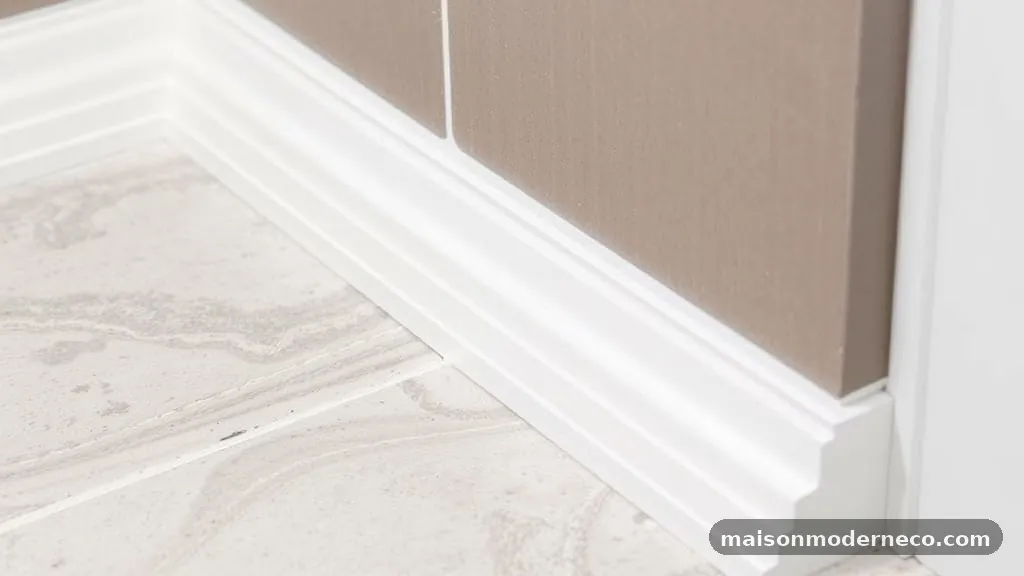
Installation speed and difficulty vary wildly between these three methods. A Schluter profile is integrated directly into the thin-set mortar during the tiling process. You set the profile, anchor the perforated flange into the mortar, and then butt your tiles right up to the edge.
This provides a built-in screed line, which makes tiling easier, but it requires a high degree of precision to ensure the profile remains perfectly plumb or level as the mortar sets. If you bump it during the process, your entire line of tile could be thrown off.
Bullnose tiles are installed just like any other tile, but they require careful planning at the corners. Because the rounded edge consumes a portion of the tile, you must account for the thickness and the radius when calculating your layout.
Achieving a clean corner with bullnose often requires miter cuts or the use of specialized corner pieces, which can be expensive and difficult to source. If you aren’t careful, the gap between the bullnose and the adjacent wall can become a collection point for moisture, leading to potential long-term issues.
Pencil liners are arguably the most forgiving during installation but require a steady hand. They are typically adhered to the surface after the main tiles are set or tucked into a small gap between the tile and the wall.
Because they are narrow, they are excellent for correcting small “oops” moments where your tile cut might have been a hair too short. However, you must ensure the adhesive used is compatible with the material of the pencil liner, especially if you are using natural stone that could stain from the wrong type of thin-set.
Durability and Maintenance Considerations
When you compare the longevity of these options, metal profiles like those from Schluter-Systems often come out on top. They are designed to protect the edge of the tile from mechanical impact, such as a vacuum cleaner hitting a wall base or a heavy object striking a shower niche.
Because they are made from stainless steel, aluminum, or brass, they won’t chip or crack, provided you select the right material for the environment. For example, you should avoid using uncoated aluminum in high-moisture areas where it could potentially oxidize over time.
Bullnose tiles share the same durability as the field tile itself. If you are using a high-quality porcelain tile, the bullnose will be just as hard and resistant to scratching. The main risk here is impact; a sharp hit to a ceramic bullnose edge can cause the glaze to chip, exposing the clay body underneath.
This is particularly noticeable on dark-colored tiles where the white or buff-colored body contrasts sharply with the surface finish. Repairing a chipped bullnose is notoriously difficult, often requiring a total tile replacement.
Pencil liners are the most fragile of the three. Because they are often slender pieces of stone or glass, they are prone to snapping if bumped hard.
If you choose a marble pencil liner, you must be prepared for the maintenance that comes with natural stone, such as periodic sealing to prevent staining. While they look stunning, they are best suited for areas with low physical traffic, like a decorative border on a backsplash, rather than a high-use shower curb where they would be subject to constant water exposure and physical contact.
Cost Analysis for Your Renovation Budget
Budgeting for edge finishes is an area where homeowners often underestimate the total cost. Schluter profiles carry a higher upfront cost for the material itself, as you are paying for engineered metal components.
However, they can save you money on labor because they eliminate the need for grinding or polishing tile edges. If you are paying a professional tile setter by the hour, the time saved during the installation of a metal profile can often offset the cost of the trim itself.
Bullnose tiles are generally the most affordable option if they are part of the original tile series. You are simply buying another piece of the same product. The hidden cost, however, lies in the potential for increased labor.
If your tile setter has to cut and polish the edges of standard tiles to create a finished look—a process known as “jolly” cutting or mitering—your labor costs will skyrocket. Always check if a factory-made bullnose is available before assuming it is the cheaper route.
Pencil liners vary the most in price. Simple ceramic liners are very inexpensive, whereas custom-cut natural stone or specialty glass liners can be quite costly. When budgeting for these, you must also factor in the cost of specific adhesives and sealers.
If you are using a stone liner, you might need to buy a specific stone-safe caulk to avoid discoloration. While they may seem like a small “thing” to add to your cart, these accessories add up quickly, especially when you calculate the total linear footage required for a large bathroom project.
Achieving a Clean Finish at Corners
Corners are the ultimate test of any edge treatment. A Schluter Jolly profile is designed with matching corner pieces that allow for a seamless transition where two profiles meet.
These corner caps hide the raw cut ends of the metal, providing a polished, professional look that is very difficult to replicate with other materials. This is one of the primary reasons contractors recommend them; they take the guesswork out of the most difficult parts of the job.
Bullnose tiles require more planning at corners. If you are using a rounded bullnose, you will usually end up with a small triangular gap where the two rounded edges meet at a 90-degree angle. Some installers fill this with grout or caulk, but others prefer to miter the bullnose tiles to create a sharp, continuous edge.
Mitering is a high-skill task; if the angle is even slightly off, the gap will be glaringly obvious. It is a sign of a high-quality installation when the bullnose corners are aligned perfectly.
Pencil liners are often simply butted against each other at corners, which can look a bit “busy” if not done carefully. Some designers prefer to cut the ends of the pencil liners at 45-degree angles to create a mitered corner, which looks much cleaner but takes significantly more time.
If you are a DIY enthusiast, this is the part of the project where you will likely spend the most time. Don’t rush this stage, as a messy corner will draw the eye every time you enter the room.
The Role of Tile Edge Profiles in Modern Design
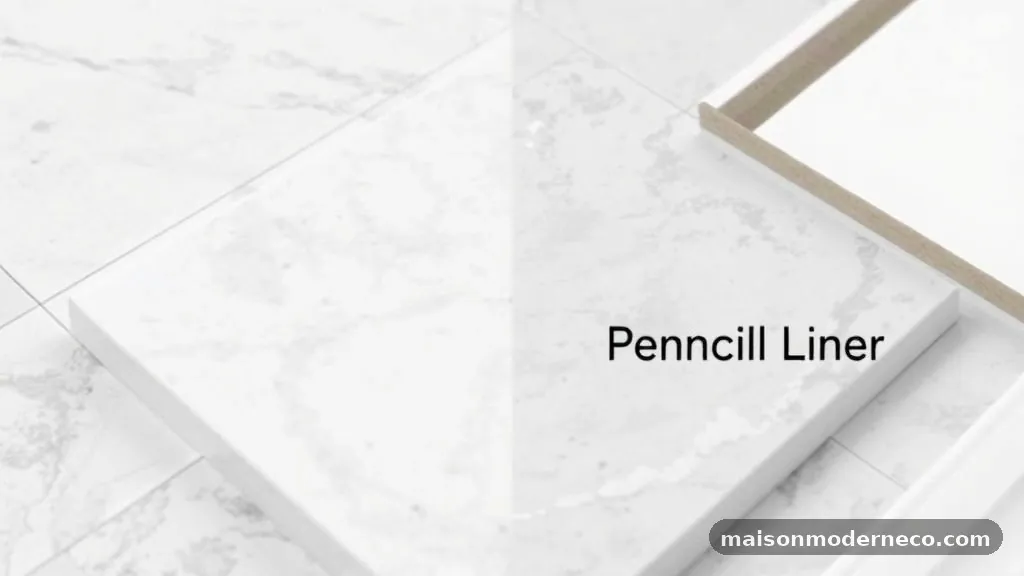
Modern interior design has moved toward cleaner lines and less visual clutter. This trend has heavily favored the use of metal profiles over traditional bullnose or decorative liners.
A thin, square-profile metal trim provides a “frame” for your tile that feels intentional and architectural. It separates the tile from the wall paint with a distinct, sharp line, which can make the tile work look more deliberate and high-end.
Bullnose tile, by contrast, can feel a bit dated depending on the shape and the tile style. It was the standard for decades, but it can sometimes make a space feel “builder-grade” if the bullnose doesn’t perfectly match the field tile in both color and sheen.
When the bullnose is just a slightly different shade of white than the subway tile it frames, it can cheapen the look of the entire installation. Always test a sample of the bullnose against the field tile in your specific lighting conditions before committing.
Pencil liners are seeing a resurgence, but they are now being used in more specific, curated ways. Instead of using them to frame every single edge, designers are using them as accents in specific areas, such as the perimeter of a niche or as a transition between two different types of tile.
They add a tactile quality that metal and ceramic cannot provide, especially when using materials like polished marble or iridescent glass. They are a great way to add “jewelry” to a room without overwhelming the design.
When to Choose Schluter Jolly Trim
You should choose a Schluter Jolly trim if you are working with a modern tile, such as a large-format porcelain or a crisp subway tile, and you want a clean, minimalist edge. It is the best choice for high-traffic areas where durability is a primary concern.
If you are building a shower niche, the Schluter system offers integrated waterproofing benefits that are hard to beat. The ability to choose from a wide range of colors and textures means you can find a profile that either disappears into your design or makes a bold, geometric statement.
Another reason to choose this option is if you are working with tile that is difficult to polish or cut. Some through-body porcelain tiles have a different color on the edge than on the face, which makes exposed edges look unfinished.
A metal profile completely hides this, giving you a professional finish without needing to spend hours on manual edge grinding. It is the most reliable way to ensure your DIY project looks like it was completed by a master tradesman.
Common mistakes to avoid when using this trim include failing to account for the thickness of the tile. Schluter profiles come in specific sizes, such as 1/4 inch, 3/8 inch, or 1/2 inch. You must measure the thickness of your tile (plus the thin-set) to ensure the profile sits flush.
If the profile is too shallow, the edge of the tile will stick out, leaving it vulnerable to chipping. If it is too deep, you will have an unsightly gap that requires excessive caulk to fill.
When to Choose Bullnose Tile
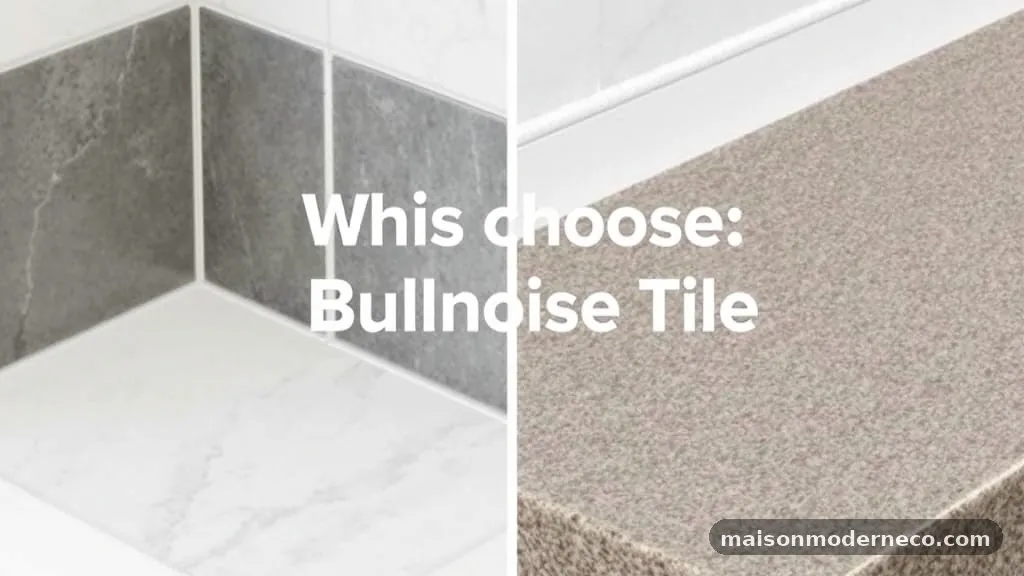
Bullnose tile remains the best option when you want a “soft” look or when you are working in a traditional, farmhouse, or rustic space where metal might look out of place. It is also the ideal choice if you want the edge to be completely invisible.
When the bullnose matches the field tile perfectly, the edge essentially disappears, creating a seamless transition that celebrates the material itself. This is often preferred in high-end stone installations where you want the natural beauty of the marble or travertine to be the only focus.
However, you must be careful about quality control. Not all bullnose tiles are created equal; some may have uneven glazes or slightly different dimensions than the field tiles.
Always open several boxes of both your field tile and your bullnose to ensure they came from the same production batch. If the colors don’t match, you will have a permanent, glaring mismatch that cannot be fixed without tearing everything out.
A common mistake with bullnose is poor planning regarding the transition to other materials, like drywall. If you are tiling a half-wall and the bullnose needs to meet the painted wall, make sure the thickness of the tile and the thin-set doesn’t create a massive “step” that looks awkward. You may need to use a transition strip or ensure your drywall backing is adjusted to compensate for the thickness of the tile installation.
When to Choose Pencil Liners
Pencil liners are your best friend when you need to add a decorative flair or when you are trying to hide a slightly uneven cut. They are excellent for framing a mosaic feature wall or creating a border that separates two different tile patterns.
Because they are narrow and rounded, they catch the light in a way that adds depth to a flat wall. If you are feeling creative, you can even use a contrasting color to turn the edge of your tile work into a visual feature.
These are also useful when you are working with natural stone tiles that might not have a matching bullnose available. You can select a stone pencil liner that complements the tones in your field tile, creating a custom border that looks intentional rather than like an afterthought. It allows you to mix materials effectively, provided you seal the stone properly to prevent water damage in a wet environment.
Avoid the mistake of using too many different materials in one space. If you have a busy mosaic, a patterned floor, and a bold pencil liner, your room will feel chaotic.
Use pencil liners to frame a focal point, not to outline every single edge in the bathroom. The goal is to enhance the space, not to overwhelm it with too many competing textures and lines.
Frequently Asked Questions About Edge Finishes
What is the main difference between Schluter trim and bullnose tile?
The primary difference is material and profile. Schluter trim is a metal or plastic profile that provides a structural, linear edge, while bullnose tile is a ceramic or stone piece with one rounded edge, designed to match the field tile. Schluter is generally more durable and easier to install for a clean, modern look, whereas bullnose is better suited for traditional designs where you want the edge to blend into the surrounding surface.
Can I use a pencil liner in a shower?
Yes, you can use a pencil liner in a shower, but you must be mindful of the material. Ceramic or glass pencil liners are generally fine with water exposure.
If you choose a natural stone pencil liner, you must ensure it is properly sealed and that you use a water-resistant adhesive. Avoid using metal pencil liners that are not rated for wet environments, as they may rust or degrade over time.
Which edge option is best for a tiled niche?
For a tiled niche, Schluter Jolly trim is often considered the best option. It provides a clean, square edge that protects the tile corners from impact and makes it easier to achieve a professional, waterproof finish.
It also eliminates the need for mitered corners, which are difficult to seal and prone to leaking in wet areas. If you prefer a softer look, you can use bullnose, but it requires much more precise cutting and planning.
What is the best way to handle corners with bullnose tile?
The best way to handle corners with bullnose is to use matching corner pieces if the manufacturer provides them. If they are not available, your best bet is to miter the edges of the bullnose tiles at a 45-degree angle.
This creates a continuous, professional-looking corner. If you are a beginner, this can be difficult, so you might consider using a small corner trim piece or accepting a simple butt joint if the tiles are small enough that the gap isn’t noticeable.
Do I need to prime or seal my edge trim before installation?
You generally do not need to prime a metal Schluter trim, but you should ensure the surface is clean and free of dust so the thin-set bonds properly. For natural stone pencil liners, it is highly recommended to seal them before installation to prevent staining from the thin-set or grout. Always check the manufacturer’s instructions for the specific material you are using, as some stone types are more porous than others and require specific care.
Final Thoughts on Choosing Your Edge Trim
Selecting the right finish for your tile edges is a defining moment in your home renovation. Whether you opt for the architectural precision of a Schluter Jolly trim, the classic charm of a bullnose tile, or the decorative elegance of a pencil liner, your choice will influence both the daily utility and the long-term aesthetic of your space. For further technical details on these systems, you can consult the official Schluter-Systems profile documentation to see which options fit your specific tile thickness and design requirements.
Take your time during the planning phase to ensure your choice aligns with your overall design vision and your skill level. If you are unsure about the final look, purchase a few samples of each and hold them against your tile in the room where they will be installed. This simple step often reveals the right direction immediately.
Your attention to detail at this stage ensures that your project remains a source of pride for years to come. Reach out to your local tile supplier or a professional installer if you have lingering questions about compatibility or availability for your specific tile collection.