
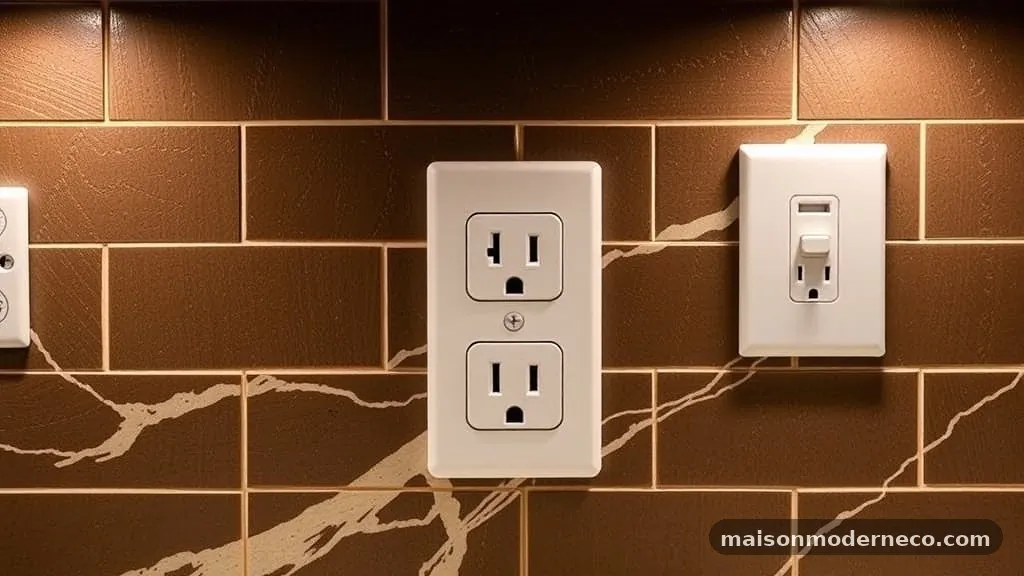
Should Kitchen Backsplash Outlets Be Mounted Horizontally or Vertically?
Deciding whether kitchen backsplash outlets should be mounted horizontally or vertically involves balancing aesthetic preferences with practical electrical installation requirements. Homeowners often struggle with this choice during a remodel because the orientation affects both the visual flow of the wall and the ease of plugging in appliances.
When you consider if kitchen backsplash outlets should be mounted horizontally or vertically, you must evaluate your specific tile pattern, the height of your backsplash, and the types of appliances you use daily. This article examines the functional and design implications of these two common mounting choices, helping you make an informed decision for a cleaner, more efficient kitchen design.
Evaluating the Aesthetic Impact of Outlet Orientation
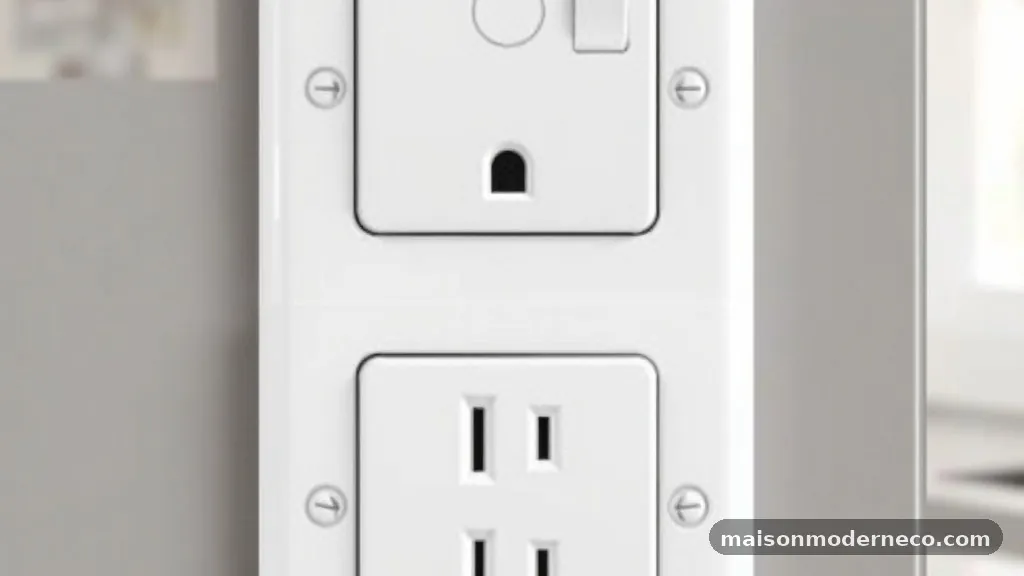
The visual impact of electrical hardware on a kitchen wall is often underestimated until the tile is already installed. When you place outlets horizontally, they tend to mimic the lines of standard subway tile patterns, which can make them feel like a natural extension of the wall’s geometry. This orientation often allows the outlet to sit more flush with the horizontal grout lines, potentially reducing the visual disruption caused by the hardware.
Conversely, vertical mounting creates a stark contrast against horizontal tile patterns. While this can look jarring to some, others prefer it because it breaks up the monotony of a long, repetitive backsplash.
If you have chosen a complex or intricate tile design, such as a herringbone pattern, the orientation of the outlet becomes even more critical. A vertical outlet can sometimes feel less intrusive in a busy, multi-directional pattern because it doesn’t try to compete with the dominant lines of the tile.
Designers often suggest that you “see” the wall as a canvas. If you want the backsplash to be the star, the hardware should be as unobtrusive as possible. A horizontal outlet often blends into the background of a standard kitchen backsplash better than a vertical one.
However, if your kitchen features a modern, industrial look, the bold lines of vertically installed outlets might actually complement the aesthetic. Always hold a sample outlet cover against your chosen tile before the electrician cuts the holes to see which look appeals to you most.
Functional Considerations for Daily Kitchen Tasks
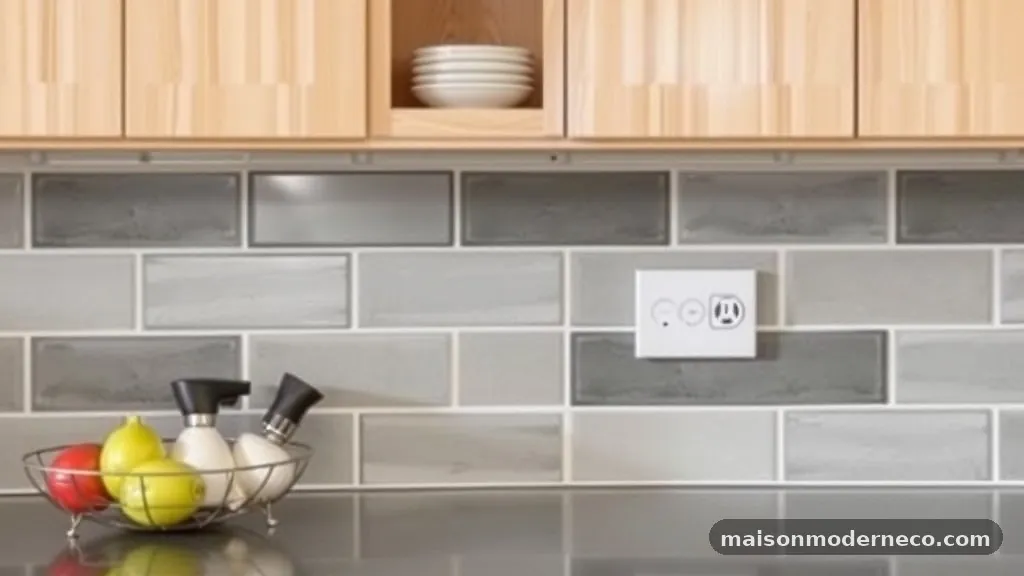
Beyond the visual appeal, the way you use your appliances should dictate the orientation of your power points. If you frequently use a heavy-duty mixer or a blender with a thick, stiff cord, the orientation can influence how much stress is placed on the plug. A horizontal mount is often preferred by those who want to keep cords running along the base of the backsplash, keeping the work surface clear of dangling wires.
Vertical outlets can sometimes result in cords that stick out further or create a “loop” that hangs down across the backsplash. If your backsplash is relatively short, a vertical outlet might force the plug to sit closer to the countertop, which is helpful for some appliances but annoying for others.
Think about the most common appliance you use near each outlet. If it is a coffee maker that stays in one spot, you can plan the orientation specifically for that cord’s length and flexibility.
Another factor is the number of plugs you plan to use at once. Some modern devices use bulky power bricks that hog space. If you install your outlets horizontally, you might find that you can fit two bulky plugs side-by-side more easily than if they were stacked vertically.
This is a common mistake: people often install outlets without considering the physical dimensions of the power adapters they use most frequently. Check the size of your most common chargers before finalizing your plan.
The Role of Tile Patterns in Installation
The type of tile you select plays a massive role in how these outlets appear once installed. Subway tile is the most common material for a kitchen backsplash, and its rectangular shape creates strong horizontal lines. When you install an outlet horizontally, the plate often aligns with one or two rows of tile, which looks intentional and clean.
If you choose a larger format tile or a natural stone slab, the grout lines are minimized. In this scenario, the orientation of the outlet matters less for alignment and more for the balance of the wall. With a continuous stone backsplash, a vertical outlet can look like a singular architectural element, whereas a horizontal outlet might look like a wide, flat rectangle that interrupts the beauty of the stone.
For those who love herringbone or chevron patterns, the decision becomes a bit more complex. Because these patterns have diagonal movement, neither horizontal nor vertical outlets will perfectly align with the tile lines. In these cases, the best approach is to choose the orientation that feels most balanced to your eye.
Many designers prefer vertical outlets in herringbone patterns because they act as a “break” in the movement, grounding the wall visually. Always consult with your tile installer to see if they have a preference for where they prefer to make their cuts, as some patterns are physically easier to cut around when the outlet is oriented one way versus the other.
Electrical Code and Safety Requirements
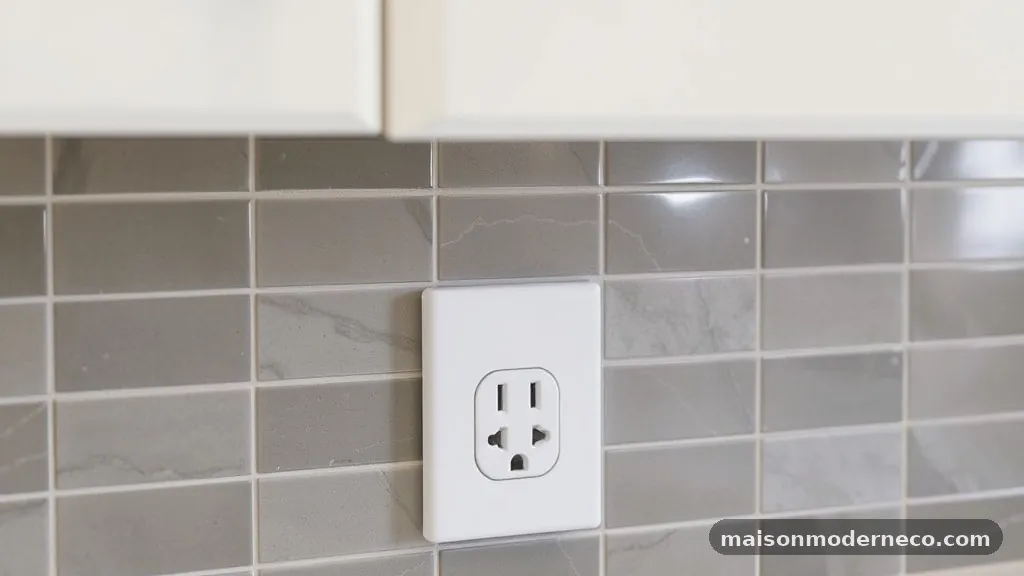
Regardless of whether you choose a horizontal or vertical orientation, you must adhere to the local electrical codes. The National Electrical Code (NEC) sets specific requirements for the spacing and placement of kitchen receptacles to ensure safety and accessibility. These rules dictate how far apart outlets must be, regardless of their orientation.
One common mistake is placing outlets too close to a sink. Even if you want a horizontal outlet for design reasons, you cannot place it in a location that violates safety clearance distances from water sources.
Always verify your plan with a licensed electrician before cutting into your wall. They will ensure that your chosen orientation doesn’t interfere with the internal wiring paths or the back-box installation.
Furthermore, consider the use of GFCI (Ground Fault Circuit Interrupter) outlets. These are mandatory in kitchens and are often bulkier than standard outlets. A GFCI outlet has test and reset buttons that need to be accessible.
If you mount them horizontally, ensure that the buttons remain easy to reach and that the orientation doesn’t make it difficult to perform the monthly testing required by safety guidelines. Safety should always take precedence over the aesthetic debate of horizontal versus vertical.
Impact on Backsplash Height and Wall Space
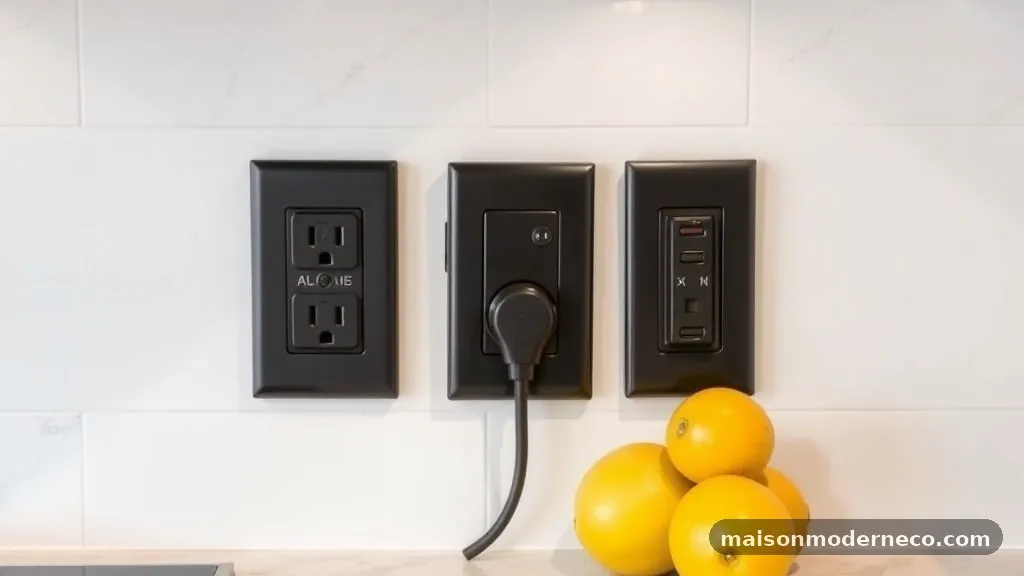
The height of your backsplash relative to your upper cabinets is a major factor in your decision. If you have a low backsplash, you have less vertical room to play with.
A vertical outlet might take up a significant portion of that height, making the wall feel crowded. In a tight space, horizontal outlets often look more proportional and less dominating.
If you have a high backsplash, you have more freedom. You might choose to place outlets higher up to keep them away from potential spills on the counter, or you might prefer them lower to keep them hidden behind appliances.
The orientation can help you “hide” the outlet in plain sight. For example, if you have a dark tile backsplash, a horizontal outlet in a matching color can almost disappear against the wall, whereas a vertical one might be more prominent.
Also, think about the “end” of your backsplash run. If your outlet is near the end of a wall or a corner, a vertical orientation can sometimes look cramped against the trim or the corner transition. A horizontal orientation might offer a more graceful way to terminate the electrical run, allowing the outlet to sit comfortably within the tile field rather than bumping up against the edge of the backsplash.
Planning for Future Appliance Upgrades
Kitchen trends change, and the appliances you use today might be replaced by different models in a few years. When you plan your electrical layout, think about the long-term utility of the wall. A horizontal outlet is generally more versatile for a variety of plug types, especially those with cords that exit the plug at a 90-degree angle.
If you have a specific setup in mind, such as an island with a pop-up outlet or a charging station for tablets, the orientation should be planned around that specific use. A vertical outlet on an island side panel might be necessary due to the limited width of the cabinetry, whereas a horizontal outlet might be impossible to fit. Always account for the structural limitations of the wall or cabinet where the outlet is being installed.
Don’t just think about what you have now. Consider the possibility of future appliances that might have different cord lengths or shapes.
Designing for flexibility is one of the hallmarks of a well-planned kitchen. If you are unsure, talk to your designer about “universal” placement strategies that work well for both horizontal and vertical configurations, such as placing outlets at a consistent height throughout the entire kitchen perimeter.
Common Mistakes to Avoid During Installation
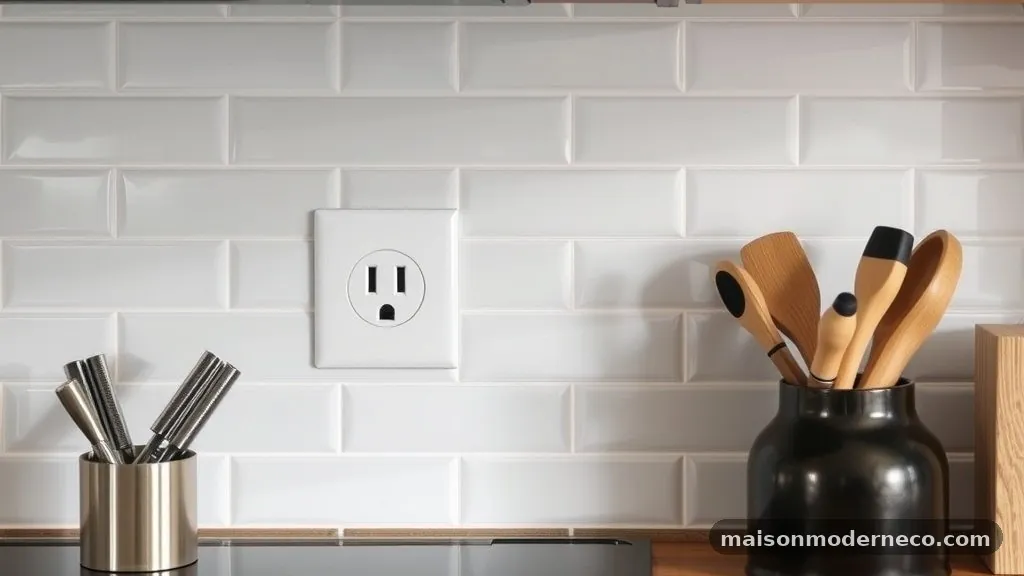
The most frequent mistake is failing to account for the thickness of the tile and the depth of the electrical box. If you choose a thick tile, like a handmade ceramic or a stone mosaic, the outlet box must be extended so that the outlet sits flush with the tile surface. If the box is too deep, the outlet will look recessed, which is unattractive regardless of whether it is horizontal or vertical.
Another mistake is ignoring the placement of switches. If you have light switches on the same wall, you should try to maintain a consistent orientation.
If your light switches are vertical, installing your outlets horizontally can look disjointed. Many homeowners find that keeping all electrical hardware aligned in the same orientation—usually vertical for switches and outlets—creates a sense of order and intentionality in the room.
Finally, avoid placing outlets in the middle of a beautiful accent tile or a feature piece of stone if you can help it. Plan your layout so that the outlets fall into the “grout-heavy” areas or near the edges where they are less likely to ruin the visual impact of your chosen materials. A little extra time spent planning the exact location of each outlet will pay off in the long run.
Integrating Outlets into Modern Kitchen Designs
In a modern kitchen, simplicity is key. Many designers now opt for “plug strips” that are mounted horizontally under the upper cabinets.
This effectively removes the need for outlets on the backsplash entirely, solving the horizontal versus vertical dilemma by eliminating it. This is a popular choice for those who want a completely clean wall of tile.
If you must have outlets on the wall, consider using low-profile, color-matched covers. These can make a huge difference in the overall look.
A vertical outlet with a cover that perfectly matches the color of your subway tile will be much less noticeable than a standard white plastic cover. The goal is to make the electrical components feel like a deliberate part of the design, not an afterthought.
If you choose to use horizontal outlets, look for “decorator-style” outlets that offer a sleeker faceplate. These have a more modern look than the old-school duplex outlets with the screw in the middle.
They are cleaner, easier to clean, and generally look better in a contemporary kitchen. Whether you go with horizontal or vertical, the quality of the hardware itself is just as important as the direction it faces.
Professional Tips for a Polished Look
When you are ready to install, consider the “look” of the entire kitchen. Professional kitchen designers often use a grid system to map out where every outlet and switch will go.
They look at the spacing between outlets and ensure that they are aligned both horizontally and vertically across the entire room. This attention to detail is what separates a DIY project from a professional installation.
If you are working with a contractor, ask them to show you a layout plan before they start cutting. If you see that they are planning to put a vertical outlet in the middle of a horizontal tile run, you can ask them to switch it to horizontal to better match the tiles. Don’t be afraid to speak up; it is your kitchen, and you will be looking at these outlets every day.
Remember to consider the color of the outlet and the plate. Using a white outlet on a dark gray backsplash will make it pop, which might be exactly what you don’t want.
Use a color-matched outlet and plate to help it blend in. This makes the orientation much less of an issue because the hardware is not drawing the eye.
Frequently Asked Questions
Does the orientation of the outlet affect the electrical capacity?
No, the orientation of an outlet has absolutely no impact on its electrical capacity. A standard 15-amp or 20-amp outlet will perform identically whether it is mounted horizontally or vertically. The choice is purely aesthetic and functional regarding cord management.
Which orientation is better for a subway tile backsplash?
Horizontal mounting is generally preferred for subway tile because it allows the outlet to align with the horizontal grout lines, creating a more seamless look. However, vertical mounting can be a design choice if you want to break up the pattern or create a specific visual focal point.
Can I mix horizontal and vertical outlets in the same kitchen?
While you can technically do this, it is usually best to keep all outlets consistent throughout the room for a cohesive look. Mixing them can make the kitchen feel disorganized and cluttered. If you have specific areas that require one or the other, try to keep the same style of outlet covers across the entire backsplash.
Are there specific tools needed to install outlets in a certain direction?
The tools required for installation remain the same regardless of the orientation. However, you must ensure that your electrical boxes are positioned correctly to accept the mounting screws for the orientation you choose. Most standard electrical boxes are designed to accommodate both configurations, but it is worth checking before you close up the wall.
How do I make outlets less visible on my backsplash?
To make your outlets less visible, use color-matched outlets and plates that closely resemble your tile. Additionally, opt for low-profile decorator-style plates rather than traditional bulky ones. If possible, consider under-cabinet power strips to remove the outlets from the backsplash wall entirely.
Final Thoughts on Outlet Orientation
Choosing whether kitchen backsplash outlets should be mounted horizontally or vertically is a detail that significantly influences the final look of your renovation. By considering your tile pattern, your most frequently used appliances, and the overall design language of your home, you can make a choice that enhances both the beauty and the utility of your space. Remember that consistency is often the key to a polished, professional finish, so aim for a unified approach across your entire kitchen.
Whether you lean toward the clean lines of a horizontal install or the intentional break provided by a vertical one, the most important step is planning your layout in advance. Take the time to visualize these elements before the tile goes up, and you’ll be rewarded with a functional, well-designed kitchen that feels perfectly tailored to your needs. If you have further questions or want to share your project’s progress, feel free to reach out and join the conversation.