
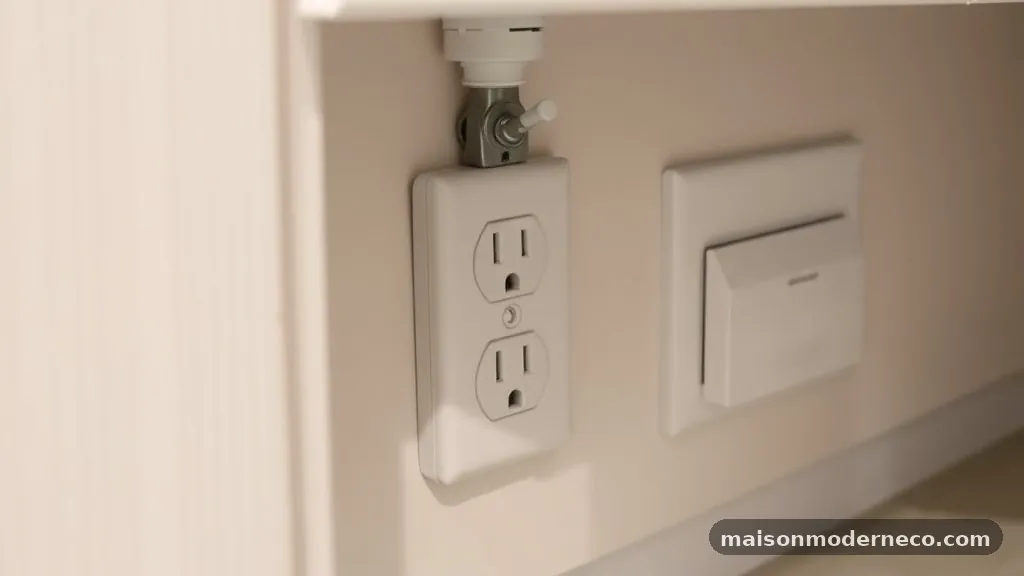
Can You Move an Outlet Lower to Hide It Under Upper Kitchen Cabinets?
Deciding whether you can move an outlet lower to hide it under upper kitchen cabinets is a common question during home renovations. Relocating these fixtures can significantly clean up your backsplash, but it requires careful adherence to local building regulations and electrical safety standards.
By understanding the technical requirements for wire fishing, receptacle mounting, and code compliance, you can successfully achieve a sleek, minimalist look without compromising your kitchen’s functionality or safety. This guide explores the essential steps and considerations for managing your electrical layout, ensuring you have the knowledge necessary to execute a compliant and efficient relocation project while avoiding common installation pitfalls.
Understanding Electrical Code Requirements
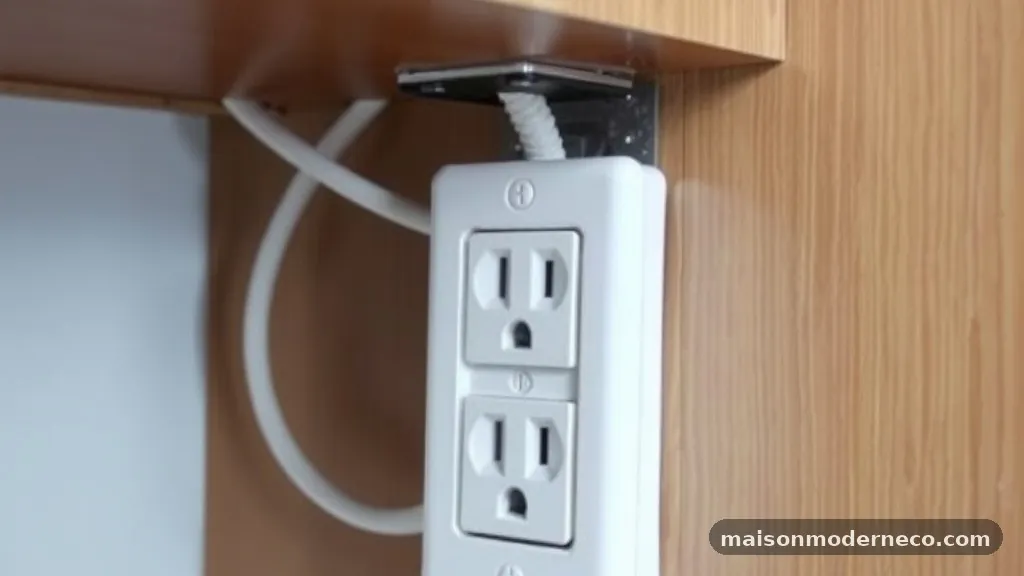
Before you cut into your drywall, you must understand the National Electrical Code (NEC). Electrical safety standards are not merely suggestions; they are legal requirements designed to prevent fires and shocks.
The NEC mandates that kitchen countertop receptacles must be spaced at specific intervals to ensure that appliances don’t require long, dangerous cords stretching across the sink or stove. When you move an outlet lower, you are essentially changing the geometry of your electrical circuit.
Most jurisdictions require a permit for significant electrical work, including outlet relocation. An electrical inspector will eventually need to verify that your new setup adheres to current safety codes, particularly regarding GFCI protection.
If you move an outlet, the new location must still provide Ground Fault Circuit Interrupter protection if it is within a certain distance of the kitchen sink. Never assume that your existing wiring is sufficient; always verify the circuit load to ensure you aren’t overloading a line that currently serves other heavy appliances.
Assessing Your Wall Cavity and Stud Placement
To move an outlet lower, you first need to know what lies behind the wall. Most kitchens have studs spaced 16 inches on center, and you will likely encounter fire blocking or insulation that makes moving wires difficult.
Use a stud finder to map out the framing members before you begin any demolition. If a stud is exactly where you want your new outlet, you will need to rethink your plan or use a surface-mount solution.
The wall cavity itself serves as the route for your existing Romex wiring. If the wire is stapled tightly to the studs, you might not have enough slack to move the box down without splicing in additional wire.
Remember that you cannot bury a wire splice inside a wall; all connections must be accessible within a junction box. This often means you may need to leave the old box in place as a junction point, covering it with a blank plate, or pulling entirely new wire from the source.
Planning the New Outlet Location
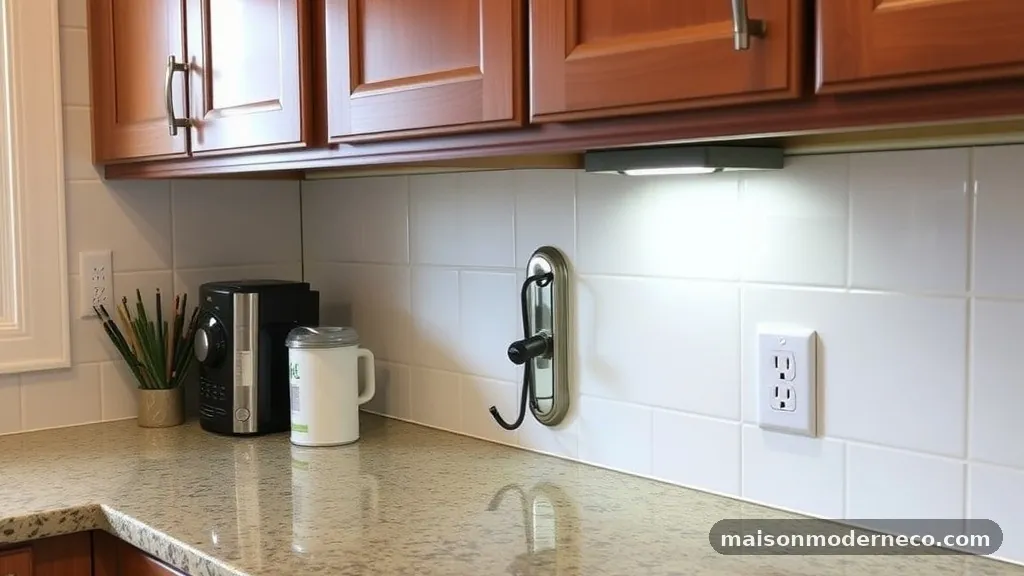
Choosing the exact spot for your new receptacle requires balancing aesthetics with utility. Many homeowners want to hide outlets under the cabinet overhang to keep the backsplash clear, but you must ensure the plug remains accessible. If you place it too far back, a bulky plug might prevent your cabinet doors from closing or force you to leave the wires exposed.
Consider the depth of your cabinets and the thickness of your backsplash installation. If you are adding tile, the thickness of the mortar and the tile itself will push the final surface out, meaning your electrical box must be shimmed or adjusted to remain flush with the finished wall.
A common mistake is failing to account for the thickness of the finished surface, which results in a recessed outlet that is difficult to plug into. Always measure twice and account for the final wall finish before securing your new box.
Managing Wire Fishing and Cable Routing
Fishing wire through an existing wall is often the most frustrating part of an electrical remodel. You have to navigate around obstacles while ensuring you don’t damage the existing cable insulation.
If you are lucky, the wire will be loose in the wall cavity, allowing you to pull it downward with a fish tape. However, if the cable is secured with cable staples to the studs, you will likely need to open additional sections of the wall to release the wire.
When routing new cable, ensure you are using the correct wire gauge for the circuit. Most kitchen countertop circuits are 20-amp, requiring 12-gauge wire. If you accidentally use 14-gauge wire, you create a significant fire hazard by exceeding the capacity of the conductor.
Always verify your breaker size before buying wire. If you find the process of fishing wire through a finished wall too complex, consider hiring a licensed electrician to ensure the work is done safely and follows all local regulations.
Installing the New Receptacle Box
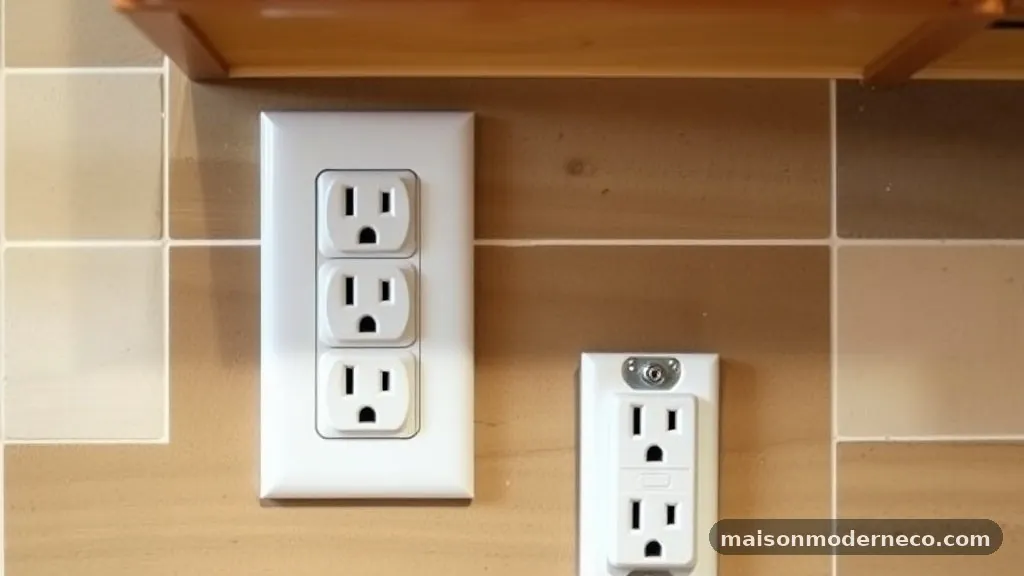
Once the wire is in place, you need to install a new receptacle box. For a retrofit, an “old-work” or “cut-in” box is your best friend.
These boxes use metal or plastic wings that grip the back of the drywall, pulling the box tight against the wall surface without needing a stud for support. Ensure you cut the hole precisely; if the hole is too large, the box won’t have enough surface area to grip, leading to a loose outlet that wiggles whenever you unplug an appliance.
If you are moving the outlet to a position directly under a cabinet, you might find that a standard plastic box is too deep. In these instances, a shallow-depth box or a surface-mount box might be necessary. However, ensure that the box is still rated for the correct volume of wires.
Overcrowding a box with too many conductors is a violation of electrical safety standards and can lead to overheating. Always check the cubic inch capacity marked inside the box before proceeding.
Utilizing Low-Profile Outlets and Plugmold
If you find that moving the box into the wall is too difficult due to framing, consider a low-profile outlet or a plugmold system. A plugmold is essentially a multi-outlet power strip that mounts directly under the upper cabinet.
This removes the need to cut into the backsplash entirely, providing a clean, professional look that is very popular in modern kitchen designs. You can find more information on standard practices at the National Fire Protection Association website regarding electrical code guidelines.
Surface-mount solutions like plugmold are often easier to install because they don’t require extensive wall surgery. You simply run the power from the existing outlet location to the new strip. However, keep in mind that these strips must be properly grounded and protected by a GFCI breaker if they serve the countertop area.
A common mistake here is using a standard power strip meant for furniture, which is not rated for permanent kitchen installation. Always use products specifically designed for under-cabinet electrical distribution.
Common Mistakes to Avoid During Installation
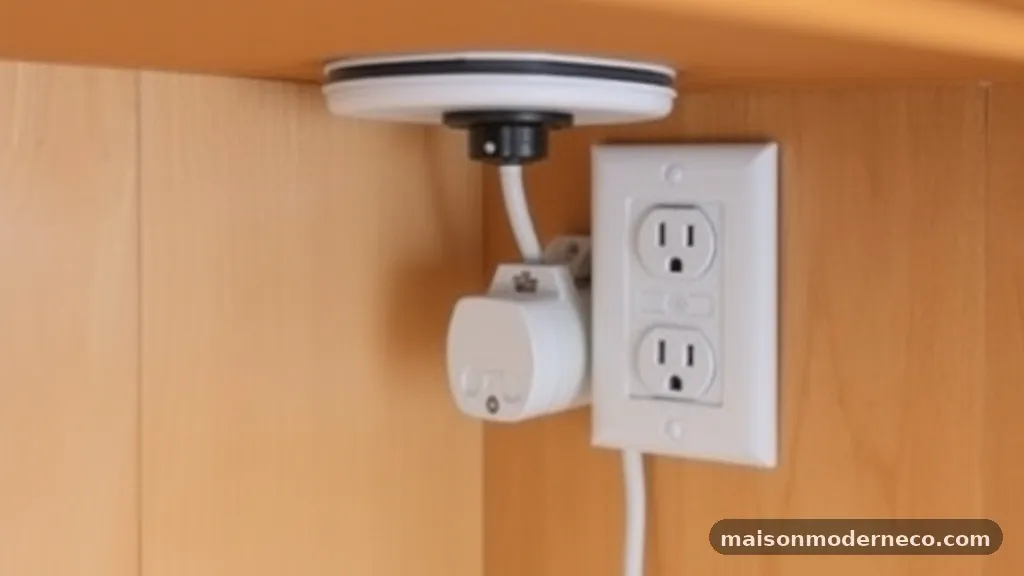
One of the biggest errors during an outlet relocation is failing to secure the wire properly. Even if the wire is inside the wall, it should be protected from sharp metal edges on the box or studs.
Use cable connectors where the Romex enters the box to prevent the wire from being pulled out or chafed. If you don’t use these connectors, the wire insulation can eventually wear away, leading to a dangerous short circuit.
Another frequent oversight is the improper use of wire nuts or push-in connectors. Ensure every connection is tight and that no bare copper is exposed outside the wire nut.
If you are using a metal box, the box itself must be grounded to the circuit’s grounding conductor. Failing to ground a metal box is a major safety violation that can leave the entire housing of the outlet energized if a wire comes loose inside.
Testing and Final Inspection
After you have finished the wiring and installed the faceplate, you must test the circuit. Use a simple GFCI outlet tester to verify that the hot, neutral, and ground wires are all connected correctly. These testers are inexpensive and offer a quick way to confirm that you haven’t swapped the hot and neutral wires, which is a common error that can damage sensitive appliances.
If the outlet is a GFCI, perform the self-test using the “test” and “reset” buttons on the device. This ensures the internal mechanism is functioning correctly and will trip in the event of a ground fault.
If you have any doubts about the installation, do not hesitate to contact a professional. An electrical inspector can provide peace of mind, and in many places, it is a requirement to have the work signed off if you have pulled a formal permit for the project.
Managing Drywall Repair and Finishing
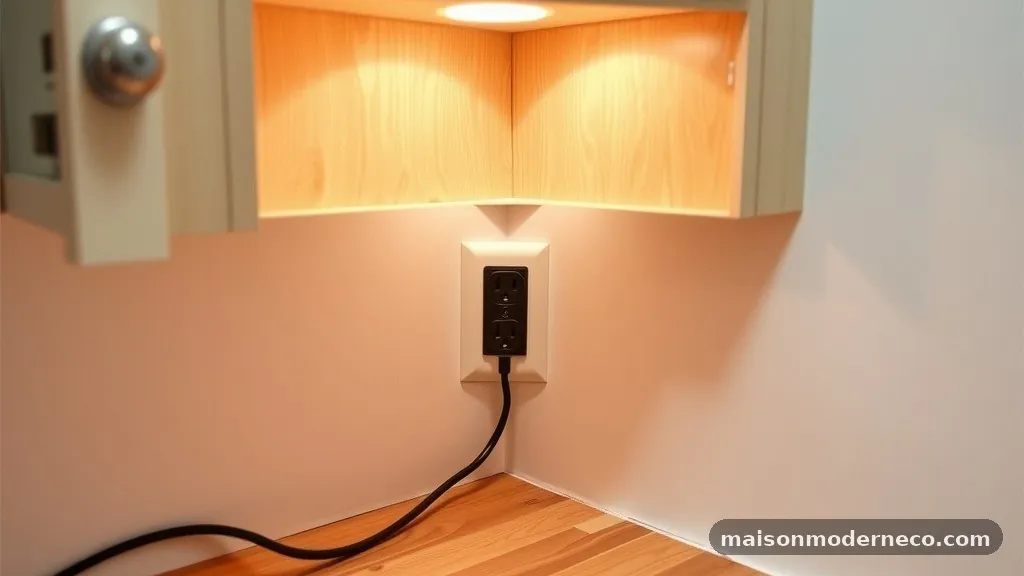
Moving an outlet often leaves behind a hole where the old box used to be. You will need to patch this area before you can finish your wall.
Use a “California patch” or a piece of backing wood to secure the new drywall plug in place. Once the patch is installed, use joint compound to smooth the surface, sand it, and match the texture of your wall.
If you have a tile backsplash, this is the most difficult part of the process. If you can’t match the existing tile, consider using a decorative plate or a piece of trim to cover the old opening. Planning for the patch before you start the project is essential; if you don’t have extra tile or paint, you might end up with an unsightly scar on your wall that is difficult to fix without re-tiling the entire area.
Frequently Asked Questions
Is it difficult to move an outlet downward?
Moving an outlet is a moderate DIY project that depends heavily on what is inside your walls. If you have an open wall cavity and enough slack in the existing wiring, it is straightforward. If you have fire blocking or tight cable staples, it becomes significantly more complex and may require opening up more of the wall.
Can I use an outlet box extender to hide my mistake?
An outlet box extender is designed to bring a box flush with the wall surface if the box was set too deep. It is not designed to move the location of the outlet. If your box is currently in the wrong place, you need to relocate the actual electrical box, not just extend it out from the wall.
What is the best way to hide outlets under cabinets?
Many people use plugmold or under-cabinet strips to achieve a clean look. These systems mount to the underside of the cabinet, keeping the backsplash clear. They must be installed by a professional or someone well-versed in electrical code to ensure they are properly grounded and GFCI protected.
Do I need a permit to move a kitchen outlet?
Yes, most local building departments require an electrical permit for moving or adding outlets in a kitchen. Kitchens are considered high-risk areas due to the proximity of water and the high power consumption of appliances. An inspection ensures your work complies with the NEC and keeps your home safe.
What if my wire isn’t long enough to reach the new spot?
You cannot stretch the wire. If the wire is too short, you must add a junction box to extend the circuit. This box must remain permanently accessible, meaning you cannot bury it behind drywall. If you cannot place a junction box, you must pull a completely new run of wire from the source.
Closing Considerations
Deciding if you can move an outlet lower to hide it under upper kitchen cabinets is a process of balancing aesthetics with strict safety requirements. While the result of a clear, minimalist backsplash is highly desirable for any kitchen remodel, the path to getting there involves careful planning, adherence to the National Electrical Code, and precise execution. Whether you choose to relocate the box into the wall or opt for a surface-mount plugmold system, your priority must always be the integrity of your electrical system.
By following the steps outlined, ensuring your connections are secure, and verifying everything with a local inspector, you can achieve the look you want while maintaining a safe home environment. Feel free to reach out if you have specific questions about your home’s unique layout.