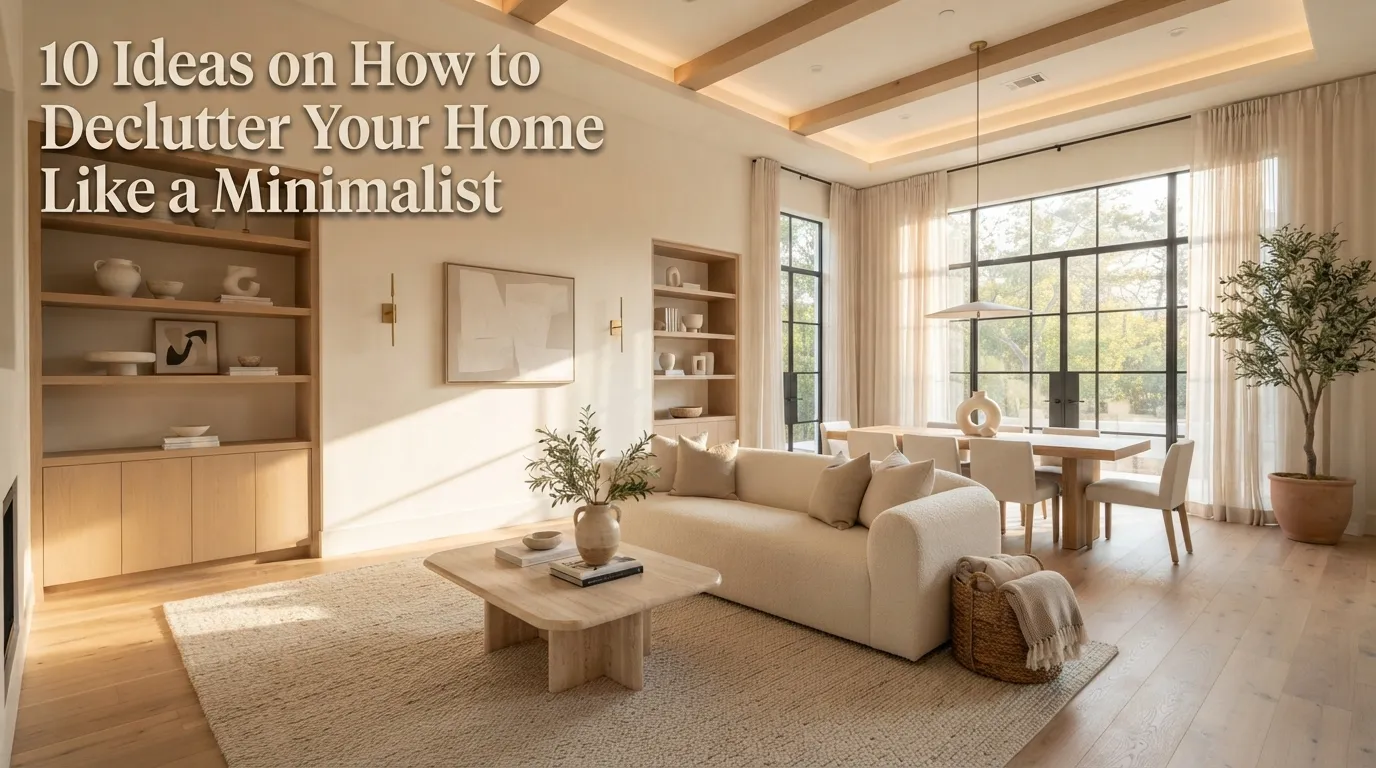
10 Ideas on How to Declutter Your Home Like a Minimalist
A clutter-free home isn’t about owning as little as possible—it’s about keeping the things that truly add value to your daily life. Minimalist decluttering focuses on creating calm, organized spaces that are easier to clean, maintain, and enjoy. By removing unnecessary items and organizing what remains, you can make your home feel more spacious, functional, and peaceful without sacrificing comfort or personality.
In my experience, successful decluttering happens gradually rather than all at once. Tackling one room, drawer, or closet at a time makes the process more manageable and helps you build lasting habits. Small improvements completed consistently often create bigger long-term results than attempting an entire home makeover in a single weekend.
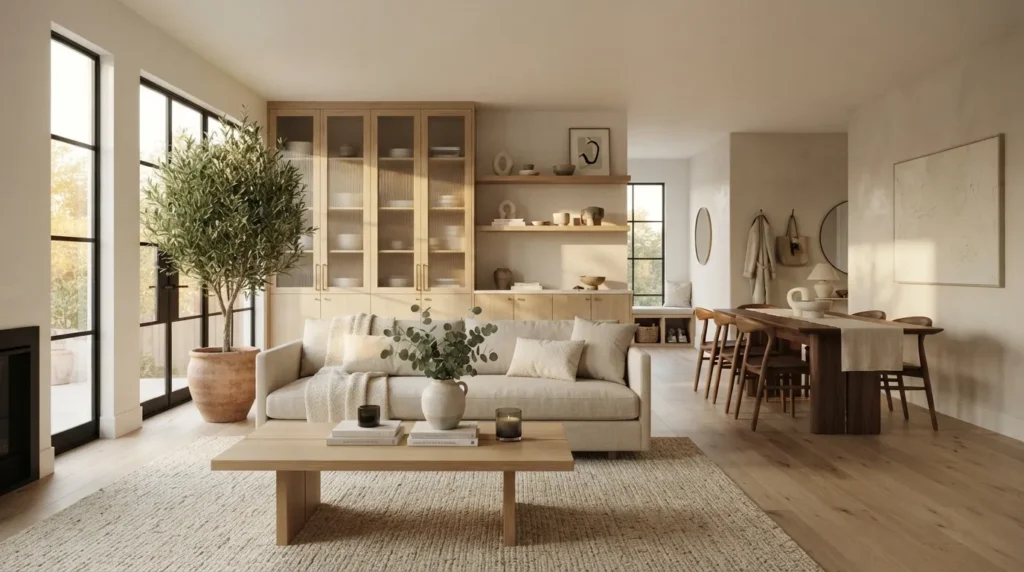
I’ve noticed Pinterest users consistently save minimalist homes featuring clear countertops, organized closets, woven storage baskets, labeled containers, neutral color palettes, hidden storage furniture, open shelving, tidy entryways, capsule wardrobes, and simple decorative styling. These ideas remain popular because they create homes that feel calm, beautiful, and easy to maintain.
Whether you’re starting your first decluttering project or looking to simplify your daily routine, these minimalist-inspired ideas will help you create a home that feels lighter, more organized, and easier to live in.
Table of Contents
- Declutter One Room at a Time
- Follow the One-Year Rule
- Clear Flat Surfaces First
- Use Matching Storage Baskets
- Organize by Category
- Create Daily Decluttering Habits
- Keep Only Meaningful Décor
- Maximize Hidden Storage
- Build a Capsule Wardrobe
- Maintain a Simple Reset Routine
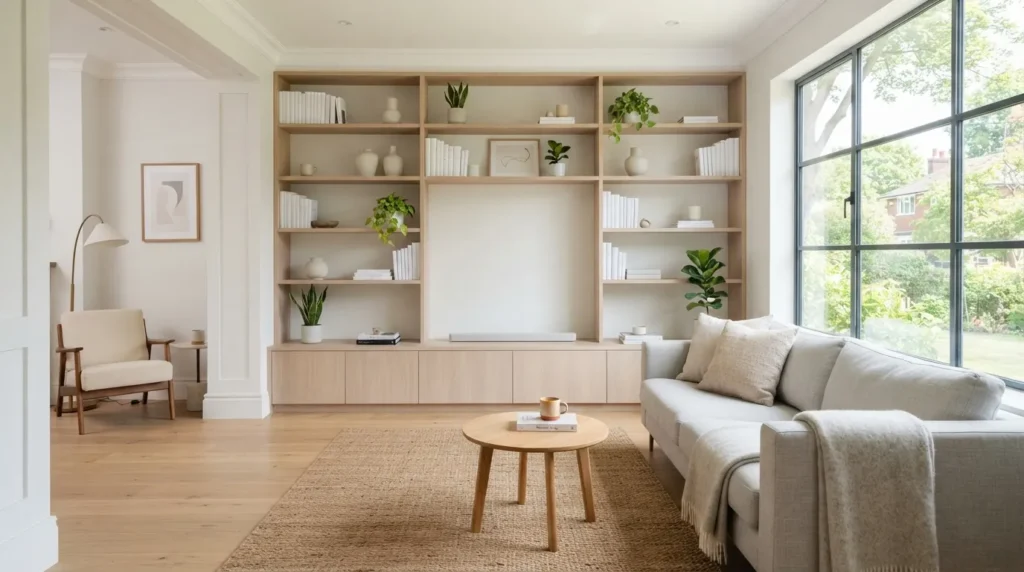
1. Declutter One Room at a Time
Quick Benefits
- Less overwhelming
- Faster progress
- Easier decision-making
- Better organization
- Sustainable habit
Why It Works
Breaking decluttering into smaller projects helps you stay motivated and finish each space completely.
How To Style It
Begin with the smallest room or a single drawer, then celebrate each completed area before moving to the next.
2. Follow the One-Year Rule

Quick Benefits
- Simplifies decisions
- Frees valuable space
- Reduces excess
- Encourages mindful ownership
- Easy guideline
Why It Works
Items that haven’t been used in over a year often no longer serve a practical purpose.
How To Style It
Sort belongings into keep, donate, recycle, and discard piles while being honest about what you actually use.
3. Clear Flat Surfaces First
Quick Benefits
- Instant visual improvement
- Easier cleaning
- Less visual clutter
- Spacious appearance
- Quick results
Why It Works
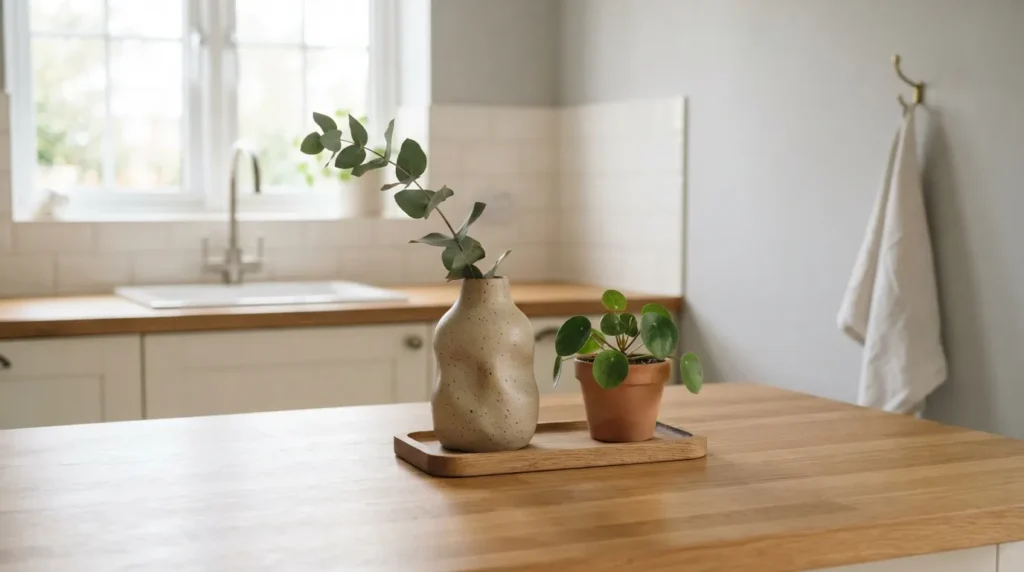
Clear countertops, tables, and shelves immediately make an entire room feel larger and more organized.
How To Style It
Keep only a lamp, tray, plant, or one decorative object on visible surfaces.
4. Use Matching Storage Baskets
Quick Benefits
- Organized appearance
- Hidden storage
- Easy access
- Decorative solution
- Flexible organization
Why It Works
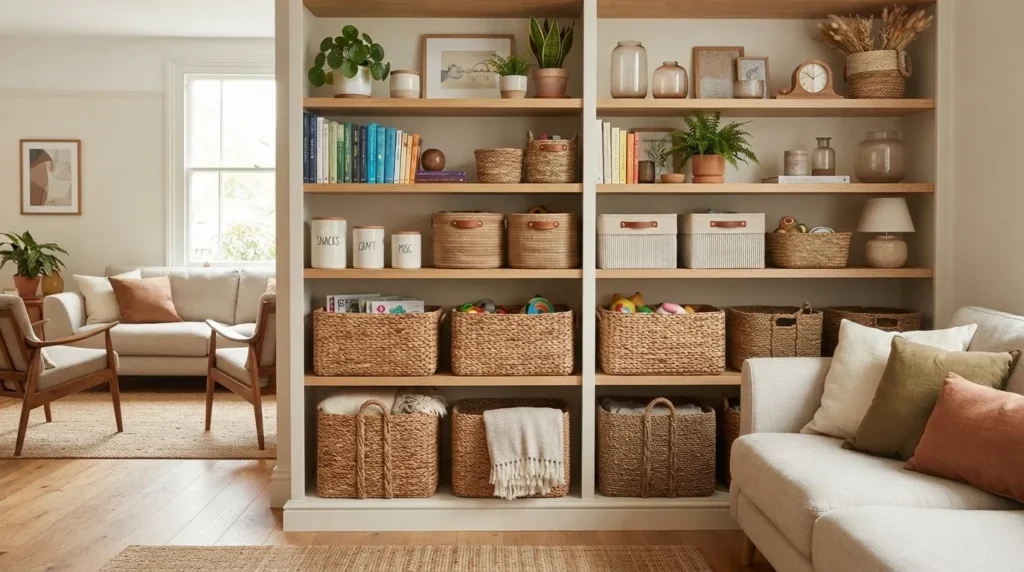
Matching storage containers create visual consistency while hiding everyday items.
How To Style It
Choose woven baskets, fabric bins, or clear labeled containers that complement your home’s décor.
5. Organize by Category
Quick Benefits
- Better visibility
- Easier maintenance
- Reduces duplicates
- Faster retrieval
- Efficient storage
Why It Works
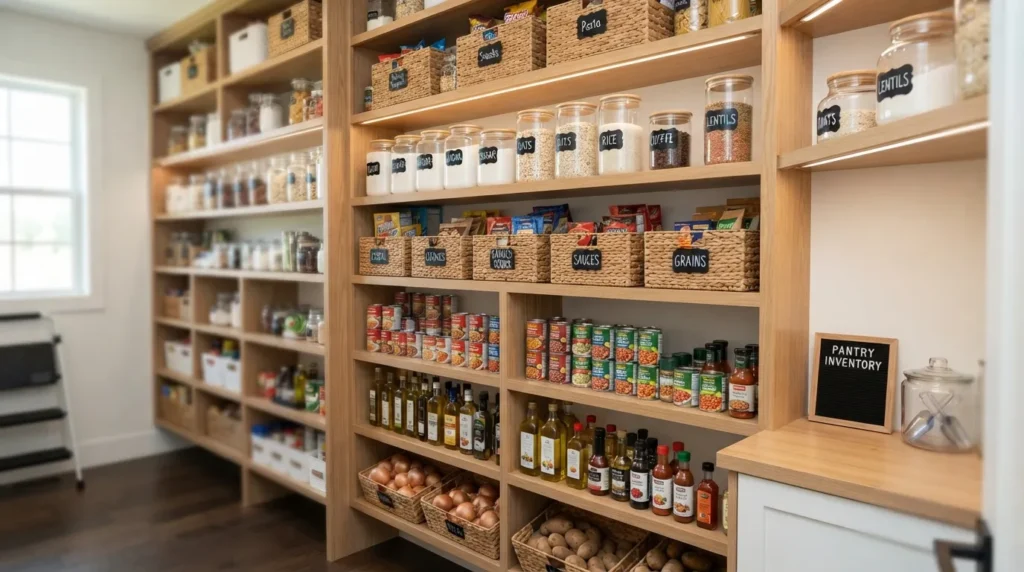
Grouping similar items together prevents clutter from spreading throughout the house.
How To Style It
Store books, electronics, office supplies, seasonal décor, and linens in dedicated locations.
6. Create Daily Decluttering Habits
Quick Benefits
- Prevents mess
- Saves time
- Builds consistency
- Reduces stress
- Easy routine
Why It Works
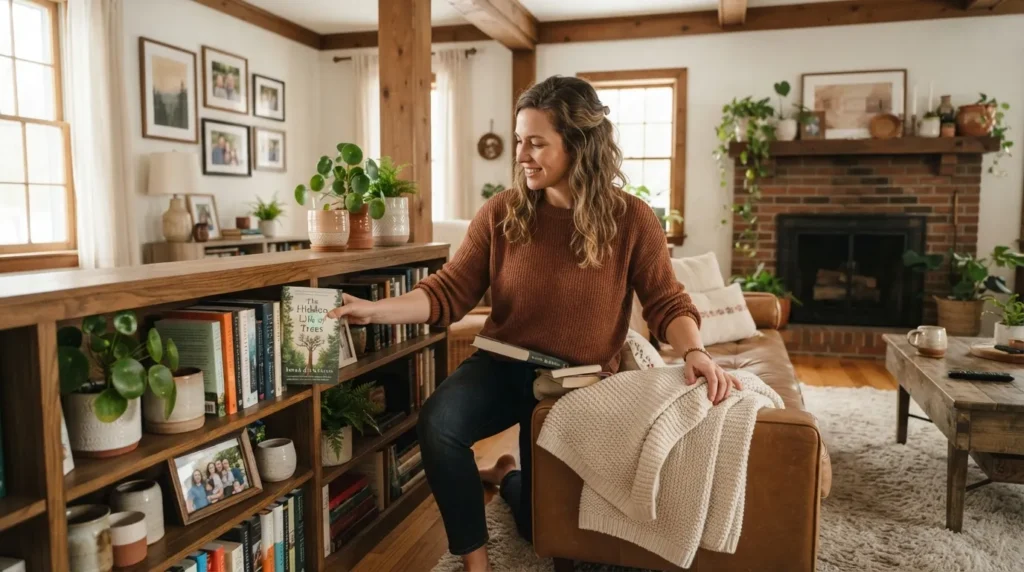
Small daily habits keep clutter from returning after a major organizing session.
How To Style It
Spend 10 to 15 minutes each evening returning items to their proper places before bedtime.
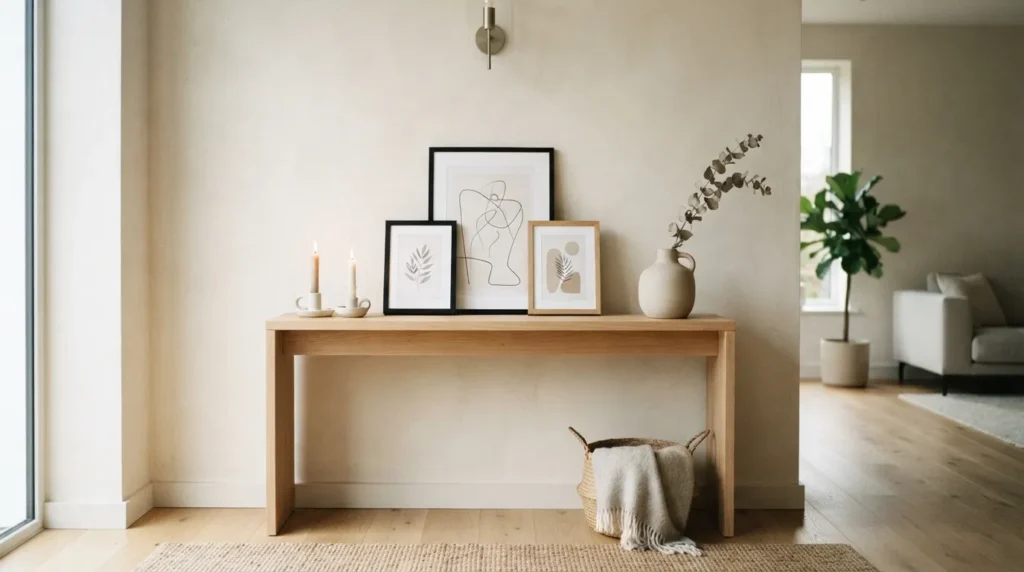
7. Keep Only Meaningful Décor
Quick Benefits
- Personalized home
- Less visual clutter
- Timeless styling
- Easier cleaning
- Calmer atmosphere
Why It Works
Displaying fewer decorative pieces allows each item to have greater visual impact.
How To Style It
Choose artwork, ceramics, books, candles, and family keepsakes that genuinely bring you joy.
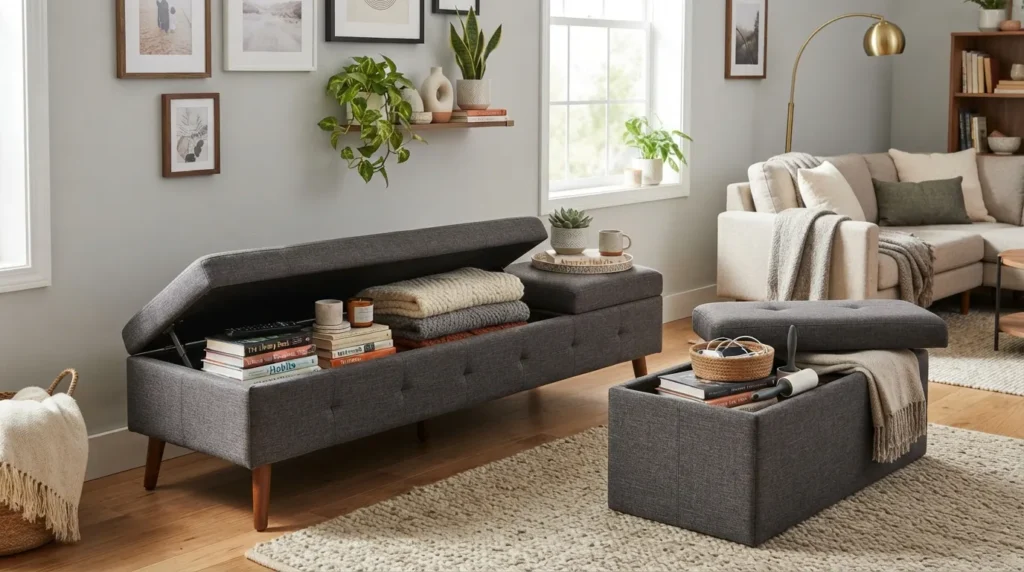
8. Maximize Hidden Storage
Quick Benefits
- Cleaner appearance
- More usable space
- Better organization
- Functional furniture
- Reduced clutter
Why It Works
Hidden storage keeps everyday necessities accessible without making rooms feel crowded.
How To Style It
Use storage ottomans, beds with drawers, entryway benches, and cabinets with baskets.
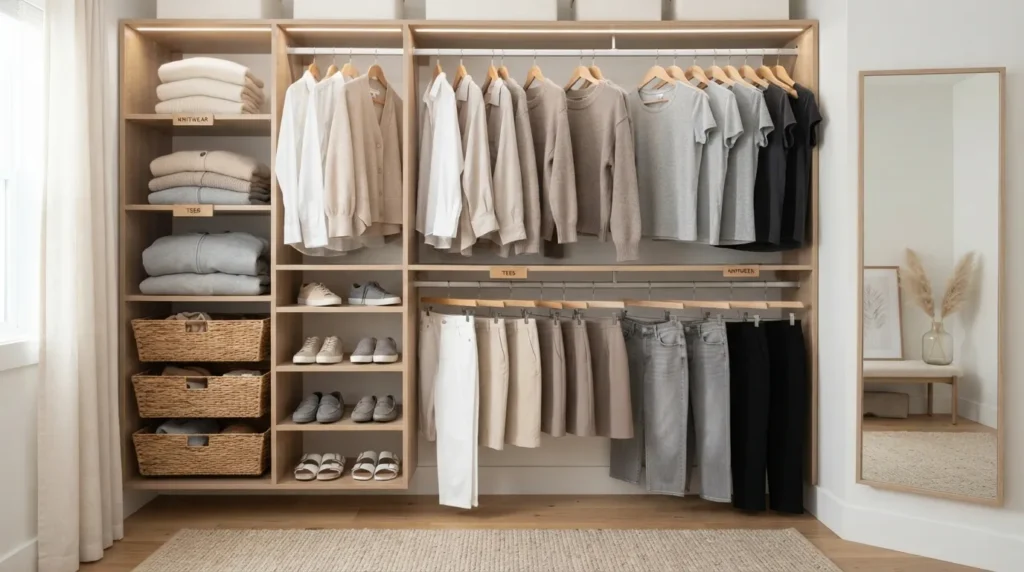
9. Build a Capsule Wardrobe
Quick Benefits
- Easier mornings
- Less clothing clutter
- Timeless style
- Saves money
- Organized closet
Why It Works
A carefully selected wardrobe simplifies daily decisions while reducing unnecessary purchases.
How To Style It
Focus on versatile basics in neutral colors that mix and match easily throughout the year.
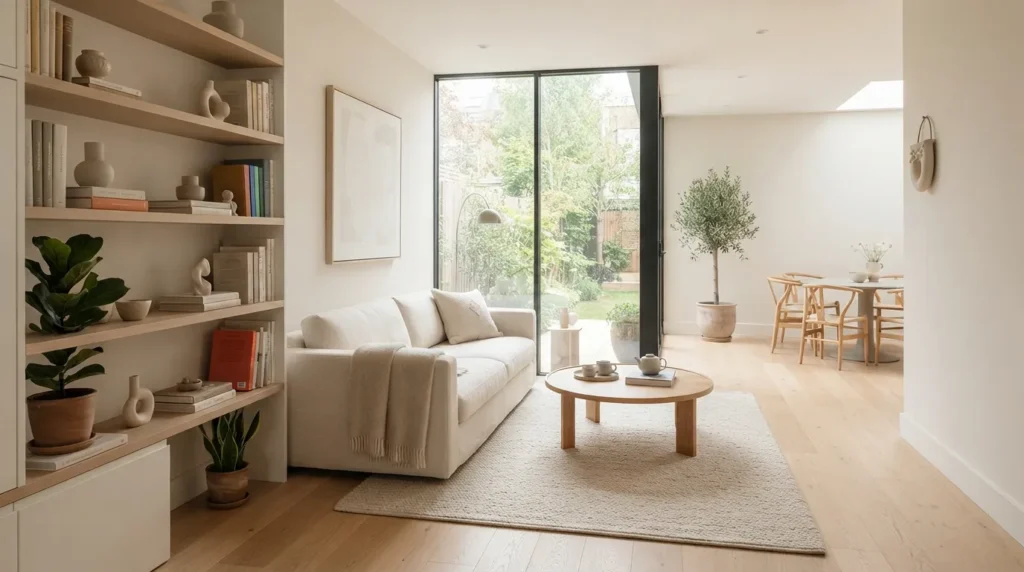
10. Maintain a Simple Reset Routine
Quick Benefits
- Keeps home organized
- Less weekend cleaning
- Consistent habits
- Peaceful environment
- Long-term success
Why It Works
Regular maintenance prevents clutter from gradually accumulating again.
How To Style It
Schedule a weekly 20-minute reset to organize surfaces, return misplaced items, and donate anything no longer needed.
FAQ
How do I start decluttering if I feel overwhelmed?
Begin with one small area such as a drawer, bathroom cabinet, or nightstand. Completing one space builds momentum for larger projects.
What is the minimalist approach to decluttering?
Minimalism encourages keeping only items that serve a purpose, bring joy, or add value while removing unnecessary possessions.
How often should I declutter my home?
A major decluttering session once or twice a year combined with daily and weekly maintenance works well for most households.
What should I do with items I no longer need?
Donate usable items to local charities, recycle when possible, sell valuable belongings, or responsibly dispose of damaged items.
Does decluttering make a home look bigger?
Yes. Removing excess furniture, decorations, and unnecessary belongings creates more open space and improves visual flow.
Conclusion
Decluttering your home like a minimalist isn’t about creating an empty house—it’s about designing a space that supports your daily life with less stress and more intention. By organizing one area at a time, keeping meaningful belongings, and developing simple maintenance habits, you can enjoy a cleaner, calmer, and more functional home. Small, consistent steps will lead to lasting results and a living space that feels both beautiful and peaceful.