Best Low-Profile Screwless Wall Plates for Thick Subway Tile Backsplashes
Finding the best Low-Profile Screwless Wall Plates for Thick Subway Tile Backsplashes can transform a kitchen renovation from a frustrating puzzle into a polished success. When you install thick, handmade, or beveled ceramic tiles, standard covers often fail to reach the device, leaving ugly gaps or exposed wiring. Selecting the right hardware ensures your electrical outlets and switches sit flush against the surface, maintaining a clean, modern aesthetic without compromising safety.
By understanding depth requirements and choosing the correct mounting system, you will achieve that professional look you envisioned for your home. This guide provides the practical steps needed to secure the perfect fit for your specific backsplash configuration.
Assessing the Depth of Your Tile Installation
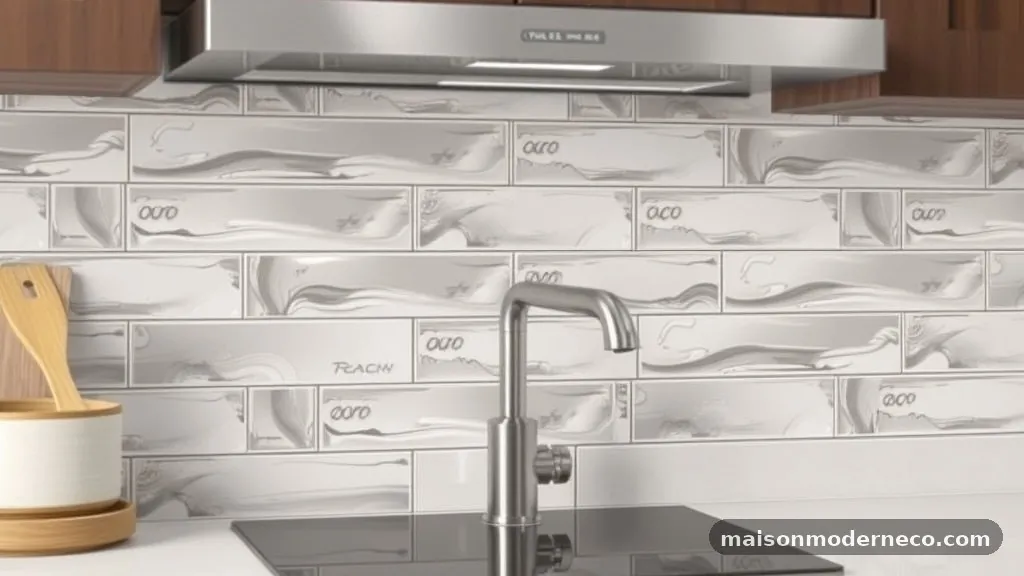
Before purchasing any hardware, you must measure the total thickness of your wall assembly. Standard wall plates are designed for drywall or thin materials, but a thick subway tile backsplash adds significant depth.
You need to account for the tile itself, the thin-set mortar, and the backer board behind it. If you skip this measurement, you will likely find that your screws are too short or your wall plate snaps off because the outlet is recessed too far into the wall.
Start by using a tape measure or a set of calipers to determine the distance from the face of the tile to the mounting strap of your electrical box. If this distance exceeds half an inch, a standard screwless plate will not engage correctly.
You are looking for a gap that allows the sub-plate to seat firmly against the tile while still providing enough clearance for the decorative cover to snap on. Avoid the common mistake of guessing; buy a small digital caliper to get an accurate reading of the tile profile.
Selecting the Correct Electrical Box Extenders
If your electrical boxes are buried deep behind thick tiles, you need box extenders. These plastic or metal sleeves sit inside the box and extend the mounting surface forward, effectively bringing the outlet or switch flush with the tile face.
Without these, even the best Low-Profile Screwless Wall Plates for Thick Subway Tile Backsplashes will struggle to bridge the gap. You want an extender that is specifically rated for fire safety and fits your specific box gang size.
Installation is straightforward but requires patience. First, turn off the power at the main breaker. Unscrew the outlet, slide the extender over the device, and secure it to the existing box.
Ensure the extender is rigid and doesn’t wiggle when you push against it. A loose extender will make the final wall plate feel flimsy or cause it to pop off over time. Always check the manufacturer’s specifications to ensure the extender is compatible with the specific brand of cover you intend to use.
Understanding the Mechanics of Screwless Systems
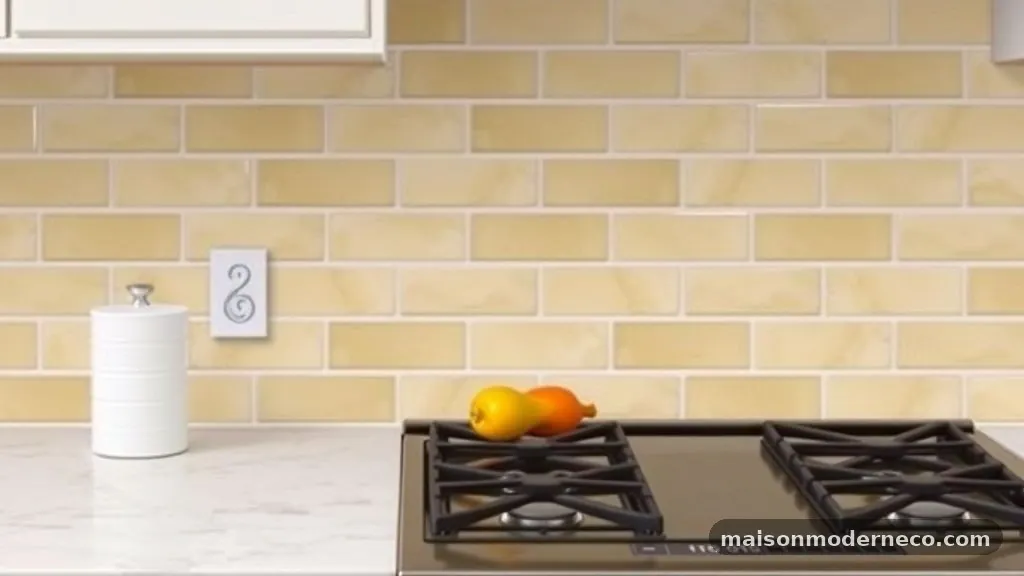
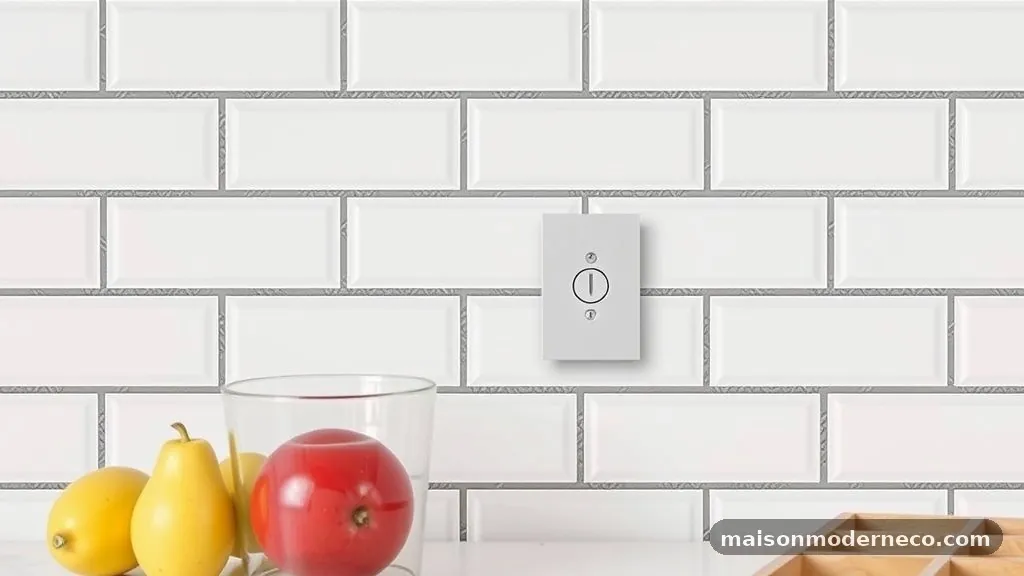
Screwless wall plates operate on a two-piece system: a mounting sub-plate and a decorative cover. The sub-plate attaches to the electrical device using traditional screws, and the cover snaps over it, hiding all hardware from view.
This design creates a clean, minimalist look that is particularly effective in a modern kitchen. However, the sub-plate must be perfectly level and properly spaced to accommodate the thickness of your subway tiles.
If your tile is particularly uneven, you might need to use shims behind the sub-plate. Avoid using cardboard or combustible materials for this purpose. Instead, use plastic shims designed for electrical work to ensure the sub-plate remains stable and flat.
When the sub-plate isn’t perfectly flush, the decorative cover will not snap on securely, leading to gaps or a crooked appearance. Take your time during this step, as it is the foundation of the entire installation.
Choosing Materials That Complement Your Kitchen
Your choice of material for the wall plate should reflect the style of your kitchen. While white plastic is the most common choice and fits almost any decor, you might consider metallic finishes like brushed nickel or even gold if your fixtures match.
These materials offer a more premium feel and can act as a subtle accent against a classic subway tile backsplash. Keep in mind that heavy metal plates require a very secure sub-plate, as the weight can cause the cover to shift if the mounting is loose.
When selecting between matte and glossy finishes, consider the texture of your tiles. If you have high-gloss subway tiles, a matching glossy plate creates a continuous, high-end look. Conversely, if you have handmade or matte tiles, a matte-finished plate will blend in more effectively.
You can refer to the National Electrical Manufacturers Association standards for more information on the safety and classification of wiring devices and associated hardware. Always ensure the material is durable enough to withstand the moisture and heat typical of a kitchen environment.
Managing Multiple Gang Configurations
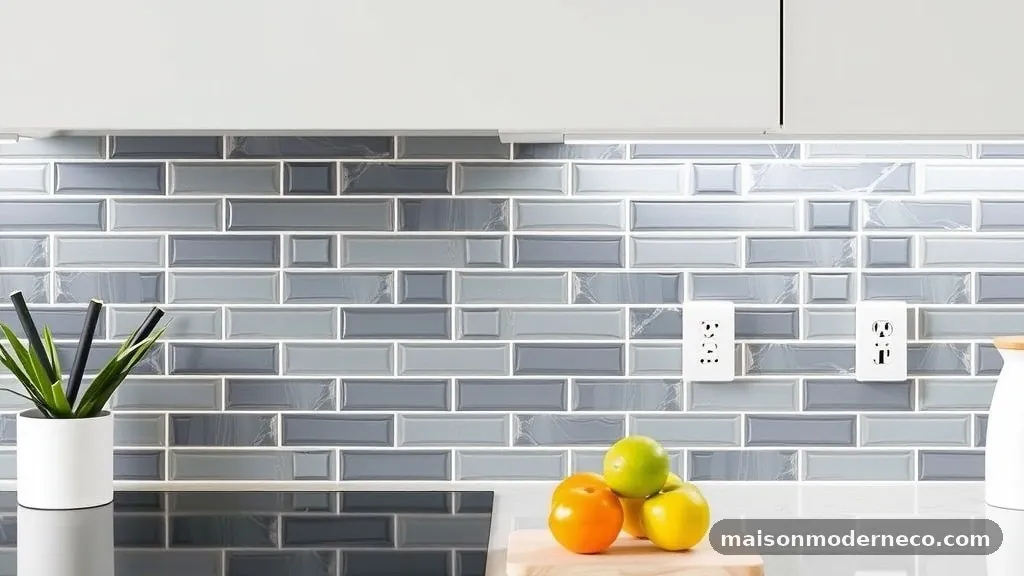
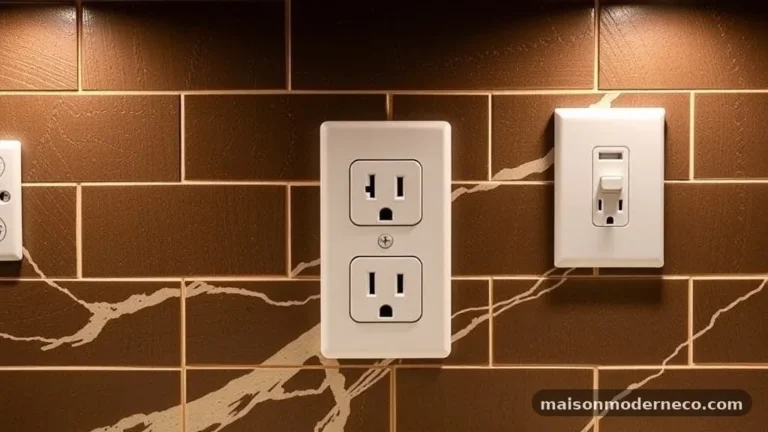
If you have two or more switches or outlets grouped together, you need a multi-gang screwless wall plate. These require precise alignment of all devices within the box.
If the devices are slightly crooked, the multi-gang plate will not snap into place, or it will sit at an awkward angle. This is where the challenge of thick tiles becomes most apparent, as each device must be shimmed and leveled independently to ensure the final plate sits flush across its entire surface.
To manage this, install all devices in the gang box first, but do not tighten the screws completely. Place the sub-plate over the entire assembly to check for alignment. Use the sub-plate as a guide to adjust the orientation of each switch or outlet.
Once everything is perfectly aligned, tighten the screws on the devices, then secure the sub-plate. This sequential approach prevents the frustration of having to remove and reposition everything because one outlet was a fraction of an inch off.
Addressing Tile Edging and Grout Lines
Thick subway tiles often create a challenge where the wall plate meets the tile edge. If the tile edge is not perfectly finished or if the grout line is thick, the wall plate might not sit flat against the wall.
You may need to carefully trim the tile or use a specialized grout to smooth the transition area. Never force the plate against an uneven tile surface, as this can crack the tile or warp the plastic plate over time.
Before you finalize the installation, check for any grout buildup behind the spot where the plate will sit. Use a small scraper to clear any excess mortar or grout that might prevent the plate from seating flush.
If your tile is beveled, you might need to use a slightly larger plate to ensure it covers the transition from the tile to the flat wall surface. A clean, smooth surface is essential for a high-quality finish.
Troubleshooting Common Installation Issues
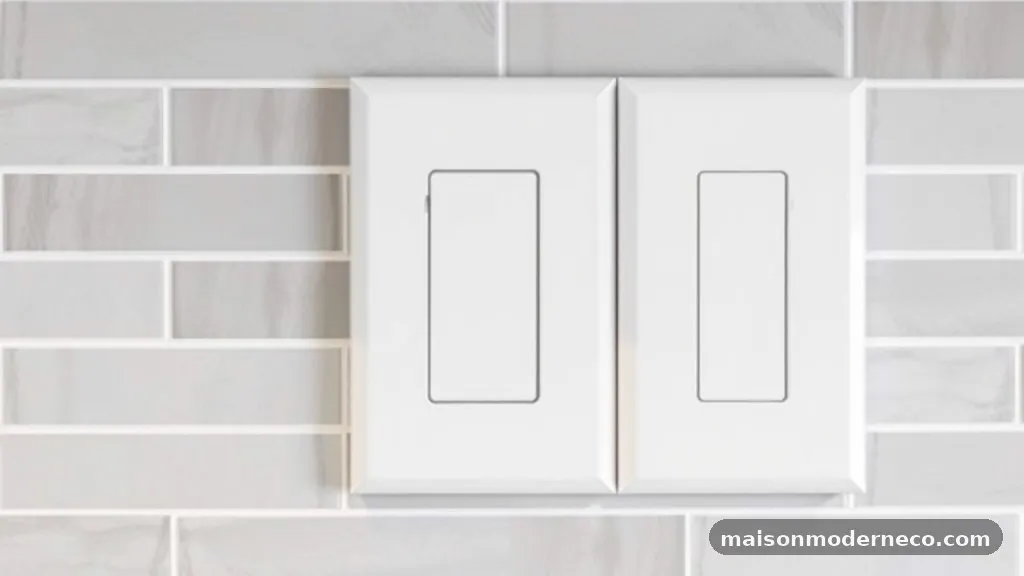
Even with the best planning, you might encounter issues during installation. If the plate feels loose, the sub-plate might not be screwed in deeply enough. If the plate won’t snap on, the sub-plate is likely too far forward or the devices are crowded.
Don’t rush these adjustments. If the screws provided with the wall plate are too short because of your thick tile, visit your local hardware store for longer 6-32 machine screws.
Another common issue is the plate bowing in the middle, especially with 3-gang or 4-gang configurations. This usually happens when the devices are not perfectly parallel.
Loosen the mounting screws on the devices and adjust them slightly until the sub-plate lays flat against the wall without any pressure. If you are still struggling, consider checking if the electrical box itself is recessed too far, which might require a more significant adjustment of the box position rather than just the plate.
Prioritizing Safety During the Process
Safety is paramount when working with electrical outlets and switches. Always ensure the power is off at the circuit breaker before removing any existing wall plates or touching the wiring.
Use a non-contact voltage tester to verify the power is off before you begin. Even if you are just changing the cover, it is best practice to avoid potential contact with live terminals.
Ensure that all wiring remains neatly tucked into the box. With thick tile backsplashes, the space inside the box can become crowded, especially if you add an extender. Take care not to pinch any wires between the extender and the box or between the sub-plate and the tile.
A pinched wire can lead to a short circuit or a fire hazard. If you feel any resistance while screwing in the sub-plate, stop immediately and check for trapped wires.
Maintaining Your Wall Plates Over Time
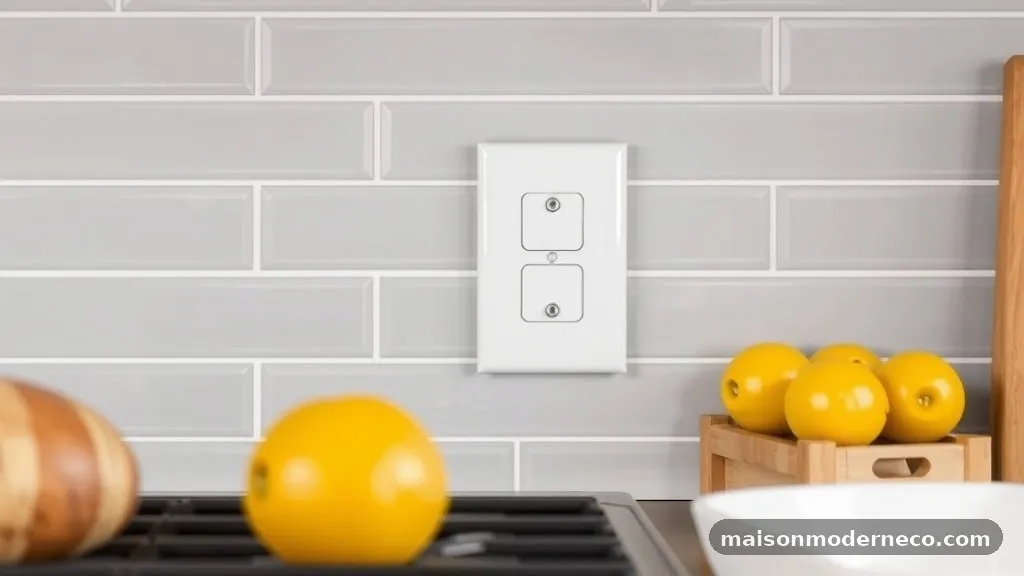
Once your wall plates are installed, they require minimal maintenance, but proper cleaning is important. Use a soft, damp cloth to wipe them down, avoiding harsh chemicals that could discolor plastic or damage metallic finishes.
If you have matte-finish plates, be careful not to use abrasive sponges that might leave scratches. For brushed nickel or other metal plates, a specialized cleaner can help maintain the shine and prevent spotting.
If you find that a plate has become loose over time, check the sub-plate screws. They may have vibrated loose or the wall material behind the tile might have shifted slightly.
Tightening the sub-plate screws usually resolves the issue. If the decorative cover itself becomes loose or stops snapping on securely, it may be time to replace it, as the plastic tabs can wear out after several removals.
Exploring Aesthetic Choices for Your Home
The visual impact of choosing the right wall plate should not be underestimated. While the primary goal is a functional, low-profile fit, the color and texture contribute significantly to the overall design of your kitchen.
Consider how the plate interacts with the grout color. A dark grout with white tiles might look best with a neutral, matching plate, whereas a bright, decorative plate could act as a statement piece.
Don’t be afraid to experiment with different finishes if you have a neutral backsplash. Brushed gold or matte black can add a touch of sophistication to a standard white subway tile wall.
When you look at your kitchen as a whole, the hardware should blend in or complement the existing design elements. By taking the time to pick the right style, you turn a functional necessity into an intentional design detail that elevates the look of your entire room.
Frequently Asked Questions
What is the best way to handle a plate that won’t snap on due to thick tile?
If the cover won’t snap on, the sub-plate is likely positioned too far forward or the devices are not flush. First, check if your electrical box is recessed too far and needs an extender. If the box is fine, ensure the sub-plate is perfectly flat and not bowed by uneven tile. Sometimes, simply loosening the device screws and re-aligning them allows the sub-plate to sit deeper, creating the necessary clearance.
Are screwless wall plates safer than traditional ones?
Screwless wall plates are just as safe as traditional versions when installed correctly. They offer the same protection against exposed live parts. The main benefit is aesthetic, as they lack the visible screws that collect dust and grime. As long as you follow the manufacturer’s installation instructions and ensure all wiring is properly contained within the box, they are a secure and reliable choice for your home.
Can I use a larger wall plate to cover a hole in the tile?
Yes, if your tile installation left a larger-than-expected opening around the electrical box, you can purchase “oversized” or “jumbo” screwless wall plates. These are designed to provide extra coverage beyond the standard dimensions. Make sure to verify the specific dimensions of the plate to ensure it will bridge the gap while still looking proportional to the device and the surrounding tile.
How do I clean metallic screwless wall plates without damaging them?
Metallic finishes, such as brushed nickel or gold, should be cleaned with a soft microfiber cloth and a mild soap solution if necessary. Avoid using abrasive pads, steel wool, or harsh household cleaners, as these can strip the finish or cause permanent scratches. If you have fingerprints or light smudges, a quick wipe with a dry cloth is usually all that is needed to keep them looking pristine.
Do I need an electrician to install these plates?
Installing wall plates is generally considered a DIY-friendly project. However, if you are uncomfortable working with electrical wiring or if you need to install box extenders that require moving the devices, it is always safer to consult a licensed electrician. If you have any doubt about the integrity of your electrical box or the wiring connections, professional help ensures the job is done safely and according to local building codes.
Conclusion
Achieving a clean, professional finish with the best Low-Profile Screwless Wall Plates for Thick Subway Tile Backsplashes is entirely possible with the right preparation. By accurately measuring your wall depth, using proper extenders, and ensuring your devices are perfectly aligned, you can overcome the common pitfalls associated with thick tile installations. These small details make a significant difference in the final look of your kitchen, turning a functional requirement into a polished design feature.
As you move forward with your project, remember that patience during the alignment phase is your best tool. Taking the time to get the sub-plate level will save you from frustration later and ensure a secure, long-lasting fit.
Whether you choose a classic white finish or a metallic accent, your attention to detail will pay off in a seamless, modern aesthetic. If you have questions about specific hardware compatibility, feel free to reach out to local home improvement experts for guidance on your next project.