Beveled vs Flat Subway Tile: Which Is Easier to Wipe Clean Behind a Stove?
Choosing between beveled vs flat subway tile for your kitchen backsplash involves balancing aesthetic preference with the practical realities of daily maintenance. While both options offer a timeless look, the configuration of the tile surface significantly impacts how easily you can scrub away oil splatters and cooking grease near your stove.
Understanding the structural differences between these two profiles will help you make a decision that keeps your kitchen looking fresh without requiring excessive effort. This guide evaluates the cleaning challenges associated with each style so you can choose the finish that best fits your cooking habits and home maintenance routine.
Understanding the Surface Geometry of Subway Tiles
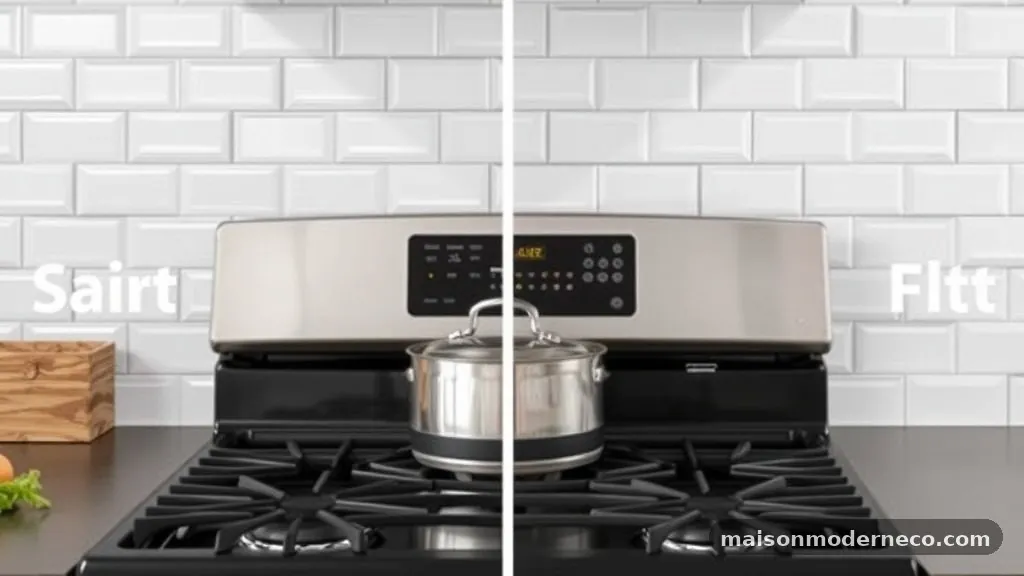
When you compare the two styles, the primary difference lies in the way the edges are manufactured. A flat subway tile is exactly what it sounds like: a smooth, uniform plane that sits flush against the wall.
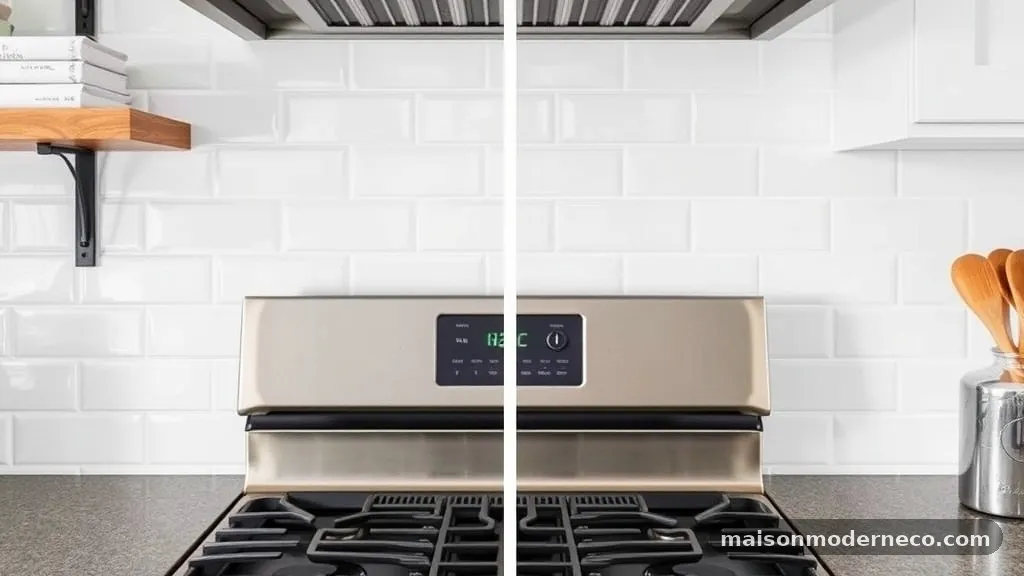
Because the surface is entirely level, grease, dust, and food particles have nowhere to hide. When you wipe a flat tile, your cloth travels in one smooth motion across the entire face of the installation, making it incredibly efficient to sanitize after a heavy cooking session.
In contrast, a beveled subway tile features edges that slope inward toward the grout line. This design creates a three-dimensional effect, adding depth and shadow to your kitchen backsplash. While this creates a sophisticated, classic aesthetic often found in vintage-inspired kitchens, it also introduces a series of small, angled grooves.
These slopes can catch airborne grease or steam, which then settles into the transition point where the tile meets the grout. If you enjoy a highly polished look but dislike scrubbing, the geometry of the beveled edge is a critical factor to weigh against your desire for visual texture.
The Impact of Grout Lines on Cleaning Efficiency
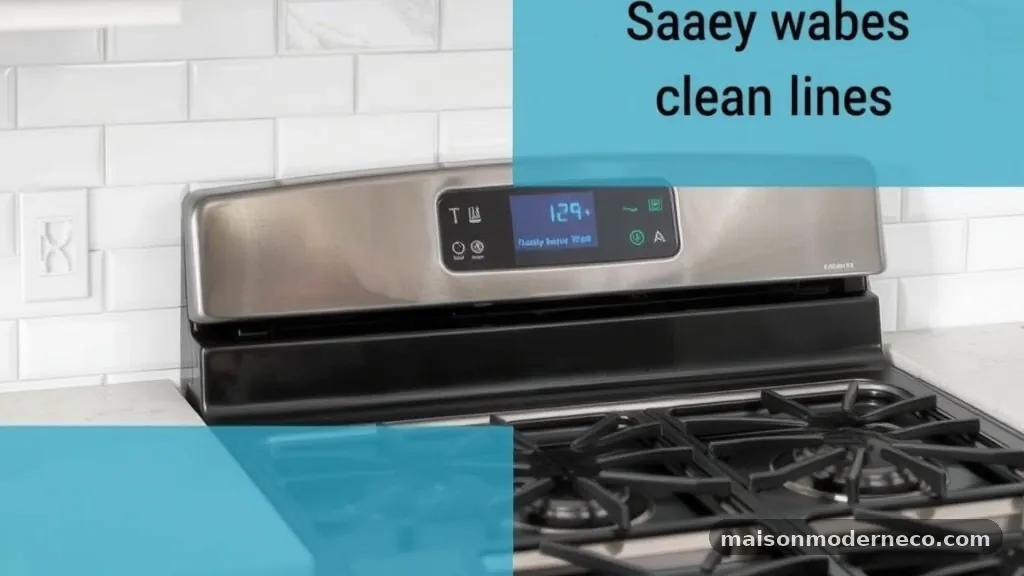
The relationship between the tile edge and the grout is the most common trouble spot behind a stove. With flat tiles, the transition from the ceramic surface to the grout line is usually a clean, ninety-degree drop.
This makes it easier to run a sponge or a microfiber cloth along the perimeter without catching on the tile face. If you use a high-quality, stain-resistant grout, keeping the area behind your stove clean becomes a simple wipe-down task that takes only seconds.
Beveled tiles change this dynamic entirely. Because the surface slopes down toward the grout, the grout lines often sit in a slight depression or “valley” relative to the high point of the tile. This recessed area is a natural trap for cooking residue.
When you wipe the wall, your cloth might skip over the grout line entirely, leaving behind a thin film of oil. To truly clean these areas, you often need to use a small brush or a more deliberate hand motion to reach into the crevices created by the beveled edges. If you have a busy household, the extra time required for this detail work can become a significant annoyance over the long term.
Evaluating the Maintenance of Ceramic and Glass Finishes
Beyond the shape, the material finish of your subway tiles plays a massive role in how they handle kitchen messes. Ceramic subway tiles are the industry standard, offering a durable, non-porous surface that resists most household stains. However, the glaze quality matters.
A high-gloss finish will be significantly easier to wipe clean than a matte or satin finish, regardless of whether the tile is beveled or flat. Glossy surfaces repel liquids and oils, allowing them to bead up and be wiped away rather than soaking into the material.
Glass subway tiles provide another layer of complexity. They are inherently non-porous and incredibly easy to clean because they lack the microscopic pits found in some lower-quality ceramics. However, glass is notorious for showing streaks and fingerprints.
If you choose a beveled glass tile, the light refraction caused by the angled edges can actually hide some of the smudges that would be glaringly obvious on a flat, clear surface. When selecting your material, visit the official resources on building materials to understand how different glazing techniques affect the porosity and long-term durability of your chosen wall covering.
Managing Grease Accumulation Behind the Stove
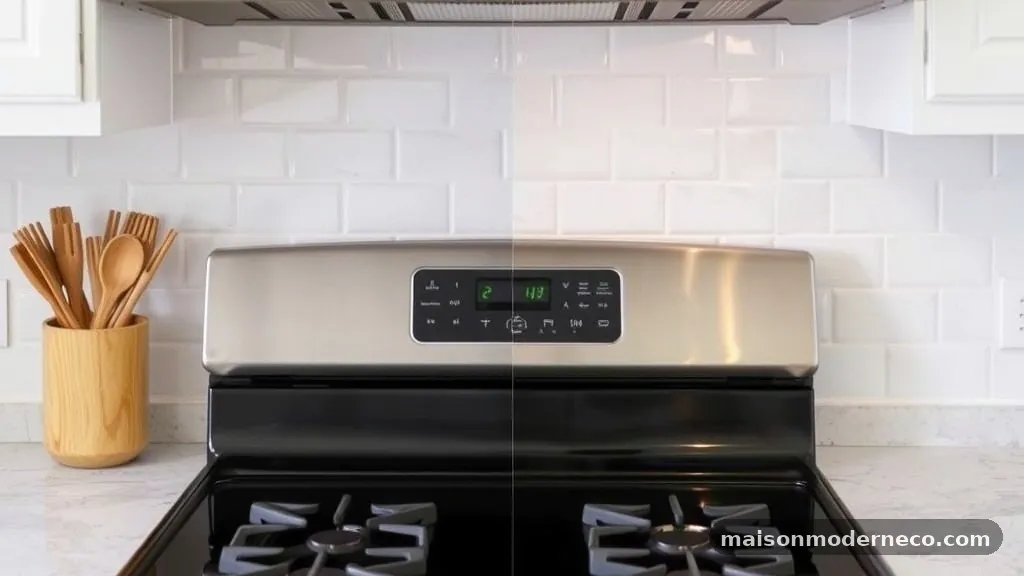
The area directly behind your stove is the most vulnerable part of your kitchen. High heat, steam, and airborne oils create a sticky film that develops quickly during daily meal preparation.
If you opt for beveled subway tile in this specific zone, you are choosing a surface that requires more frequent attention. The angled edges of the tile act as a catch-all for these particulates, meaning that if you don’t wipe the area down after every major meal, the buildup can harden in the corners.
Flat tiles offer a much more forgiving environment for high-traffic cooking zones. Because there are no ledges or slopes to trap debris, the grease is much less likely to accumulate in specific pockets. If you love the look of beveled tiles but are concerned about cleaning, consider a hybrid approach.
You could install flat tiles for the high-splatter area directly behind the stove and range, then transition to beveled tiles on the surrounding walls where grease accumulation is less of a concern. This allows you to keep the design aesthetic you love while minimizing the physical labor required to keep your kitchen sanitary.
The Role of Color and Finish in Hiding Messes
Many homeowners assume that white brick or bright white subway tiles show dirt the most, but this is not always the case. A high-gloss white surface is actually very easy to monitor; you can see exactly where the grease is, which makes targeted cleaning much more effective. If you choose a dark-colored tile or a matte finish, you might find that while the dirt is technically “hidden” better, it is also harder to see when you have actually succeeded in removing it.
The interplay between color and profile is essential when deciding on your backsplash. A dark, beveled tile will hide oil streaks better than a bright white one, but the shadows created by the bevels can make the surface look perpetually dusty or cloudy if not cleaned perfectly. If you are committed to the beveled look, consider choosing a lighter color with a high-gloss finish.
The light reflection will brighten the space, and the gloss will ensure that your cleaning efforts are productive. Conversely, if you prefer a modern, minimalist look, flat tiles in a soft gray or neutral tone offer the best balance of visual appeal and low-maintenance functionality.
Choosing the Right Cleaning Tools for Your Backsplash
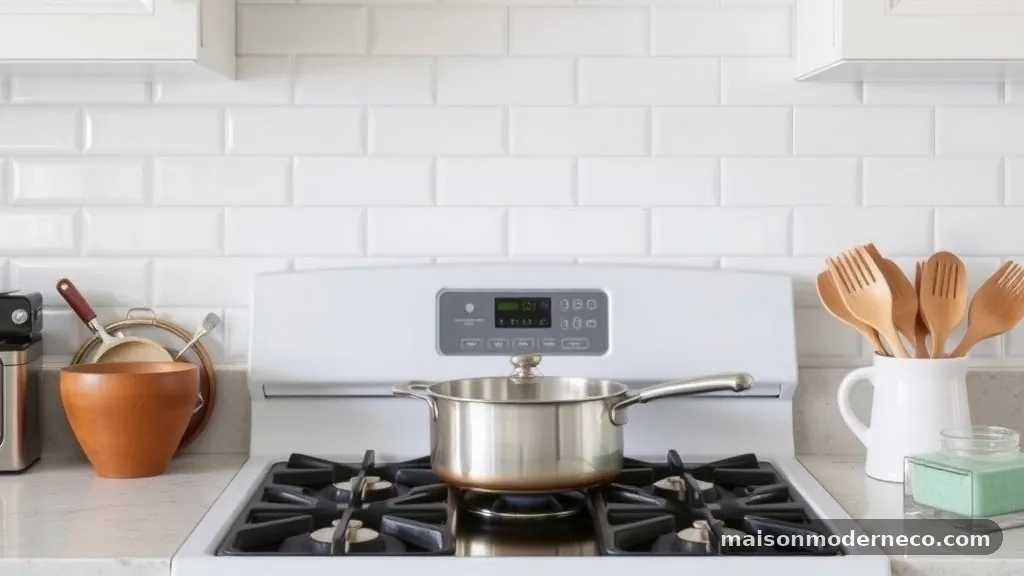
Regardless of whether you choose beveled or flat subway tiles, the tools you use will dictate your success. For flat surfaces, a simple microfiber cloth and a mild dish soap solution are almost always sufficient.
The goal is to avoid abrasive scrubbers that could scratch the glaze, as scratched tile becomes porous and will trap more grease in the future. Always opt for soft materials that can glide across the surface without snagging on the edges.
When dealing with beveled tiles, you need tools that can reach into the recessed grout lines. A soft-bristled toothbrush or a specialized grout brush is an essential addition to your cleaning kit. If you find that grease has built up in the bevels, a mixture of warm water and a degreasing agent can help break down the film without damaging the tile.
Avoid using harsh chemical cleaners, as these can degrade the sealant on your grout over time, leading to more difficult cleaning tasks in the future. Consistency is the secret; wiping the stove area down daily with a damp cloth prevents the heavy, caked-on buildup that requires deeper, more aggressive cleaning later.
The Impact of Installation Quality on Maintenance
It is easy to blame the tile profile for cleaning issues, but the quality of the installation is often the true culprit. If your tiles are not installed with a consistent gap, or if the grout lines are uneven, you will have a much harder time keeping the area clean.
In a professional-grade installation, the grout should be flush with the edge of the tile or slightly recessed in a uniform manner. If the tile is set too deep or if there is excess grout left on the face of the tile, you will be fighting against those imperfections every time you clean.
For beveled subway tile, the installation is even more critical. The installer must ensure that the transition between the beveled edge and the grout is smooth and consistent. If a tile is slightly offset or “lippage” occurs, the sharp edge of the tile will create a small ledge that is impossible to clean thoroughly.
Always work with an experienced professional who understands the specific requirements of the tile you have chosen. A high-quality installation will make the difference between a beautiful, low-maintenance kitchen and a constant cleaning headache.
Considering the Future of Kitchen Design
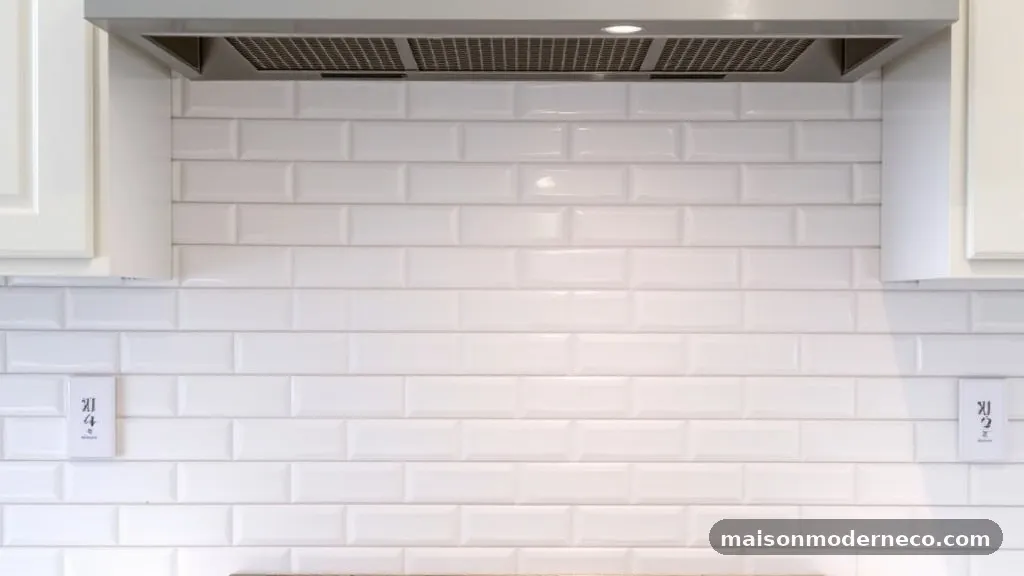
Trends in kitchen design often cycle between ornate and minimalist aesthetics. Currently, the move toward cleaner, more modern lines has kept flat subway tiles at the forefront of popular design.
However, the textured, high-depth appearance of beveled tiles remains a staple for those who prefer a classic, farmhouse, or traditional look. Choosing your tile should be based on your long-term vision for the home rather than just the immediate ease of cleaning.
If you are worried that your choice of tile might look outdated in a few years, remember that subway tile is one of the most resilient design elements in residential architecture. Whether you go with beveled or flat, the material itself is a classic.
You can update the look of your kitchen by changing the grout color, the cabinet hardware, or the lighting fixtures without ever needing to touch the tile. When you think about your choice, prioritize the maintenance level you are personally willing to commit to, as that will have a much larger impact on your daily satisfaction than the current trend cycle.
Addressing Common Misconceptions About Cleaning
One common myth is that beveled tiles are impossible to keep clean. This is simply not true; they just require a slightly different approach.
Many homeowners who choose beveled tiles find that the aesthetic reward is well worth the extra minute or two spent wiping the surface. The key is to manage expectations and establish a cleaning routine that addresses the specific geometry of your chosen material.
Another misconception is that flat tiles are always superior. While they are certainly easier to wipe, some people find the look too sterile or “hospital-like.” If you crave character, the flat tile might leave you feeling like your kitchen lacks personality.
The best approach is to compare samples in your own kitchen lighting. Place a beveled tile and a flat tile behind your stove for a few days.
See how they catch the light, how they feel to touch, and how they handle the inevitable splatters of a real cooking environment. This hands-on test will tell you more than any guide ever could.
Frequently Asked Questions
Is beveled subway tile actually harder to clean than flat tile?
Beveled tiles are slightly more labor-intensive to clean because the angled edges can trap grease and dust. While a flat tile can be wiped clean in one smooth motion, a beveled tile requires more attention to the grout lines where the edges meet. However, with a high-gloss finish and a regular cleaning routine, the difference in effort is manageable for most people.
What is the best way to clean grease off a subway tile backsplash?
The most effective method is to use a mixture of warm water, a small amount of grease-cutting dish soap, and a soft microfiber cloth. For stubborn grease buildup, you can use a soft-bristled brush to gently scrub the grout lines. Avoid using steel wool or harsh abrasive pads, as these will scratch the surface of the tile and make it more prone to staining in the future.
Does the color of the tile affect how much maintenance it requires?
Yes, the color and finish play a significant role. A high-gloss white tile makes it easy to see where grease has accumulated, allowing for targeted cleaning. Darker tiles or matte finishes might hide the grime better, but they can make it difficult to tell if you have effectively cleaned the surface. Generally, high-gloss finishes are the easiest to wipe down regardless of the color.
Should I use a specific type of grout for the area behind the stove?
Yes, you should always use a high-quality, stain-resistant, or epoxy grout for kitchen backsplashes, especially behind the stove. These grouts are non-porous and do not absorb grease or moisture, which makes them significantly easier to clean. Using a standard, porous grout in a high-heat, high-mess area will eventually lead to permanent staining that is very difficult to remove.
Is it possible to mix and match flat and beveled tiles?
Yes, mixing styles can be a great way to balance aesthetics with practicality. Many designers place flat tiles directly behind the stove where cleaning is most frequent, and use beveled tiles on the surrounding walls to add depth and interest. This design choice provides a visual focal point while ensuring the high-traffic area remains easy to maintain.
Final Thoughts on Your Backsplash Choice
Selecting the right profile for your kitchen is about finding the balance between the look you love and the maintenance you are willing to perform. Flat subway tiles offer a sleek, modern aesthetic that is undeniably easy to wipe down, making them an excellent choice for busy cooks who prioritize efficiency. Beveled subway tiles bring texture and a classic, architectural feel to your space, though they do require a bit more attention to keep the edges and grout lines free of cooking residue.
Take a moment to consider your daily routine and how much time you genuinely want to spend cleaning after dinner. If you appreciate a refined, detailed look, do not let the maintenance concerns deter you, as the right tools and a simple habits will keep the surface looking pristine.
Whether you choose the clean lines of flat tile or the elegant depth of beveled edges, you are making a lasting investment in your home. We invite you to share your experiences or ask any further questions as you finalize your kitchen design plans.