3×6 vs 4×12 Subway Tile: Which Makes a Small Kitchen Look Bigger?
Choosing between 3×6 vs 4×12 subway tile is a common dilemma for homeowners looking to refresh their kitchen backsplash. While the classic 3×6 inch format offers a timeless, traditional aesthetic, the elongated 4×12 inch profile creates a modern, streamlined look that can significantly alter the perception of your room. Deciding which option works best depends on your goals for visual expansion and the overall style of your home.
By understanding how these specific tile sizes influence the geometry of your wall, you can make a choice that enhances your space. This analysis provides the clarity you need to select the right format for your upcoming renovation project.
Assessing the Visual Impact of Tile Proportions
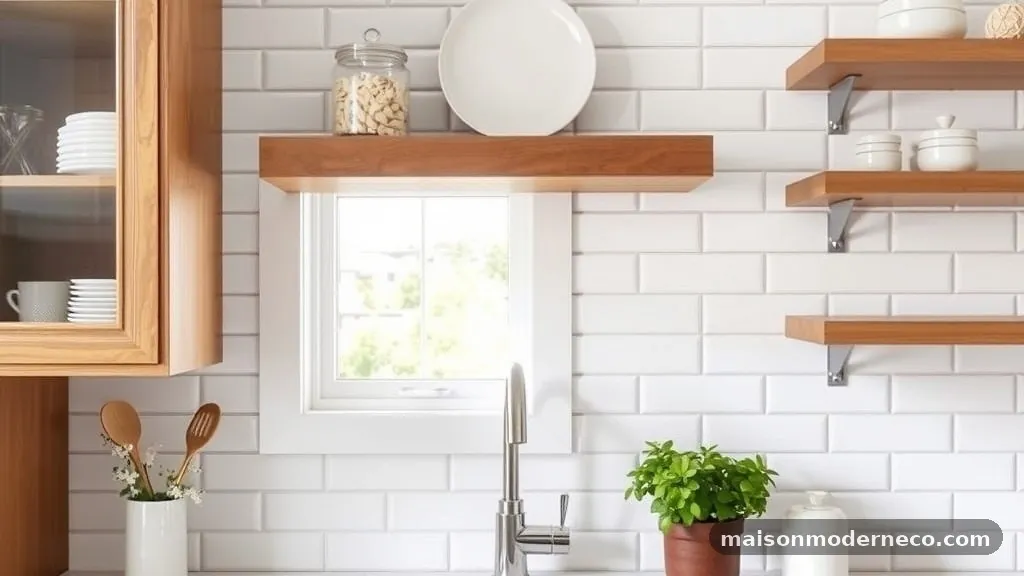
The primary argument for using larger tiles in a compact kitchen is the reduction of visual clutter. When you install 3×6 subway tiles, you are introducing a dense grid of grout lines to your walls.
In a small kitchen, these numerous lines can make the space feel busy, fragmented, and confined. Each grout line acts as a visual break, effectively “chopping up” the surface area of your backsplash.
Conversely, 4×12 tiles feature a significantly larger surface area, which naturally results in fewer grout joints. This reduction in lines creates a more continuous and fluid surface.
When your eyes move across a backsplash with fewer interruptions, the wall appears longer and more expansive. This is a foundational principle of interior design: fewer breaks in a pattern allow the eye to travel further, which helps a small room feel larger than it actually is.
Understanding the Role of Horizontal Lines
Horizontal lines are powerful tools for manipulating how we perceive the dimensions of a room. Because the 4×12 subway tile is elongated, it emphasizes the horizontal axis of your kitchen wall.
If you install these tiles in a standard running bond pattern, you are essentially drawing long, continuous lines across the length of your backsplash. This horizontal emphasis tricks the brain into perceiving the wall as wider than it really is.
While 3×6 tiles also offer horizontal orientation, their shorter length makes the effect less pronounced. You would need many more 3×6 tiles to cover the same horizontal span, resulting in a more repetitive, rhythmic pattern rather than a sweeping, expansive one. If your kitchen suffers from a lack of width, the elongated geometry of the 4×12 format is generally the superior choice for creating a sense of openness.
The Influence of Grout Color and Contrast
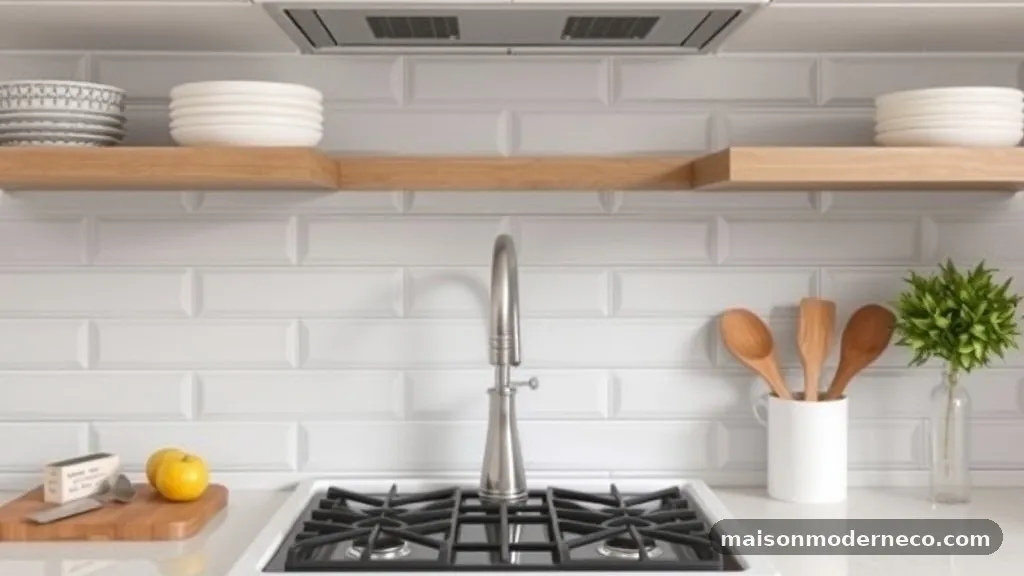
Regardless of whether you choose 3×6 vs 4×12 subway tile, the grout you select will drastically change the outcome. High-contrast grout—such as dark gray or black grout against white tile—will highlight every single joint.
If you use high-contrast grout with 3×6 tiles, you are essentially creating a graph paper effect on your walls. This can be a charming aesthetic choice, but it rarely helps a small kitchen feel larger.
To maximize the feeling of space, opt for a grout color that closely matches the tile itself. This technique, often called “matching the grout,” makes the individual tiles blend together into a unified plane.
When using 4×12 tiles with matching grout, the backsplash becomes a monolithic surface. This minimizes the visual weight of the wall and allows the backsplash to recede, which makes the kitchen feel more airy and less enclosed.
Comparing Installation Complexity and Labor
It is a common misconception that larger tiles are always faster to install. While a 4×12 tile covers more square footage per piece, it also requires more precision during the cutting process.
Because the tiles are longer, any slight bowing in the wall or unevenness in the cabinetry becomes more apparent. If your kitchen walls are not perfectly plumb—which is common in older homes—you may face challenges getting long tiles to sit flush without creating “lippage.”
Smaller 3×6 tiles are generally more forgiving. Their shorter length allows them to follow the contours of a wall more gracefully. If you are a DIY enthusiast, you might find that the 3×6 size is easier to manage, especially when you need to navigate tricky corners, outlets, or window frames.
However, the sheer volume of tiles means more individual steps, more thin-set application, and more time spent grouting. Professional installers often charge more for 3×6 projects because of the sheer count of tiles involved.
Evaluating the Aesthetic Style and Timelessness
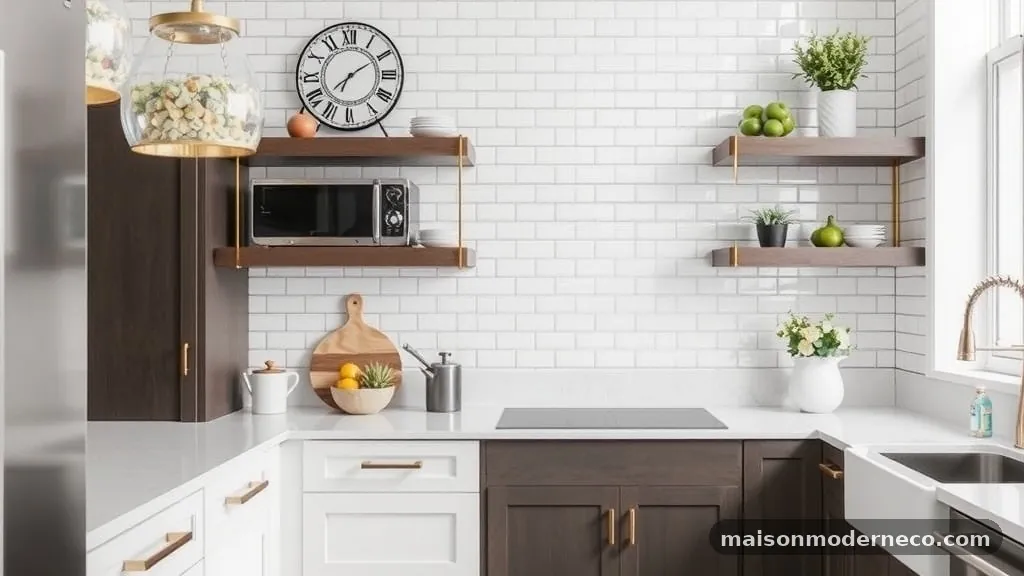
The 3×6 subway tile is the industry standard for a reason. It has been a staple in kitchens for over a century, offering a classic, clean, and understated look that rarely goes out of style.
If your kitchen design leans toward farmhouse, cottage, or traditional, the 3×6 size is likely to feel more at home. It provides a sense of history and comfort that many homeowners find appealing.
The 4×12 tile, while still a subway format, feels distinctly more contemporary. It aligns well with minimalist, industrial, or modern cabinetry styles. If you are worried about your kitchen looking “dated” in a few years, it is worth noting that the 4×12 size is currently trending upward.
It offers a cleaner, more sophisticated silhouette that appeals to those who want a decluttered, high-end appearance. Choosing between these sizes is as much about your personal design preference as it is about the physics of the room.
Considering the Impact of Tile Material
The material of the tile—whether ceramic, porcelain, or glass—interacts differently with these sizes. Ceramic is the traditional choice, but porcelain is often preferred for its density and durability in high-moisture kitchen areas. You can find more information on material standards through the Tile Council of North America, which provides comprehensive data on industry installation requirements.
Glass subway tiles, when available in the 4×12 format, can be particularly effective for making a small kitchen look larger. Because glass is reflective, it bounces light around the room.
When you combine the expansive surface of a 4×12 glass tile with a reflective finish, you effectively create a “mirror” effect that adds depth to the wall. Small kitchens often struggle with natural light, so using a reflective, large-format tile can be a clever way to brighten and enlarge the space simultaneously.
Planning the Layout and Orientation
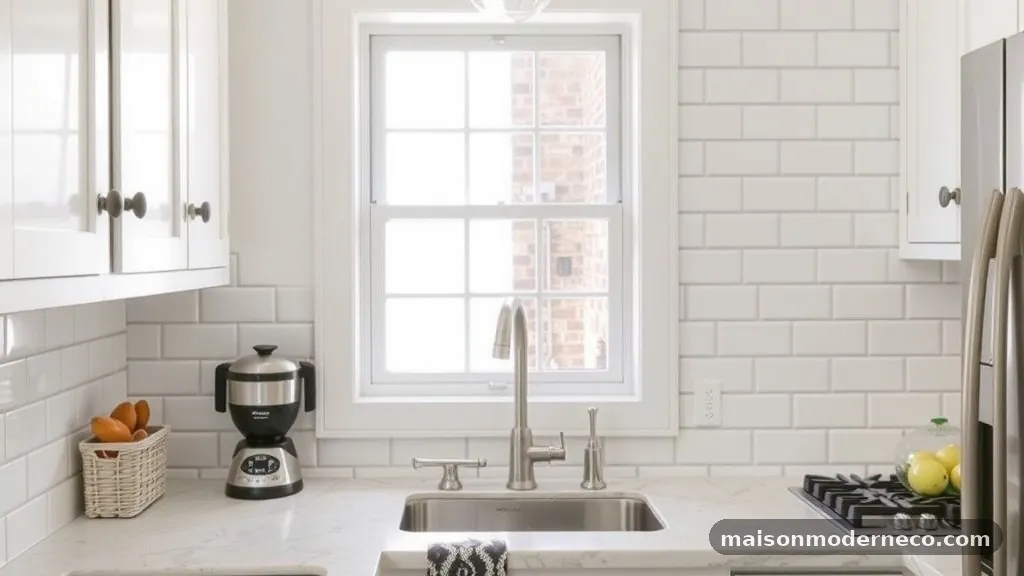
Layout is just as important as the tile size itself. While a standard running bond (where the center of one tile aligns with the edge of the tile below) is the most common, it is not the only way to install these tiles.
For 4×12 tiles, a stacked bond—where tiles are placed directly on top of each other in a grid—can emphasize verticality. If you have low ceilings, a vertical stack can draw the eye upward, making the ceiling feel higher.
However, if your goal is to make the room feel wider, the horizontal running bond remains the best choice. Avoid complex patterns like herringbone in a very small kitchen, as these patterns are visually intense and can make a small room feel chaotic rather than expansive. Stick to simple, linear layouts to keep the focus on the scale of the tile and the continuity of the wall.
Common Mistakes to Avoid During Selection
One of the most frequent mistakes homeowners make is failing to account for the “scale of the room” versus the “scale of the tile.” If you choose an excessively large tile for a tiny kitchen, it can look out of proportion. A 4×12 tile is usually the upper limit for a standard backsplash; anything larger, such as 6×18 or 12×24, may require so many cuts that you lose the intended visual effect.
Another error is ignoring the thickness of the tile. Larger tiles are often thicker to ensure structural integrity.
If your backsplash needs to sit flush with existing trim or electrical outlets, the thickness of the tile could become a logistical hurdle. Always check the manufacturer’s specifications before you purchase, and dry-fit a few tiles on your counter to see how they look against your existing hardware and cabinetry.
Budget Considerations and Material Waste
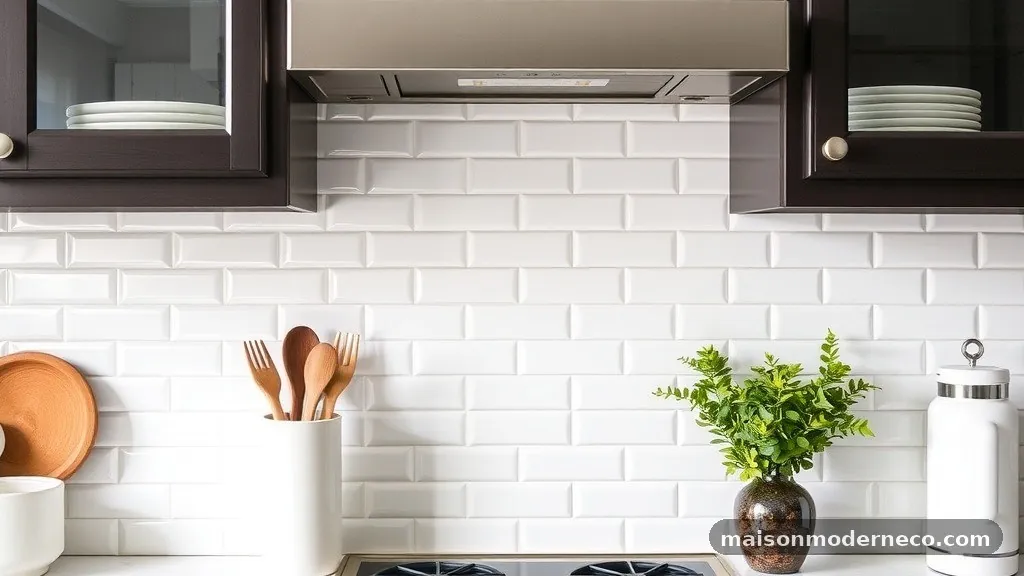
Larger tiles often come with a higher price tag per square foot, but they can be more efficient in terms of installation labor. Conversely, smaller 3×6 tiles are often the most budget-friendly option, as they are mass-produced in massive quantities. However, you must factor in the cost of grout and the time required for installation.
Waste is another factor. When using 4×12 tiles, a single bad cut can ruin a larger percentage of your material than a bad cut on a 3×6 tile.
Always order at least 10-15% more than the measured square footage to account for breakage and cuts. With larger tiles, you might even consider 20% if your kitchen layout involves many outlets or corners, as the longer tiles are harder to navigate around these obstacles without cracking.
The Long-Term Maintenance and Cleaning Factor
Maintenance is an often-overlooked aspect of the 3×6 vs 4×12 subway tile debate. Grout is porous and tends to attract grease, dirt, and moisture over time. Because 3×6 tiles create so many more grout lines, you are essentially increasing the amount of surface area that requires regular scrubbing and sealing.
If you hate cleaning grout, the 4×12 tile is the clear winner. By reducing the number of joints by up to 50% compared to the 3×6 format, you are cutting your future maintenance work in half.
This is a practical benefit that persists long after the initial installation is finished. For a busy kitchen where cooking is a daily activity, the ease of cleaning the larger format is a significant advantage that shouldn’t be underestimated.
Frequently Asked Questions
Does a 4×12 tile make a kitchen look too modern?
It definitely leans toward a contemporary aesthetic, but it is not strictly modern. When paired with traditional cabinetry or hardware, a 4×12 tile can look quite transitional and timeless. It is all about how you style the rest of the room.
Can I mix 3×6 and 4×12 tiles in the same kitchen?
Mixing sizes is generally discouraged as it can create visual confusion. In a small space, uniformity is your best friend. Sticking to one size and one color will provide a much cleaner, more cohesive look that helps the room feel larger.
Is it harder to install 4×12 tiles on a DIY level?
Yes, it can be slightly more challenging. Larger tiles require a perfectly flat surface, and because they are long, any deviation in the wall will be immediately visible as “lippage,” where one edge of a tile sits higher than the other.
What is the best grout color for a small kitchen?
A grout color that matches the tile is almost always the best choice for a small kitchen. It minimizes the grid pattern, allowing the eye to see the backsplash as a single, unified surface, which reduces visual clutter.
Will 4×12 tiles go out of style soon?
Subway tile has been a standard for over a century. While the specific dimensions change, the general “subway” look is a classic. The 4×12 size is currently very popular, but it is unlikely to look “dated” anytime soon because it follows the same clean, linear tradition as the classic 3×6.
Final Thoughts on Choosing Your Tile
Choosing between 3×6 vs 4×12 subway tile comes down to your desire for either a traditional, rhythmic pattern or a modern, expansive surface. If your primary goal is to make a small kitchen look bigger, the 4×12 tile is generally the more effective choice.
Its elongated profile and reduced number of grout lines create a sense of continuity that helps open up restricted wall space. By pairing these larger tiles with a grout color that matches, you further minimize visual fragmentation and create a sleek, airy environment.
Take a moment to order samples of both sizes and place them against your current wall. See how they interact with your lighting and cabinetry. Once you visualize the scale in your own home, the decision usually becomes clear.
Whether you embrace the classic charm of the 3×6 or the contemporary flow of the 4×12, your choice will define the character of your kitchen for years to come. We encourage you to start your sample testing today to see which format best suits your vision.