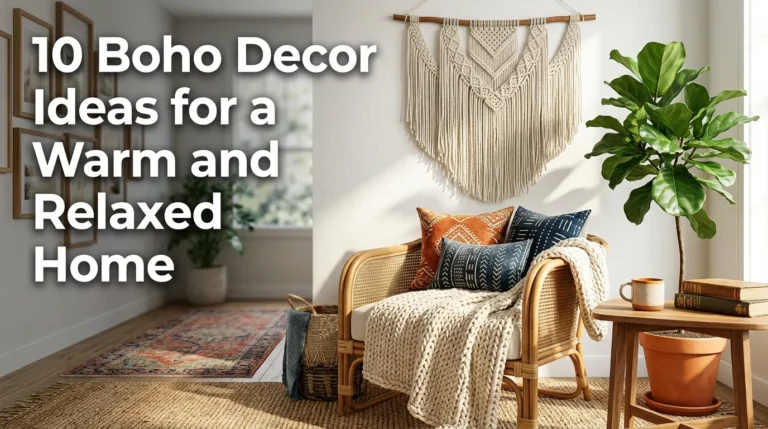
10 Scandinavian Cozy Living Room Ideas
Scandinavian interiors have a way of making a living room feel calm without ever feeling cold. The look is known for clean lines, pale woods, soft textiles, simple furniture, and plenty of natural light—but the real secret is balance. A Scandinavian-inspired room should feel comfortable enough for a slow morning with coffee, practical enough for everyday family life, and beautiful enough that you want to photograph every corner.
If your living room currently feels cluttered, overly dark, or simply lacks that warm, inviting feeling, Scandinavian styling can be a surprisingly approachable solution. You don’t need to replace every piece of furniture or turn your home into a completely minimalist space. Often, a few thoughtful changes—such as adding warmer lighting, introducing natural textures, or simplifying a busy color palette—can make a noticeable difference.
I especially love this style because it works across different types of homes. It can make a small apartment feel more spacious, give a traditional home a fresher appearance, or soften a modern room that feels too stark. And because Scandinavian design emphasizes functionality, the prettiest elements usually have a practical purpose, too.
The ideas below focus on creating a room that looks polished while still feeling lived-in. You’ll find ways to work with neutral colors, wood, cozy textiles, greenery, layered lighting, and carefully chosen furniture without making the space feel overly decorated.
Whether you’re starting with an empty room or simply looking for a few easy updates, these ideas can help you create a living room that feels warm, relaxed, bright, and effortlessly inviting.
Table of Contents
1. Soft Neutral Layers
Create a peaceful foundation with warm whites, creams, beige, and gentle gray tones.
2. Pale Wood Accents
Use light-toned wood to bring warmth and natural character into the room.
3. Cozy Textile Layers
Combine rugs, throws, cushions, and soft upholstery for a comfortable Scandinavian feel.
4. Warm Ambient Lighting
Use multiple sources of gentle lighting to make the room feel inviting throughout the day.
5. Simple Functional Furniture
Choose streamlined pieces that are attractive, comfortable, and genuinely useful.
6. Natural Greenery
Add plants and organic elements to bring freshness and visual life to a neutral room.
7. Minimalist Gallery Walls
Use understated artwork to personalize the space without overwhelming its simplicity.
8. Textured Neutral Decor
Mix natural materials and subtle textures so a restrained palette never feels flat.
9. Cozy Reading Corners
Turn an unused corner into a comfortable, purposeful spot for reading and relaxing.
10. Hygge-Inspired Styling
Finish the room with small details that encourage comfort, relaxation, and everyday enjoyment.
1. Soft Neutral Layers
Quick Benefits
- Makes the room feel brighter and more spacious
- Creates a peaceful visual foundation
- Works well with different decorating styles
- Makes natural materials stand out
- Provides an easy backdrop for seasonal changes
Why It Works
A warm neutral palette is one of the easiest ways to establish a Scandinavian-inspired atmosphere. Instead of relying on lots of contrasting colors, this approach uses subtle variations of white, cream, oatmeal, beige, taupe, and soft gray to create depth.
The key is avoiding a completely flat white room. In my experience, rooms feel much more inviting when several closely related shades are layered together. A creamy sofa might sit against a warm-white wall, while a beige rug and oatmeal cushions add another level of softness.
This restrained palette also reflects the Scandinavian preference for bright, uncomplicated interiors. Light colors can visually open up a room, especially when paired with natural daylight and uncluttered surfaces.
If you have colorful furniture that you don’t want to replace, you can still use this idea. Simply surround those pieces with quieter tones so the overall room feels cohesive rather than visually busy.
How To Style It
Start with two or three main neutrals instead of trying to match everything perfectly. For example, use warm white for the walls, oatmeal for upholstery and textiles, and light beige for the rug.
Then introduce slightly darker shades through cushions, baskets, wood furniture, or artwork. This prevents the room from looking washed out.
For a rental, removable decor can make the biggest difference. A neutral area rug, linen-look curtains, cream pillow covers, and a soft throw can shift the entire mood without permanent changes.
Keep larger surfaces relatively calm and use texture to provide interest. A chunky knit blanket or nubby cushion can make a neutral sofa look much richer without introducing another strong color.
2. Pale Wood Accents
Quick Benefits
- Adds natural warmth
- Softens neutral interiors
- Creates an organic Scandinavian feel
- Works with both modern and traditional homes
- Helps prevent a room from feeling sterile
Why It Works
Natural wood is an important part of Scandinavian-inspired interiors because it brings warmth and visual character without requiring elaborate decoration. Pale oak, ash, birch, and similar light woods work especially well because they complement soft neutral colors while maintaining an airy appearance.
A room filled exclusively with white, gray, and fabric can sometimes feel a little lifeless. Wood changes that immediately. Even a simple coffee table can introduce a warm focal point and give the eye something natural to rest on.
Another advantage is that wood doesn’t have to look rustic. Clean-lined Scandinavian furniture often uses smooth, understated wood finishes rather than heavily distressed surfaces. That makes the material feel modern while still retaining its natural character.
A mistake many homeowners make is assuming they need matching wood throughout the room. You don’t. Slight variations in wood tones can actually make the space feel more collected and authentic.
How To Style It
Begin with one substantial wooden element, such as a coffee table, media console, side table, or accent chair. Then repeat smaller touches around the room.
A pale wood coffee table paired with a cream sofa and textured beige rug creates an easy foundation. Add a wooden tray, framed artwork, or small stool to subtly echo the material elsewhere.
If your existing furniture is dark wood, there’s no need to replace it automatically. Instead, soften the contrast with lighter textiles and warm neutral accessories.
For a smaller living room, choose furniture with visible legs and a lighter finish. The open space beneath the furniture can help maintain an airy feeling.
Try to keep wood finishes natural-looking rather than excessively glossy. Matte or lightly finished surfaces tend to complement the relaxed character of Scandinavian interiors beautifully.
3. Cozy Textile Layers
Quick Benefits
- Makes minimalist furniture feel more inviting
- Adds warmth without visual clutter
- Introduces softness and dimension
- Helps define seating areas
- Makes the room feel comfortable year-round
Why It Works
Scandinavian design may look simple, but simplicity doesn’t mean a lack of comfort. Soft textiles are one of the best ways to make streamlined furniture feel warm and lived-in.
Think about the contrast between a bare sofa and the same sofa covered with a casually folded throw, a few textured pillows, and a soft rug beneath it. The furniture hasn’t changed, but the emotional feeling of the room has.
Layering is particularly effective because it creates depth without requiring additional furniture or decorative objects. A wool-look rug, cotton cushions, linen curtains, and a knitted throw can all occupy the same neutral color family while offering completely different tactile qualities.
The goal isn’t to cover every surface. Instead, choose a handful of textiles that make the room more comfortable and give the eye subtle variations to explore.
How To Style It
Start from the floor. A large, softly textured rug can visually anchor the seating arrangement and make the entire room feel warmer.
Next, add two to five cushions depending on the size of your sofa. Mix textures rather than filling the sofa with identical pillows. Linen, boucle, cotton, wool, and knitted fabrics can work beautifully together.
Keep at least some of the textiles in similar colors so the arrangement doesn’t become visually chaotic. Cream, oatmeal, sand, light gray, and muted brown are easy combinations.
Place a throw over the arm or back of the sofa instead of folding it perfectly. Scandinavian-inspired rooms generally benefit from a relaxed appearance.
If you have children or pets, prioritize washable covers and durable rugs. A cozy living room still needs to function in real life.
4. Warm Ambient Lighting
Quick Benefits
- Creates a cozy atmosphere after sunset
- Adds visual depth
- Makes neutral colors feel warmer
- Allows flexible lighting throughout the day
- Creates an inviting evening focal point
Why It Works
Lighting can completely change how a Scandinavian living room feels. During the day, natural light is often the star, but evenings call for softer layers that make the room feel intimate rather than stark.
One overhead light rarely provides enough atmosphere. Instead, Scandinavian-inspired rooms often look best when several smaller sources of illumination work together.
Think about the different activities happening in your living room. You might need brighter light for cleaning or working, gentle light for watching television, and a focused glow for reading. Multiple lamps allow you to create those different moods.
Warm-toned bulbs can also make cream, beige, wood, and natural fabrics look richer in the evening. This is particularly helpful if your room has cool-white walls or gray furniture.
The most effective lighting isn’t necessarily decorative. A simple floor lamp or small table lamp can create more atmosphere than a large statement fixture if it is positioned thoughtfully.
How To Style It
Aim for at least three layers of lighting where possible: general illumination, task lighting, and ambient lighting.
Place a floor lamp beside the sofa or reading chair. Add a table lamp to a console, side table, or media cabinet. Then use the main ceiling fixture when you need broader illumination.
Paper, linen, frosted glass, and fabric shades are particularly useful for creating a softer glow.
Avoid placing every lamp at exactly the same height. Varying light levels around the room helps create dimension.
For evenings, switch off unnecessary overhead lights and rely more heavily on the smaller lamps. This simple habit can make an ordinary living room feel significantly more relaxing.
5. Simple Functional Furniture
Quick Benefits
- Keeps the room visually calm
- Improves everyday usability
- Makes small spaces feel less crowded
- Supports a minimalist aesthetic
- Makes cleaning and movement easier
Why It Works
Scandinavian furniture tends to prioritize function as much as appearance. This is especially valuable in a living room because the space needs to support real daily activities rather than simply look attractive in photographs.
A beautiful sofa that is uncomfortable won’t make the room successful. Neither will a large coffee table that blocks the walking path or an oversized accent chair that nobody uses.
Instead, think carefully about what your household actually does in the room. Do you watch movies together? Read? Entertain friends? Work occasionally from the sofa? Need storage for children’s toys?
Once those needs are clear, choose furniture that supports them while maintaining a simple silhouette.
The result should feel intentional rather than empty. Scandinavian minimalism isn’t about owning as little as possible; it’s about making sure the things you keep have a purpose.
How To Style It
Choose a comfortable sofa with a relatively simple profile. Light upholstery works beautifully, but medium taupe, warm gray, or muted brown can also fit the look.
Pair it with a coffee table that leaves enough circulation space around the seating area. In a compact room, consider a round table or nesting tables to make movement easier.
Look for furniture with clean lines and visible legs if you want a lighter visual effect. Closed storage can hide everyday clutter while open shelving should be reserved for a smaller collection of attractive objects.
Before buying anything, measure the room and mark furniture dimensions on the floor with painter’s tape. This is a simple trick that can prevent expensive sizing mistakes.
Remember that empty space is part of the design. Don’t fill every corner simply because there is room for another piece.
6. Natural Greenery
Quick Benefits
- Adds life to neutral rooms
- Introduces natural color
- Softens straight furniture lines
- Creates an organic focal point
- Works in large and small spaces
Why It Works
Plants provide one of the easiest ways to add color to a Scandinavian living room without disrupting its restrained palette. Green foliage works naturally with cream upholstery, pale wood, woven baskets, and neutral walls.
There is also something visually appealing about combining living plants with natural materials. Wood, stone, cotton, linen, and greenery all reinforce the connection to nature that makes this style feel so comfortable.
You don’t need a jungle of houseplants. One large plant beside the sofa can have more impact than ten tiny plants scattered throughout the room.
For people who don’t have particularly bright rooms, choose plants suited to the available conditions rather than buying one simply because it looks good in a photograph. Healthy greenery always looks better than a struggling plant.
How To Style It
Use a large floor plant in an empty corner to create height. A simple ceramic or woven planter can reinforce the room’s natural palette.
For shelves or coffee tables, smaller plants can add softness without taking over the surface.
Choose containers in materials such as matte ceramic, terracotta, stone-look finishes, or natural fiber. Avoid using too many different planter styles at once.
If you have limited floor space, hanging plants or a single small plant on a shelf can provide the same organic effect.
For very dark rooms, high-quality faux greenery can be a practical alternative. Choose realistic shapes and use them sparingly.
The goal is to create a connection with nature, not turn the living room into a botanical display.
7. Minimalist Gallery Walls
Quick Benefits
- Adds personality to neutral rooms
- Creates a visual focal point
- Makes the room feel finished
- Allows inexpensive artwork to look intentional
- Can be changed seasonally
Why It Works
A Scandinavian-inspired room shouldn’t feel like a showroom. Personal artwork is one of the easiest ways to introduce individuality while keeping the overall aesthetic simple.
The trick is choosing artwork with a restrained visual language. Black-and-white photography, botanical prints, abstract shapes, muted landscapes, line drawings, and simple typography can all work well.
A gallery wall also gives vertical space a purpose. If your sofa sits against a large blank wall, artwork can make the seating area feel more complete without requiring another piece of furniture.
You don’t need expensive original art. What matters most is the relationship between the prints, frames, colors, and surrounding furniture.
I’ve found that a small collection of thoughtfully selected prints often looks more sophisticated than a wall filled with unrelated pieces.
How To Style It
For an easy arrangement, choose three to five prints that share at least one visual characteristic. This might be a similar color palette, subject, frame style, or artistic treatment.
Black frames can create a crisp contrast against cream walls, while natural wood frames produce a softer effect.
Before hanging anything, lay the artwork on the floor and experiment with spacing. Photograph the arrangement so you can refer to it when installing the pieces.
Keep the spacing consistent but don’t worry about making every element perfectly symmetrical.
If you’re decorating a rental, lean framed artwork on a console or picture ledge instead of making multiple holes in the wall.
Keep the surrounding surfaces relatively uncluttered so the artwork remains the focal point.
8. Textured Neutral Decor
Quick Benefits
- Prevents neutral rooms from looking boring
- Adds depth without bold colors
- Creates a more sophisticated appearance
- Works with existing furniture
- Makes the room feel tactile and welcoming
Why It Works
When you remove strong colors from a room, texture becomes much more important. This is one of the most useful principles for creating a warm Scandinavian interior.
Imagine a room containing only smooth white walls, a plain gray sofa, and a glossy coffee table. Even if the colors are technically correct, the space may feel cold.
Now add a woven basket, chunky knit throw, linen cushion, wool-look rug, matte ceramic vase, and natural wood surface. The color palette hasn’t changed much, but the room suddenly has character.
Texture gives the eye something to notice without creating the visual noise that too many colors or patterns can produce.
This is also a budget-friendly approach because you can transform the room through smaller accessories instead of replacing expensive furniture.
How To Style It
Choose three or four materials and repeat them naturally around the room. For example, combine wood, woven fiber, linen, and ceramic.
A woven basket beside the sofa can hold blankets. A matte ceramic vase can sit on the coffee table. Linen cushions can soften the seating area, while a textured rug grounds everything.
Don’t make every object highly textured. Contrast is what makes the materials noticeable. Pair a chunky blanket with a smooth ceramic surface or a woven basket with a clean-lined table.
Natural imperfections are welcome. Handmade-looking pottery, irregular woven pieces, and lightly varied wood grain can make the room feel less manufactured.
Stay within your existing neutral palette when possible. Texture should provide the visual interest rather than an excess of decorative color.
9. Cozy Reading Corners
Quick Benefits
- Makes unused space functional
- Adds personality to the room
- Creates a dedicated relaxation area
- Works well in large and small rooms
- Provides a beautiful Pinterest-worthy focal point
Why It Works
A reading corner captures the cozy side of Scandinavian living particularly well. It transforms an overlooked area into a place designed for slowing down.
You don’t need an enormous room to create one. A comfortable chair, small side table, floor lamp, and soft throw can be enough.
This type of corner also makes a living room feel more purposeful. Instead of arranging every piece of furniture around the television, you can create multiple zones for different activities.
In a larger living room, a reading chair can balance the visual weight of the main sofa. In a small apartment, a narrow chair tucked beside a window can make use of an otherwise awkward spot.
The most important factor is comfort. Choose a chair that you would genuinely enjoy sitting in for half an hour.
How To Style It
Place the chair near a window if natural light is available. Add a floor lamp so the area remains useful after dark.
A small round side table is often enough for a book, mug, or reading glasses. Avoid oversized tables that make the corner feel crowded.
Add one soft cushion and a throw rather than piling the chair with accessories.
For the palette, repeat one or two colors already present in the room. A cream chair with a beige throw and pale wood table will blend seamlessly into a neutral Scandinavian setting.
If space allows, add a small plant nearby. The combination of greenery, natural wood, fabric, and soft light creates an especially welcoming scene.
10. Hygge-Inspired Styling
Quick Benefits
- Makes the room feel emotionally warm
- Encourages relaxation
- Adds personality without clutter
- Works especially well in fall and winter
- Helps balance minimalist furniture
Why It Works
The Scandinavian aesthetic is often associated with minimalism, but comfort is equally important. This is where hygge-inspired styling can make a major difference.
Rather than thinking about how the room looks from across the room, consider how it feels when you’re actually using it. Is the sofa comfortable? Is there somewhere to put a drink? Can you reach a blanket easily? Does the lighting feel relaxing at night?
Those small practical details create a room that supports everyday comfort.
Hygge-inspired styling doesn’t require filling the room with candles and blankets. It is more about creating an atmosphere that encourages you to slow down and enjoy the space.
That might mean keeping a basket of throws beside the sofa, displaying a few favorite books, or arranging the furniture so conversation feels natural.
How To Style It
Start with the seating arrangement. Position chairs and sofas so people can comfortably talk without shouting across a large room.
Keep a basket nearby for extra blankets. Add a small tray to the coffee table for everyday essentials, but leave enough empty space for actual use.
Display a few books, ceramics, photographs, or objects that have personal meaning. These details keep the room from feeling generic.
In the evening, use your smaller lamps rather than relying entirely on the ceiling light. A soft throw within easy reach can make the sofa instantly more inviting.
You can also change small details seasonally. In winter, introduce heavier knits and warmer beige tones. During spring and summer, switch to lighter linen, cotton, and softer greenery.
The result should feel effortless rather than perfectly staged.
Creating a Scandinavian Living Room on a Budget
You don’t need a complete furniture makeover to achieve this look. In fact, starting with what you already own can produce a more personal result.
Begin by removing items that don’t serve a purpose or contribute to the room’s atmosphere. Then work through the space one category at a time.
Start with textiles. A neutral rug, two or three cushion covers, and a soft throw can create an immediate change.
Improve the lighting. Adding one floor lamp and one table lamp may have a bigger impact than buying several decorative accessories.
Introduce natural materials. Look for a wooden tray, woven basket, ceramic vase, or small stool.
Edit your surfaces. Instead of displaying everything you own, choose a few favorite objects and give them room to breathe.
Bring in greenery. One healthy plant can add more life than a collection of small decorative pieces.
Thrift stores, vintage markets, secondhand furniture shops, and local resale marketplaces can also be excellent sources for Scandinavian-style pieces. Look for simple silhouettes and good materials rather than focusing exclusively on a particular brand.
A slightly imperfect vintage wooden table can often add more character than a room full of brand-new matching furniture.
Making a Small Living Room Feel Scandinavian
Small spaces are particularly well suited to Scandinavian principles because the style naturally emphasizes function, light, and visual simplicity.
Start by considering scale. A large sectional may technically fit, but it can overwhelm the room. A compact sofa paired with one comfortable chair may provide more flexibility.
Choose furniture with visible legs when possible. Seeing more of the floor can make the room feel visually lighter.
Use a large rug rather than several small rugs. A properly sized rug can make the seating area feel unified instead of fragmented.
Mirrors can also help reflect daylight and visually expand the room. Position one where it can bounce natural light into a darker area.
Finally, don’t underestimate storage. Closed cabinets, baskets, ottomans with storage, and simple shelving can keep everyday clutter under control.
A small room doesn’t need to be empty. It simply needs a clear visual hierarchy.
Making the Style Work With Kids and Pets
A beautiful living room still has to withstand real life. If you have children or pets, choose materials based on durability as well as appearance.
Washable cushion covers are especially useful. Instead of worrying about keeping a cream sofa perfectly pristine, look for removable covers or durable upholstery that can handle everyday use.
Choose rugs with practical construction and patterns or textures that disguise minor marks. Natural-looking baskets can provide quick storage for toys, blankets, or pet accessories.
Keep fragile ceramics and small objects on higher surfaces if necessary, and leave enough open floor space for movement.
Scandinavian design actually works surprisingly well for busy households because its emphasis on organization and function encourages you to make every item earn its place.
The goal isn’t a picture-perfect room that nobody can use. It is a comfortable home that happens to look beautiful.
Common Scandinavian Decorating Mistakes
One of the biggest mistakes is confusing Scandinavian design with extreme minimalism. A completely empty room isn’t automatically Scandinavian, and it may not feel comfortable.
Another common issue is using too much cool gray. While gray can certainly belong in the palette, combining it exclusively with bright white and chrome can make a room feel chilly. Warm beige, cream, wood, and natural fibers help balance it.
Using too many matching furniture pieces can also make the room feel like a showroom. Mix related materials and silhouettes instead.
Finally, don’t overdecorate in an attempt to make the room cozy. Ten cushions won’t necessarily make a sofa more inviting. Sometimes removing three unnecessary objects and adding one beautiful textured throw creates a stronger result.
The best Scandinavian rooms tend to feel calm because every element has enough space around it.
How To Choose a Scandinavian Color Palette
A simple formula is to begin with one dominant neutral, one secondary neutral, and one natural accent.
For example:
- 60% warm white or cream
- 30% beige, oatmeal, or soft gray
- 10% natural wood, muted green, or warm brown
You don’t have to follow these percentages literally. They’re simply a useful starting point.
If your room already has strong flooring or cabinetry, use those existing tones as part of the palette rather than fighting against them.
For a warmer appearance, combine cream with camel, tan, honey-colored wood, and muted olive.
For a cooler, more contemporary look, combine soft white with pale gray, light oak, charcoal accents, and dusty green.
The important thing is cohesion. A limited palette allows texture, furniture shape, artwork, and natural materials to become the visual stars.
FAQ
What colors are best for a Scandinavian living room?
Warm white, cream, beige, oatmeal, soft gray, muted brown, and gentle green are excellent choices. The best palette usually combines several closely related neutrals rather than relying on one shade. Natural wood can then provide warmth and contrast without introducing a strong color.
How do I make a Scandinavian living room feel cozy?
Focus on layers rather than clutter. Add a soft rug, textured cushions, a knitted or woven throw, warm lighting, natural wood, and a small amount of greenery. Comfortable furniture and a practical layout are just as important as decorative accessories.
Can Scandinavian style work in a small living room?
Absolutely. Its emphasis on simple furniture, light colors, natural light, and thoughtful storage makes it especially useful for small spaces. Choose appropriately scaled furniture, keep walking paths open, and use a restrained palette to maintain an airy appearance.
Is Scandinavian decor always white?
No. White is common because it helps create bright, airy interiors, but Scandinavian rooms can include cream, beige, taupe, gray, brown, muted green, blue, and other understated colors. Warm neutrals are particularly effective when you want the room to feel cozy rather than stark.
How can I add Scandinavian style without buying new furniture?
Start with textiles, lighting, and accessories. Change cushion covers, add a neutral rug, introduce a soft throw, bring in a plant, and use natural baskets or ceramic pieces. You can also rearrange furniture to create more open space and improve the room’s functionality.
What type of wood works best with Scandinavian decor?
Light woods such as oak, ash, and birch are classic choices because they complement neutral colors and maintain an airy appearance. However, darker wood can also work when balanced with lighter upholstery, walls, rugs, and accessories.
How do I make a neutral living room interesting?
Use texture instead of relying on lots of color. Combine linen, wool, cotton, woven fibers, wood, ceramic, and other natural-looking materials. Varying textures gives a neutral room depth while maintaining the calm, uncluttered appearance associated with Scandinavian interiors.
Conclusion
Creating a Scandinavian-inspired living room is less about following a strict decorating formula and more about building a space that feels calm, functional, and genuinely comfortable.
Start with the foundation: a restrained palette, comfortable furniture, and plenty of visual breathing room. Then add warmth through pale wood, layered textiles, natural greenery, and soft lighting. From there, bring in personality with artwork, books, ceramics, and other objects that actually mean something to you.
You don’t have to complete the entire room in one weekend. In fact, gradually building the space can help you avoid unnecessary purchases and create a room that feels much more personal.
If you’re unsure where to begin, choose just two changes. A textured rug and warmer lighting, for example, can dramatically shift the atmosphere without requiring a major renovation.
The most successful Scandinavian-inspired rooms aren’t the ones that look perfectly styled every minute of the day. They’re the rooms where you naturally want to sit, read, talk, relax, and spend time.
Start with what you already have, simplify what isn’t working, and add warmth one thoughtful layer at a time.
Related Articles
- Cozy Living Room Ideas for a Warm and Inviting Home
- Small Living Room Layout Ideas for Better Use of Space
- Neutral Living Room Decorating Ideas
- Modern Farmhouse Living Room Ideas
- Cozy Bedroom Ideas for a Relaxing Retreat
Pinterest Image Prompts
1. Soft Neutral Layers
Image Description: A bright Scandinavian living room in warm cream, ivory, oatmeal, and soft beige, featuring a comfortable neutral sofa, pale oak coffee table, large textured rug, linen curtains, layered cushions, and a casually draped knit throw. Soft natural window light fills the room. Include subtle ceramic decor, clean styling, uncluttered surfaces, warm textures, and an inviting relaxed mood. Wide interior photography from a slightly elevated corner angle, Pinterest-worthy composition.
2. Pale Wood Accents
Image Description: An airy Scandinavian living room centered around a pale oak coffee table and light wood sideboard, surrounded by cream upholstery, beige cushions, a textured neutral rug, and simple black-framed artwork. Natural daylight enters through large windows and highlights the wood grain. Add woven baskets, matte ceramic pieces, and a small green plant. The mood should be warm, natural, understated, and sophisticated. Wide-angle lifestyle interior photography with balanced composition.
3. Cozy Textile Layers
Image Description: A warm Scandinavian living room featuring a cream sofa layered with oatmeal, beige, and soft gray cushions, a chunky knitted throw, and a thick woven rug. Include linen curtains, pale wood furniture, a woven storage basket, and subtle ceramic accessories. Natural daylight creates soft shadows across the room. Emphasize tactile fabrics and cozy details without clutter. Photograph from a comfortable eye-level corner angle with a warm, inviting Pinterest aesthetic.
4. Warm Ambient Lighting
Image Description: An elegant Scandinavian living room photographed in the evening with several layers of warm ambient lighting. Include a cream sofa, pale wood coffee table, linen-shaded floor lamp, small table lamp, soft wall lighting, textured beige rug, and subtle candles. The room uses cream, oatmeal, light brown, and warm wood tones. Soft pools of golden light create a calm hygge-inspired atmosphere. Wide interior photography with a cozy evening mood and beautiful Pinterest composition.
5. Simple Functional Furniture
Image Description: A clean Scandinavian living room with a comfortable streamlined cream sofa, compact pale wood coffee table, simple accent chair, low-profile storage cabinet, and generous open floor space. Use warm white walls, beige textiles, natural wood, and minimal black accents. Keep surfaces intentionally uncluttered while showing practical storage and comfortable seating. Bright natural light, realistic proportions, modern but welcoming atmosphere, photographed from a wide corner perspective.
6. Natural Greenery
Image Description: A bright Scandinavian living room with a large leafy indoor plant in a simple matte ceramic planter beside a cream sofa. Include pale oak furniture, woven baskets, a neutral textured rug, linen curtains, muted green cushions, and understated ceramic decor. Abundant natural window light highlights the foliage and natural materials. The atmosphere should feel fresh, calm, organic, and welcoming. Wide-angle interior photography with soft neutral colors and Pinterest-worthy styling.
7. Minimalist Gallery Walls
Image Description: A sophisticated Scandinavian living room with a cream sofa positioned beneath a minimalist gallery wall of black-and-white photography, botanical prints, and simple abstract artwork in natural wood and black frames. Include pale oak furniture, beige cushions, a textured rug, soft greenery, and warm neutral walls. Bright diffused daylight illuminates the artwork. Keep the room uncluttered and personal, with a calm editorial interior photography style and balanced wide composition.
8. Textured Neutral Decor
Image Description: A cozy neutral Scandinavian living room featuring layered textures including linen cushions, chunky knit blanket, woven baskets, natural oak furniture, matte ceramic vases, and a wool-look textured rug. Use a palette of cream, oatmeal, beige, taupe, and light brown. Soft natural daylight emphasizes fabric and material details. The room should feel tactile, sophisticated, calm, and lived-in without being cluttered. Capture from an eye-level interior photography angle with Pinterest-friendly styling.
9. Cozy Reading Corners
Image Description: A charming Scandinavian reading corner beside a bright window, featuring a comfortable cream boucle-style armchair, pale wooden side table, warm floor lamp, folded knit throw, small stack of books, and a leafy plant. Surround the area with soft beige and oatmeal tones, natural wood, linen curtains, and a textured rug. Gentle daylight creates a peaceful atmosphere. Photograph from a slightly angled corner perspective, emphasizing comfort, natural materials, and cozy Pinterest appeal.
10. Hygge-Inspired Styling
Image Description: A warm hygge-inspired Scandinavian living room with a comfortable cream sofa, soft knitted blankets, textured cushions, pale oak coffee table, woven storage basket, favorite books, ceramic vase, subtle greenery, and multiple warm lamps. Use cream, beige, oatmeal, muted brown, and natural wood. Evening lighting creates a soft golden glow while maintaining an uncluttered appearance. The mood is peaceful, intimate, comfortable, and lived-in. Wide editorial interior photograph designed for Pinterest.
SEO Elements
Slug
scandinavian-cozy-living-room-ideas
Meta Description
10 Scandinavian cozy living room ideas featuring warm neutrals, natural wood, soft textures, cozy lighting, greenery, and simple styling for a welcoming home.
Tags
- Scandinavian living room
- Scandinavian home decor
- cozy living room ideas
- Scandinavian decor
- Nordic living room
- cozy home ideas
- neutral living room
- neutral home decor
- minimalist living room
- cozy home decor
- hygge living room
- Scandinavian interior design
- living room decorating ideas
- small Scandinavian living room
- modern Scandinavian decor
- natural living room decor
- neutral home styling
- cozy minimalist decor
- Nordic home style
- Pinterest home decor