Subway Tile Herringbone vs Hexagon Tile: Grout Cleaning and Durability
Choosing between a subway tile herringbone vs hexagon tile layout often comes down to balancing aesthetic impact with the reality of long-term maintenance. While the classic subway tile in a herringbone pattern offers a sophisticated, dynamic look for walls, hexagon tiles provide a structured, geometric appeal frequently favored for floors.
Understanding how these shapes influence the total amount of grout and the structural integrity of your installation is essential for any renovation. This comparison helps you decide which configuration best fits your lifestyle, specifically regarding the ease of cleaning and the expected durability of your bathroom or kitchen surfaces over time.
Calculating Total Grout Coverage
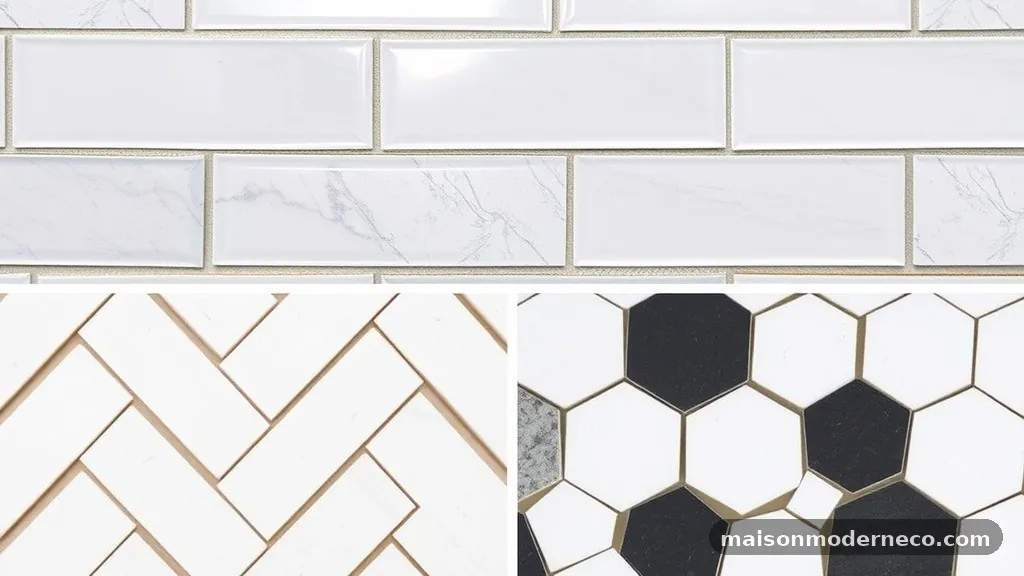
The primary difference in maintenance between these two designs lies in the sheer volume of grout lines. A standard subway tile in a straight bond uses significantly less grout than a herringbone arrangement because the latter requires shorter, more frequent cuts and more complex junctions. Herringbone patterns involve 45-degree angles that create more intersections, each acting as a potential trap for soap scum, grease, and moisture.
Hexagon tiles, conversely, are defined by their six sides, which inherently create a honeycomb mesh. Small-format mosaic tiles shaped like hexagons result in a very high ratio of grout to tile surface area.
If you opt for large-format porcelain hexagons, you drastically reduce the number of joints, but you still deal with a continuous network of lines that must remain sealed. When comparing the two, remember that more grout lines mean more surface area that requires deep scrubbing.
Evaluating Durability in High-Moisture Areas
Durability in a shower or bathroom often depends on the quality of the installation and the type of material chosen. Herringbone layouts are notoriously difficult to install correctly because the pattern is unforgiving; if your walls are even slightly out of plumb, the diagonal lines will highlight the error. This can lead to uneven tiles that may chip or crack if they are not perfectly supported by the mortar bed.
Hexagon tiles are often more forgiving in terms of visual alignment, but they face their own challenges regarding load-bearing capacity. If you use small mosaic hexagon tiles on a shower floor, you are relying on the strength of the mesh backing and the quality of your thin-set mortar.
If the mortar isn’t applied with full coverage, the voids underneath can cause individual tiles to crack under the weight of foot traffic. Always ensure your substrate is properly waterproofed, as the increased number of joints in a hexagon floor creates more pathways for water to penetrate if the grout fails.
Managing Cleaning Regimens for Complex Patterns
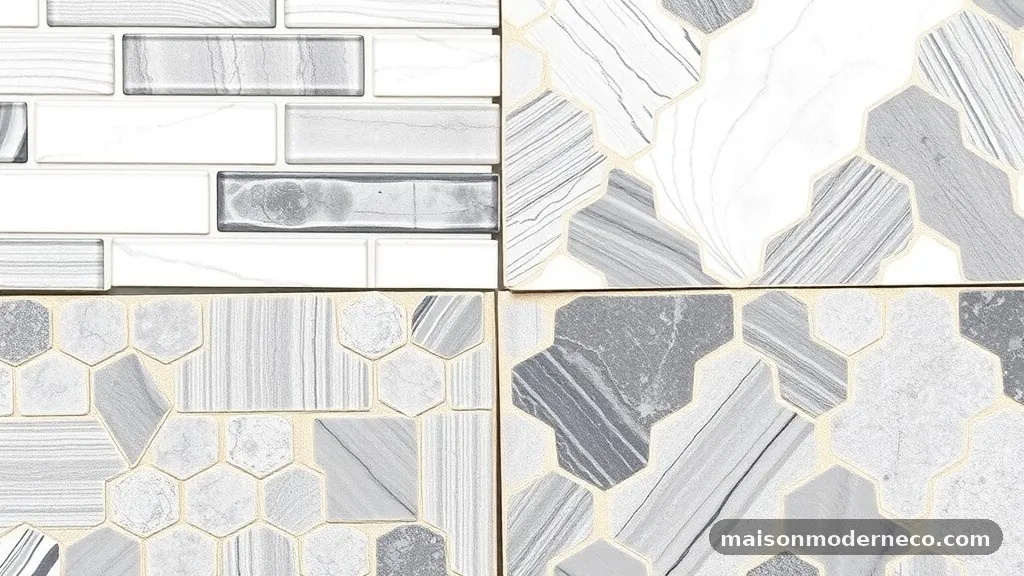
Cleaning grout lines is rarely an enjoyable task, so the complexity of your chosen layout matters. A subway tile herringbone pattern creates a series of diagonal channels that can make wiping down a wall with a squeegee more difficult than with a standard horizontal bond. You may find that water pools in the V-shaped intersections, leading to persistent mineral buildup if the area isn’t dried thoroughly.
Hexagon tiles, especially those used on floors, require a different approach to maintenance. Because of the multi-directional grout lines, you cannot simply mop in one direction to clear debris. You must ensure that your cleaning solution is pH-neutral to avoid etching natural stone or discoloring the grout pigment.
For a deeper look at material standards, you can consult the Tile Council of North America for industry-standard installation and maintenance guidelines. Using a high-quality penetrating sealer on your grout is the single most effective way to minimize the time you spend scrubbing these complex patterns.
The Impact of Tile Size on Maintenance
The physical size of the tile is a major factor in how often you will need to perform deep cleaning. Larger subway tiles, such as 3×12 or 4×16 formats, reduce the total number of grout lines compared to traditional 3×6 options. When these large tiles are arranged in a herringbone pattern, you gain the visual complexity of the design without the overwhelming maintenance of hundreds of tiny grout joints.
With hexagon tiles, the size dictates the aesthetic of the space entirely. Small, one-inch mosaic hexagons are popular for bathroom floors because they provide extra grip through the increased number of grout lines, which act as texture.
However, this safety feature comes at the cost of significantly more maintenance time. If you prioritize ease of cleaning, choose a larger hexagon tile (four inches or wider) to keep the grout network manageable while maintaining that modern geometric look.
Selecting the Right Grout for Your Layout
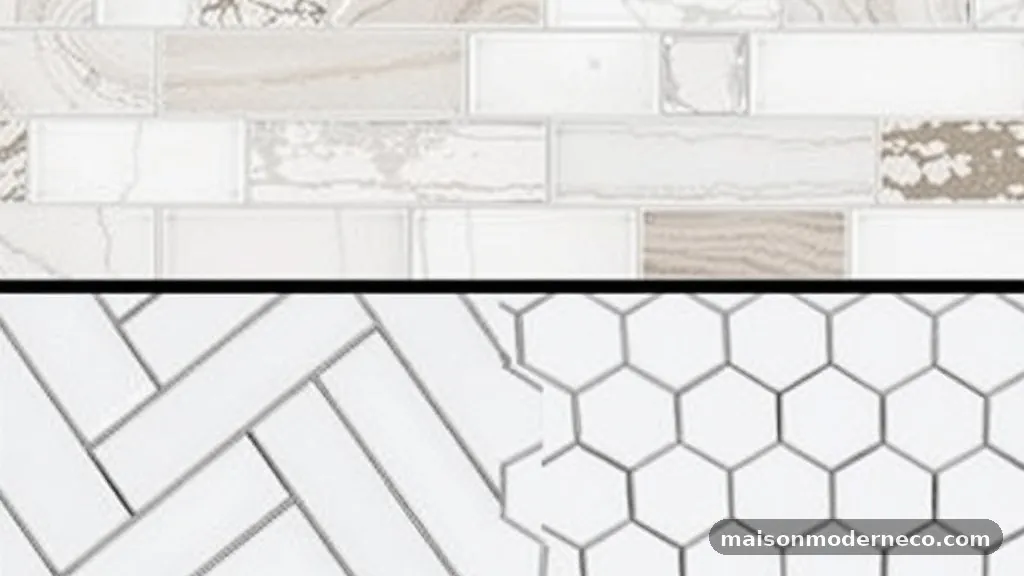
Not all grout is created equal, and your choice here is just as important as the tile shape itself. For high-traffic areas or spaces prone to moisture like showers, epoxy grout is the gold standard for durability. It is non-porous, stain-resistant, and does not require sealing, which effectively solves the biggest drawback of high-grout-count layouts like herringbone or mosaic hexagons.
Cement-based grout is much easier for DIYers to install but is highly porous and will absorb oils and dyes if left unprotected. If you are determined to use a classic cement-based grout with a complex herringbone pattern, prepare to commit to a rigorous sealing schedule. Many homeowners find that the extra cost of epoxy grout is quickly offset by the time saved on maintenance, especially when dealing with the intricate lines of a herringbone or a tight hexagon mosaic.
Addressing Structural Integrity and Substrate Prep
Regardless of the pattern, your tile is only as good as the surface beneath it. For herringbone installations, the substrate must be perfectly flat because the pattern emphasizes any irregularities in the wall or floor. If the underlying material flexes, the grout will crack, and the tiles may pop off, creating a much more expensive repair than a simple cleaning issue.
Hexagon tiles are slightly more resilient to minor surface imperfections due to their shape, but they still require a solid, crack-isolation membrane if you are installing them over a concrete slab. In older homes, floors often shift; using a high-quality uncoupling membrane under your hexagon floor tiles can prevent the grout from cracking as the house settles. Never skip these structural steps in favor of a faster installation, as the result will be a failing floor that is impossible to keep clean.
Common Installation Mistakes to Avoid
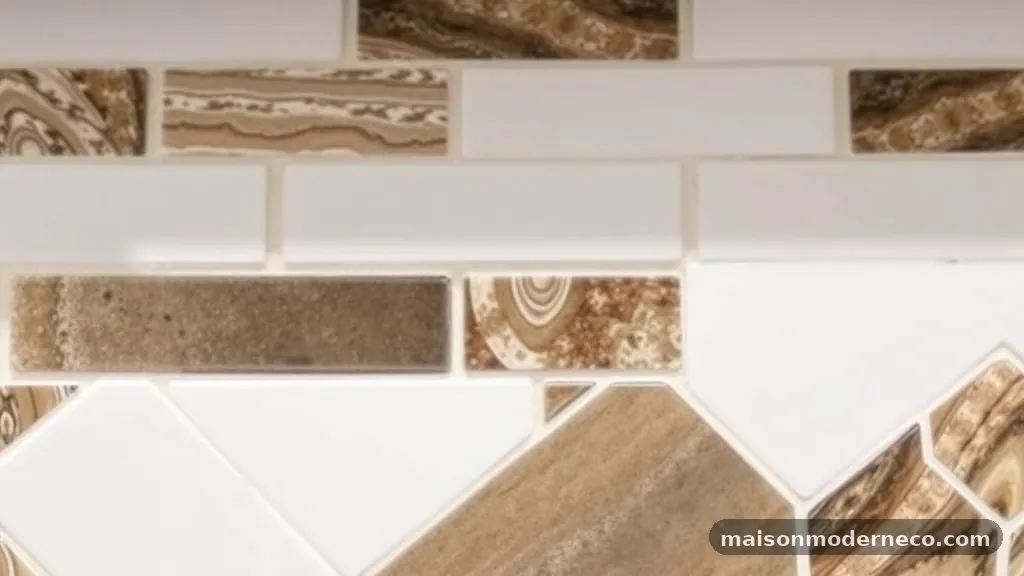
One of the most frequent errors with herringbone layouts is failing to account for “lippage,” where the edge of one tile sits higher than the adjacent one. Because the tiles meet at various angles, even a small amount of lippage creates a sharp edge that collects dirt and can even be a tripping hazard on floors. Use a leveling spacer system to ensure the surface remains flat throughout the curing process.
For hexagon tiles, the most common mistake is poor grout color selection. Because there is so much grout visible in a honeycomb pattern, a high-contrast grout color will turn the floor into a busy, overwhelming grid.
If you want the tiles to shine, choose a grout color that closely matches the tile. This creates a more cohesive look and hides small imperfections in the spacing, making the entire surface look more professional and easier to maintain.
Comparing Aesthetic Versatility in Different Rooms
The subway tile herringbone pattern is often seen as a timeless choice for kitchen backsplashes, where it adds movement to a room without clashing with cabinets or appliances. It works exceptionally well in white or light gray, keeping the space feeling bright and airy. However, using it on a large bathroom floor can sometimes feel too busy or visually aggressive.
Hexagon tiles offer a more modern, playful aesthetic that fits perfectly in smaller spaces like powder rooms or laundry rooms. They can transition from a floor to a wall seamlessly, creating a “wrapped” effect that makes a small room feel larger.
When deciding between the two, consider the scale of your space. A herringbone pattern needs room to breathe to look its best, whereas hexagons can define a small, confined area with architectural precision.
Tools and Techniques for Better Grout Maintenance
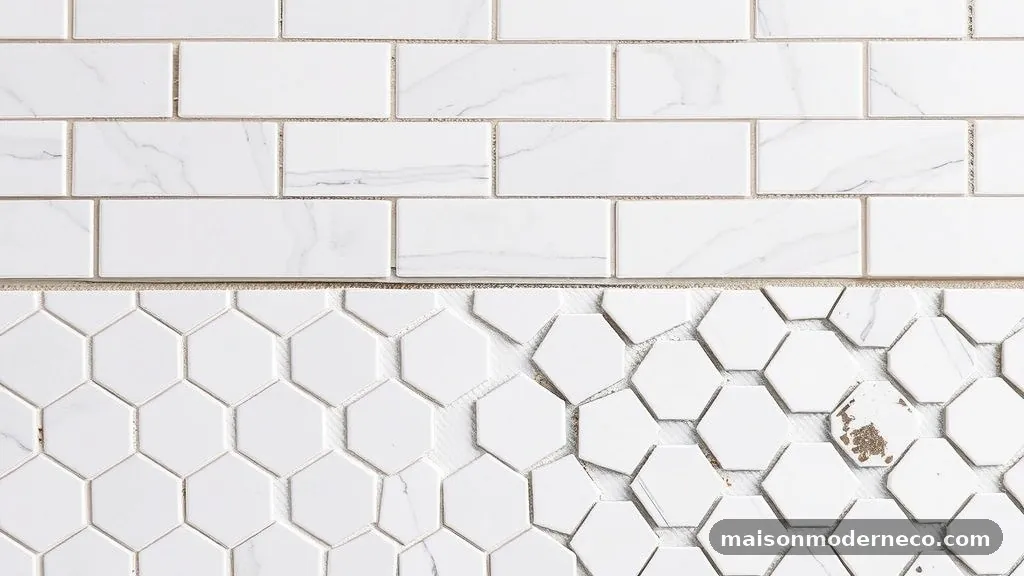
If you already have a herringbone or hexagon tile installation, your best defense is a proactive cleaning kit. Avoid harsh acid-based cleaners, which can eat away at the grout and damage the glaze on your tiles. Instead, use a soft-bristled brush and a dedicated tile-and-grout cleaner designed for the specific type of grout you used.
For those planning a new installation, consider the color of your grout carefully. While white grout looks stunning with white subway tile, it is notoriously difficult to keep clean in a high-traffic area.
A light gray or taupe grout provides a beautiful contrast that hides dirt and discoloration far better than pure white. By choosing the right color from the start, you significantly reduce the amount of effort required to keep your herringbone or hexagon design looking brand new.
Planning for Future Repairs and Replacements
One often overlooked aspect of tile selection is the availability of matching stock for future repairs. If a pipe bursts or a heavy object cracks a few tiles, you will need replacements that match your current lot. Herringbone patterns are particularly tricky here because they require many custom-cut tiles; if you don’t have enough attic stock, finding a matching dye lot months or years later is nearly impossible.
When purchasing your tile, always order 15% to 20% more than the measured square footage. This ensures you have enough material to account for the complex cuts required by the herringbone pattern and provides a buffer for future repairs.
For hexagon tiles, the waste factor is usually slightly lower, but you should still keep a full box stored in a dry, safe place. This simple habit protects your investment and ensures that your chosen layout remains a permanent, beautiful feature of your home.
Frequently Asked Questions
Is it harder to clean a herringbone or hexagon pattern?
Both patterns require more effort than standard grid layouts due to the increased amount of grout. Herringbone patterns have more diagonal lines that can trap moisture, while hexagon patterns have a high density of grout lines. The difficulty level is comparable, but the type of cleaning differs based on the directional flow of the joints.
Will the herringbone pattern go out of style soon?
Herringbone is a classic design element that has been used for centuries, from brick walkways to high-end flooring. While trends in color and tile size change, the underlying pattern remains a staple of interior design. It is considered a timeless choice that adds character to both traditional and contemporary homes.
Can I use hexagon tiles on a shower floor?
Yes, hexagon tiles are an excellent choice for shower floors, especially in smaller sizes. The increased number of grout lines provides a natural slip-resistant texture, which is a significant safety benefit in wet areas. Just ensure you use a high-quality sealant or epoxy grout to prevent water penetration.
Does the subway tile herringbone pattern make a room look smaller?
The pattern itself is quite energetic and draws the eye, which can sometimes make a very small room feel busy. However, if you use a light-colored tile with a matching grout, the herringbone pattern can actually help a space feel more expansive by creating a sense of movement and depth.
Is it worth paying more for epoxy grout?
If you are installing a complex pattern like herringbone or a high-grout-count mosaic, epoxy grout is generally worth the investment. It is nearly impossible to stain, does not require sealing, and is much more durable than cement-based alternatives. It will save you significant time and frustration during the life of your installation.
Final Thoughts on Tile Selection
Deciding between a subway tile herringbone vs hexagon tile layout involves weighing your desire for a specific aesthetic against your tolerance for maintenance. Both options offer unique ways to enhance your home, provided they are installed with the correct preparation and high-quality materials.
If you value a timeless, elegant look for your walls, the herringbone pattern is a standout choice that rewards careful installation. For a modern, geometric floor that offers practical grip and a structured feel, the hexagon tile is hard to beat.
Whichever path you choose, remember that the longevity of your project depends on the quality of your grout and your commitment to a regular cleaning routine. Start by assessing the needs of your specific room, choose materials that suit your lifestyle, and don’t be afraid to invest in high-quality sealants or epoxy grout. If you have questions about your specific renovation project, feel free to reach out for more detailed advice on installation techniques or material selection.