11 Sage Green Bedroom Ideas
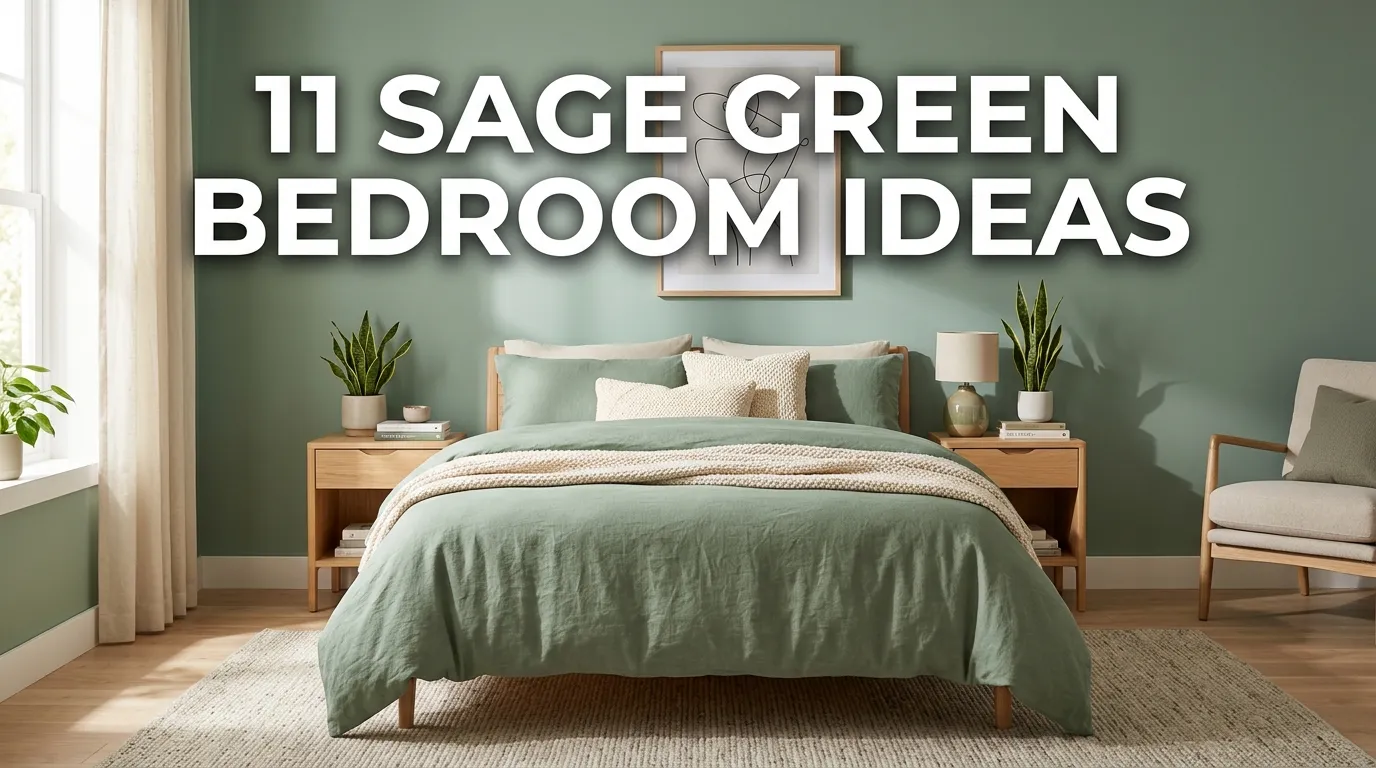
Sage green has a way of making a bedroom feel calm, grounded, and beautifully lived-in without becoming overly colorful. Its muted, earthy quality works especially well in bedrooms because it brings a gentle connection to nature while remaining versatile enough for modern, traditional, farmhouse, boho, and organic-inspired spaces.
The best sage green bedrooms aren’t necessarily covered in green from floor to ceiling. Often, the most appealing rooms use sage as one layer within a larger palette of warm white, cream, beige, natural wood, soft brown, or muted brass. This gives the color room to breathe and keeps the bedroom feeling sophisticated.
I’ve noticed that sage works particularly well when paired with tactile materials. Linen bedding, woven baskets, natural wood, boucle upholstery, ceramic accessories, and soft rugs can make the color feel warmer and more dimensional.
You can also control how much sage you introduce. A painted accent wall creates a stronger statement, while sage pillows, curtains, artwork, or a quilt offer an easier way to experiment. This makes the color practical for renters and anyone who prefers decorating in stages.
Whether you’re refreshing a primary bedroom, guest room, apartment bedroom, or cozy retreat, these ideas show how to use sage green without making the space feel overly themed. From soft tonal layering to warm wood combinations, each approach focuses on creating a bedroom that looks beautiful while remaining comfortable for everyday life.
The key is balance: let sage green provide the personality, then use warm neutrals and natural textures to create the softness that makes a bedroom feel inviting.
Table of Contents
1. Sage Accent Wall
Create a calming focal point behind the bed.
2. Sage Green Bedding
Introduce the color through soft, changeable layers.
3. Sage and Cream
Pair muted green with warm light neutrals.
4. Natural Wood Pairing
Use wood to make sage feel warm and organic.
5. Sage Upholstery
Bring the color into the room through furniture.
6. Botanical Layering
Build a nature-inspired palette around sage.
7. Sage and Beige
Create a sophisticated tonal bedroom.
8. Vintage Sage Details
Give the bedroom timeless character.
9. Sage Boho Layers
Combine earthy color with relaxed textures.
10. Modern Sage Palette
Use sage with clean contemporary elements.
11. Soft Sage Retreat
Create a serene, spa-like bedroom atmosphere.
1. Sage Accent Wall
Quick Benefits
- Creates an instant focal point
- Adds color without overwhelming the room
- Works behind the bed
- Complements neutral furniture
- Makes the bedroom feel grounded
Why It Works
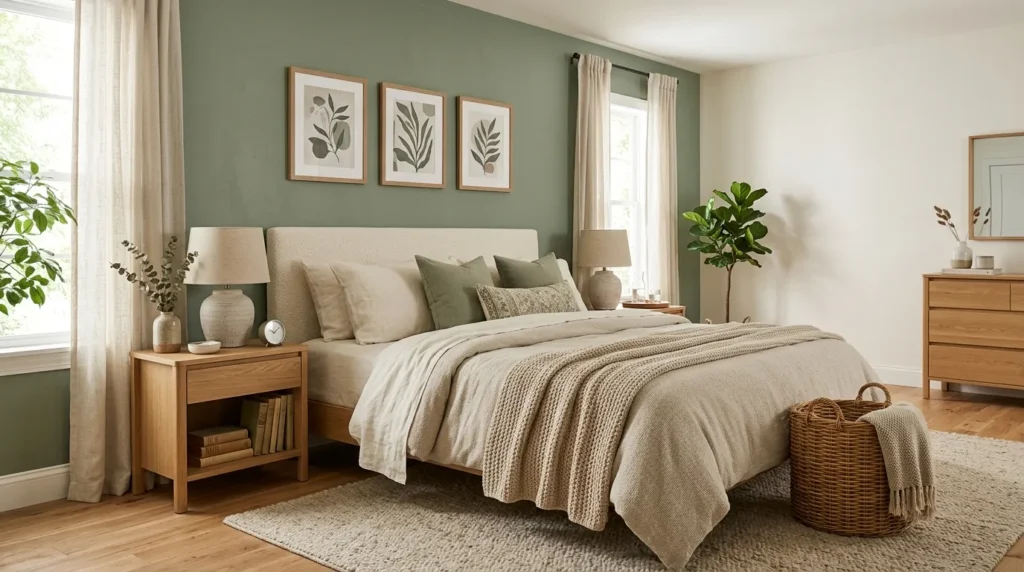
A sage green accent wall can completely change the mood of a bedroom while keeping the rest of the decorating process relatively simple. Because sage is muted rather than intensely saturated, it tends to feel restful instead of visually demanding.
The wall behind the bed is usually the most effective location because it naturally becomes the room’s focal point. The color can frame the bed and make a simple headboard feel more intentional.
In my experience, sage looks particularly beautiful beside warm whites and natural wood. The combination creates an earthy softness that feels current without relying on a short-lived decorating trend.
How To Style It
Choose a muted sage rather than an extremely bright green.
Paint the wall behind the headboard and keep adjacent walls lighter if you want the room to feel spacious.
Pair the color with cream or ivory bedding, warm wood nightstands, and simple artwork.
If the room receives limited natural light, test paint samples at different times of day before committing because green undertones can shift depending on the lighting.
2. Sage Green Bedding
Quick Benefits
- Easy to update
- Adds gentle color
- Creates a cozy focal point
- Works with neutral walls
- Ideal for renters
Why It Works
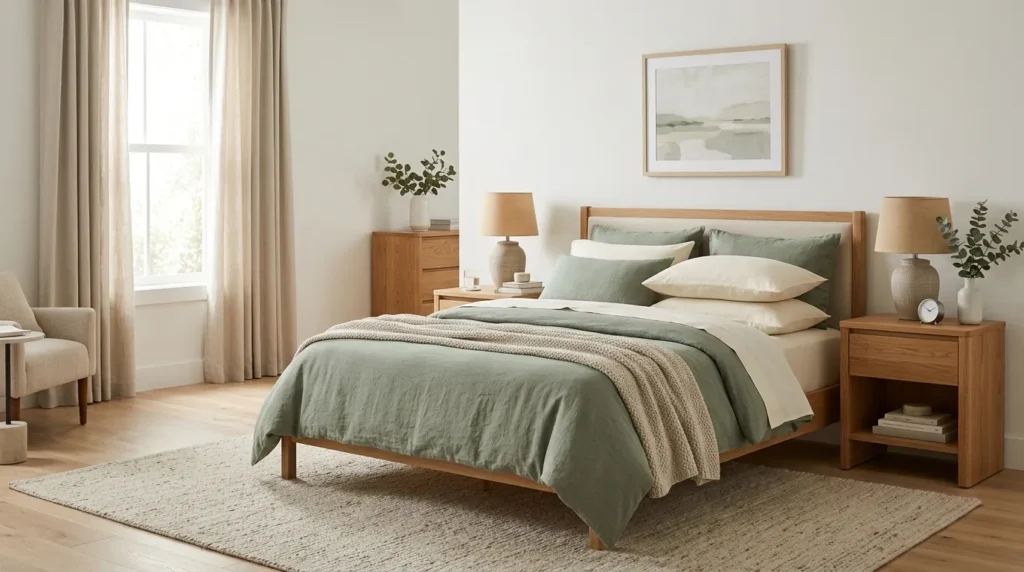
Sage bedding is one of the easiest ways to experiment with the color without making a permanent change.
A sage duvet, quilt, comforter, or coverlet can become the main color story of the room while the walls and larger furniture remain neutral.
The muted quality of sage makes it particularly easy to combine with cream, oatmeal, beige, white, and soft brown.
Rather than matching every piece exactly, use several shades and textures to create a more relaxed appearance.
How To Style It
Start with neutral sheets.
Add a sage quilt or duvet as the main layer, then introduce cream and oatmeal pillows.
Fold a beige or ivory throw across the foot of the bed.
For additional depth, mix linen, cotton, knitted, or quilted textures.
Keep the nightstands relatively simple so the bedding remains the visual focal point.
3. Sage and Cream
Quick Benefits
- Creates a soft palette
- Keeps the room bright
- Feels timeless
- Works across decorating styles
- Makes sage look sophisticated
Why It Works
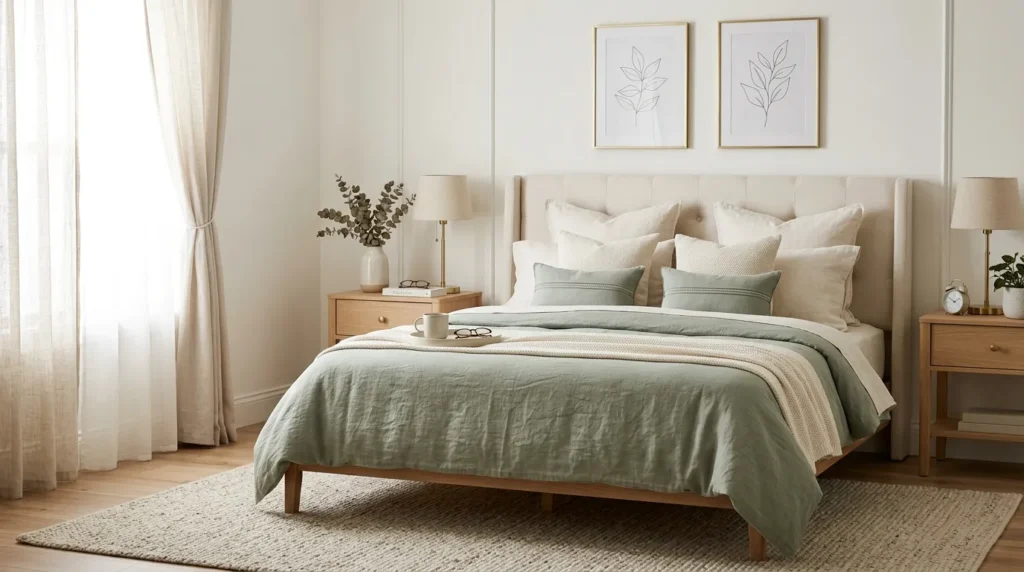
Sage and cream are an especially versatile combination.
Cream softens the green while sage prevents the room from becoming too plain. Together, they create a palette that feels natural and restful without looking overly monochromatic.
This pairing works particularly well in bedrooms with plenty of natural light, but it can also help warm up rooms that feel visually cool.
The trick is to avoid using one exact shade of cream everywhere.
How To Style It
Use cream as the dominant background through walls, bedding, curtains, or upholstery.
Then introduce sage through pillows, a quilt, artwork, or an accent chair.
Add natural wood for another warm layer.
Small touches of aged brass can also work beautifully if you want a slightly more elegant finish.
4. Natural Wood Pairing
Quick Benefits
- Adds warmth
- Enhances sage’s earthy quality
- Creates organic contrast
- Works with modern and rustic styles
- Adds timeless texture
Why It Works
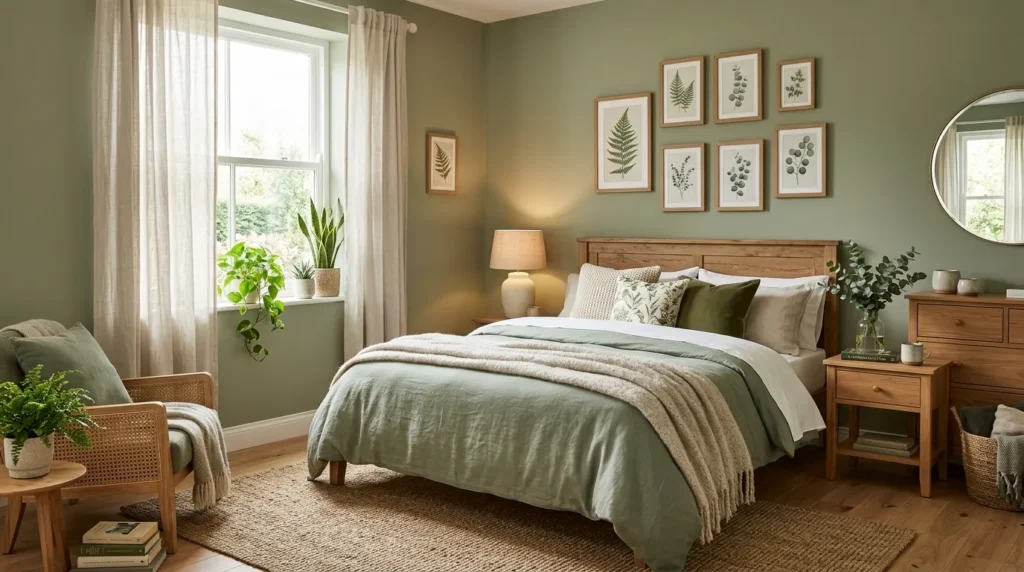
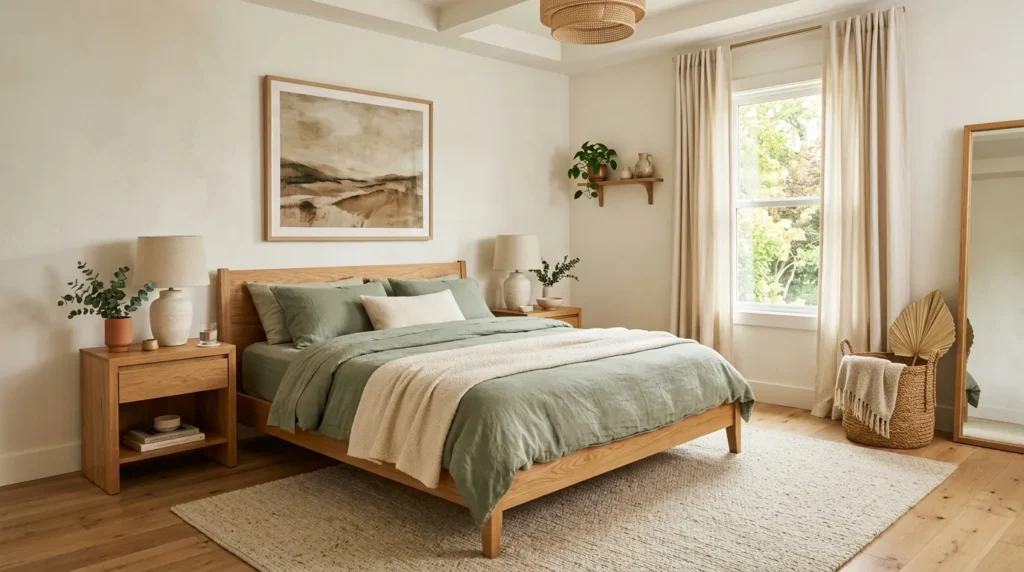
Sage green and natural wood feel naturally connected because both bring an organic quality into the bedroom.
Light oak can create an airy Scandinavian-inspired appearance, while walnut produces a richer, more sophisticated effect.
Wood also keeps sage from feeling too cool.
This combination is particularly useful when the bedroom contains a lot of white or neutral surfaces. A wooden bed, dresser, or nightstand can introduce enough warmth to make the room feel comfortable.
How To Style It
Choose one dominant wood tone.
Pair a light oak bed with sage bedding and cream walls for an airy look.
For something moodier, combine walnut furniture with deeper sage textiles and warm lighting.
Add woven baskets, linen, and ceramic accessories to reinforce the natural theme without making the room feel overly rustic.
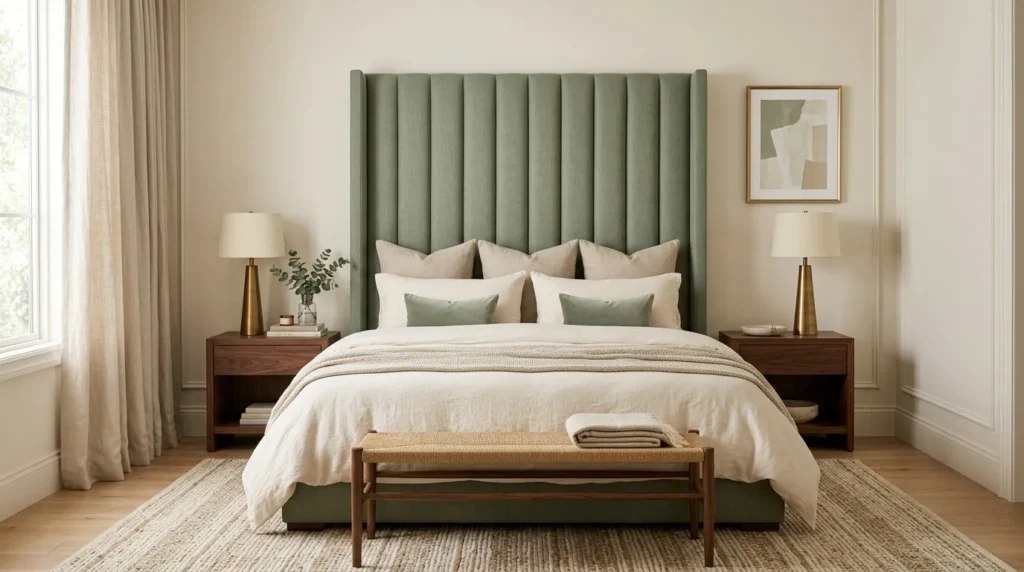
5. Sage Upholstery
Quick Benefits
- Adds sophisticated color
- Creates a strong focal point
- Softens modern furniture
- Adds visual depth
- Works beautifully with neutral walls
Why It Works
If you want sage to have a stronger presence, upholstered furniture can be an excellent option.
A sage green headboard immediately defines the sleeping area without requiring painted walls.
An accent chair or bench can provide a smaller dose of color.
The fabric itself also adds texture, making the color feel more dimensional than it would on a completely flat surface.
How To Style It
A sage upholstered headboard looks beautiful against warm white or cream walls.
Layer the bed with neutral bedding rather than introducing several additional colors.
Use natural wood nightstands and soft lighting to balance the green.
If choosing a sage accent chair, repeat the shade subtly through a cushion or artwork elsewhere in the room.
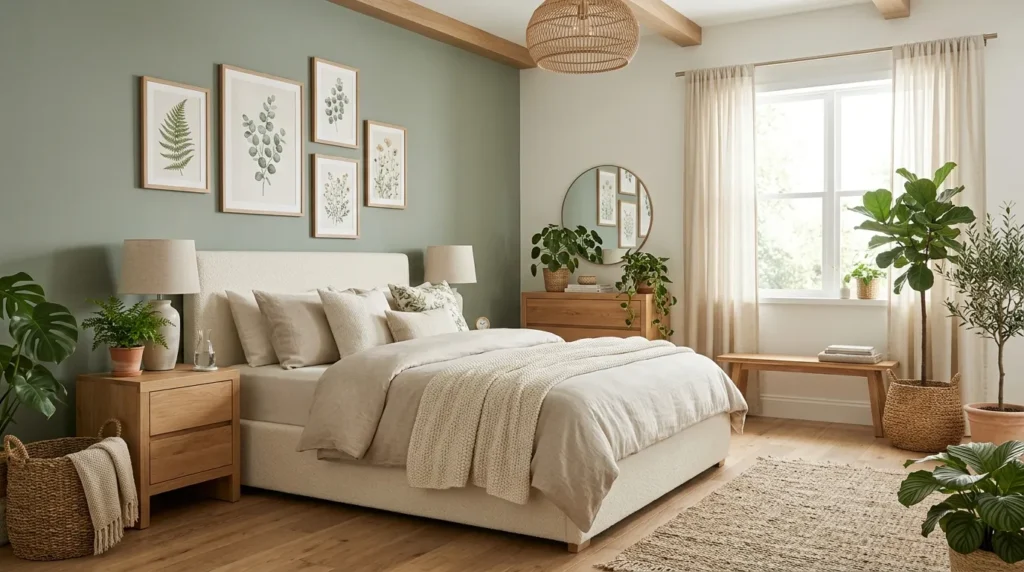
6. Botanical Layering
Quick Benefits
- Creates a nature-inspired atmosphere
- Adds organic texture
- Connects multiple shades of green
- Works with neutral decor
- Feels fresh and relaxed
Why It Works
Sage becomes especially natural-looking when paired with other botanical elements.
Instead of trying to match every green perfectly, use different muted green tones through plants, artwork, textiles, and accessories.
The slight variations make the room feel more collected and realistic.
This approach works particularly well with natural materials such as rattan, linen, wood, jute, and ceramic.
How To Style It
Start with sage as your primary green.
Add a few plants suited to the room’s actual light conditions.
Use botanical artwork or subtle leaf-inspired patterns.
Bring in woven baskets and natural wood furniture.
Keep the background neutral so the greens remain visually connected without making the room feel like a themed space.
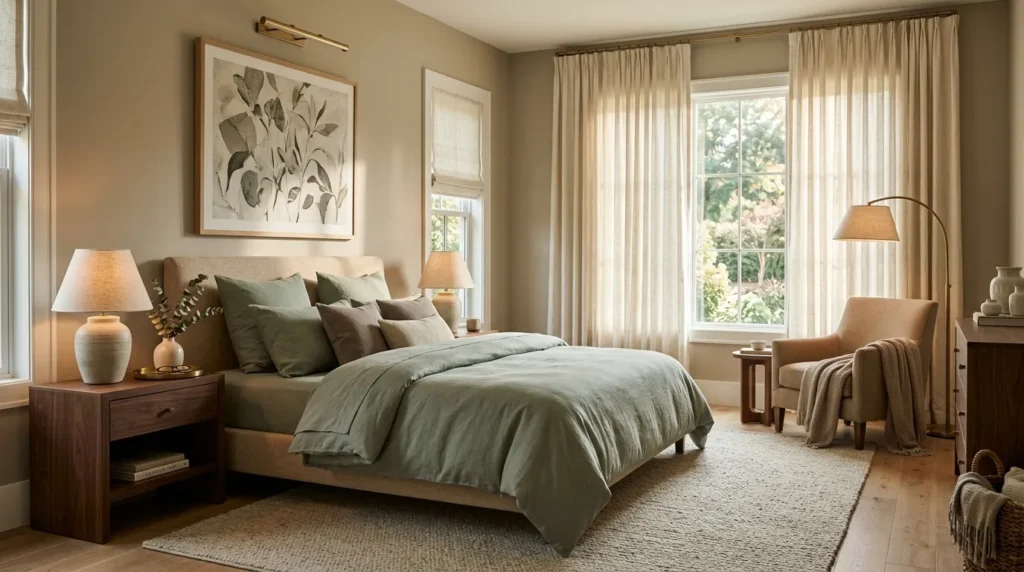
7. Sage and Beige
Quick Benefits
- Creates warmth
- Looks sophisticated
- Works in traditional and modern rooms
- Adds subtle contrast
- Makes sage feel less cool
Why It Works
Beige brings warmth and softness to sage green.
This pairing is particularly useful if you want a more mature or sophisticated bedroom rather than a distinctly botanical look.
Taupe, oatmeal, camel, and warm beige can all sit comfortably beside muted sage.
The result feels layered because the colors are different enough to create contrast while still belonging to a quiet earthy palette.
How To Style It
Use beige for the larger pieces, such as the rug, curtains, or upholstered headboard.
Introduce sage through bedding, artwork, or an accent wall.
Add warm brown wood and small brass details.
Keep patterns subtle and let the tonal differences between sage and beige provide most of the visual interest.
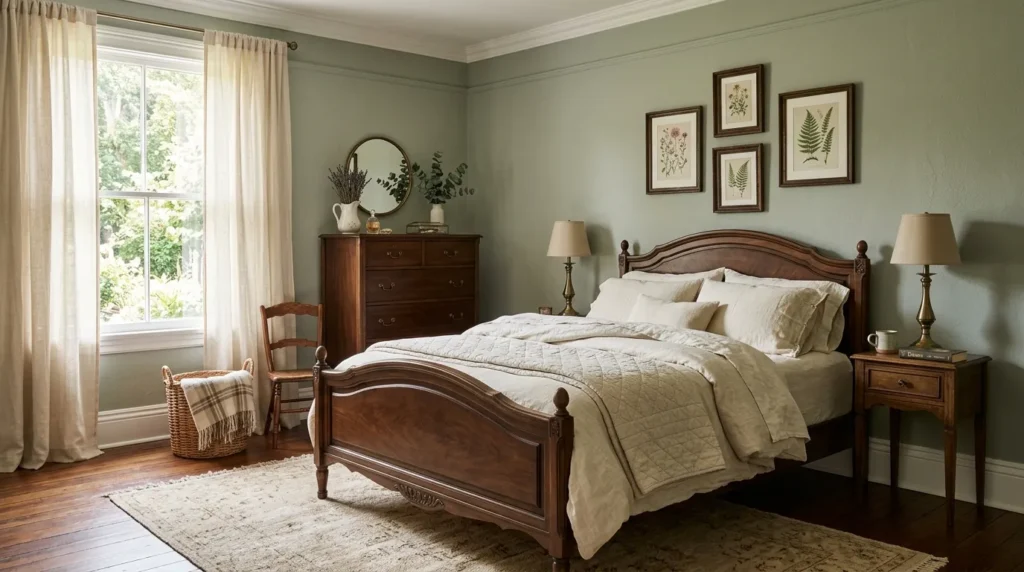
8. Vintage Sage Details
Quick Benefits
- Adds character
- Creates timeless appeal
- Works with older furniture
- Prevents the room from feeling generic
- Pairs beautifully with warm metals
Why It Works
Sage has a naturally nostalgic quality that makes it work beautifully with vintage-inspired interiors.
Traditional furniture shapes, antique-style mirrors, botanical artwork, aged brass, and classic textiles can all complement the color.
You don’t need to create an entirely vintage bedroom.
A few carefully chosen pieces can provide enough character while keeping the overall space current.
How To Style It
Try sage walls with a traditional wood bed or vintage-inspired dresser.
Add an aged brass lamp or framed botanical print.
Use cream bedding rather than matching every element to the green.
If you’re mixing older furniture with newer pieces, repeat one or two colors or materials so the room feels intentional rather than mismatched.
9. Sage Boho Layers
Quick Benefits
- Creates relaxed warmth
- Works with natural textures
- Adds personality
- Encourages layered styling
- Feels comfortable and casual
Why It Works
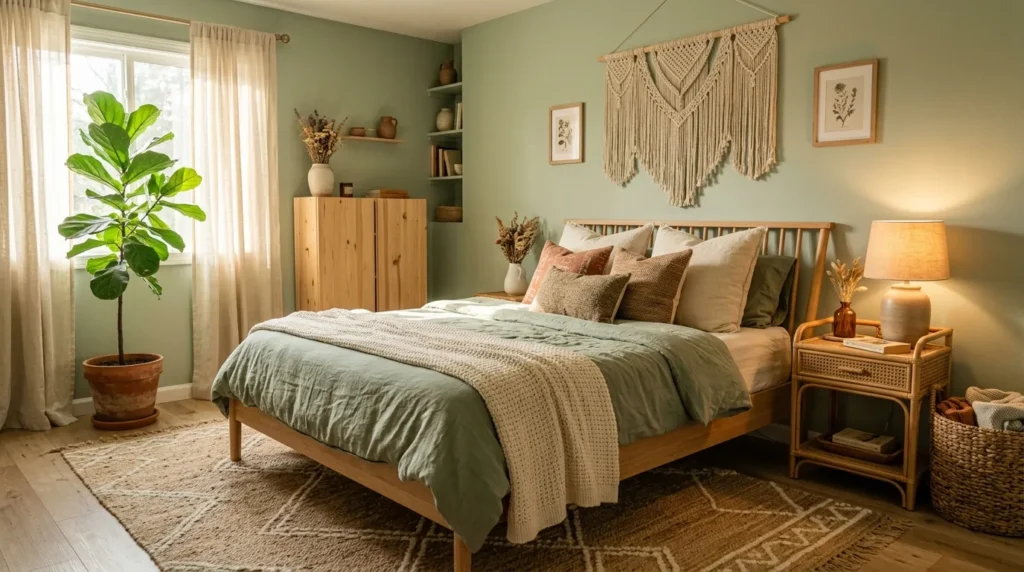
Sage green and boho decor naturally complement one another because both styles often rely on earthy colors and organic materials.
The color provides a calm foundation while woven textures, macramé-inspired details, rattan, wood, and patterned textiles introduce personality.
The key is editing.
Boho doesn’t have to mean filling every surface with accessories.
How To Style It
Use sage bedding or a painted accent wall as the foundation.
Layer in cream textiles, woven baskets, rattan furniture, and natural wood.
Add one or two patterned pillows in earthy tones.
A small plant or dried botanical arrangement can reinforce the organic feeling.
Keep floor and surface clutter under control so the bedroom remains relaxing.
10. Modern Sage Palette
Quick Benefits
- Creates contemporary color
- Works with clean lines
- Feels sophisticated
- Balances warm and cool tones
- Easy to personalize
Why It Works
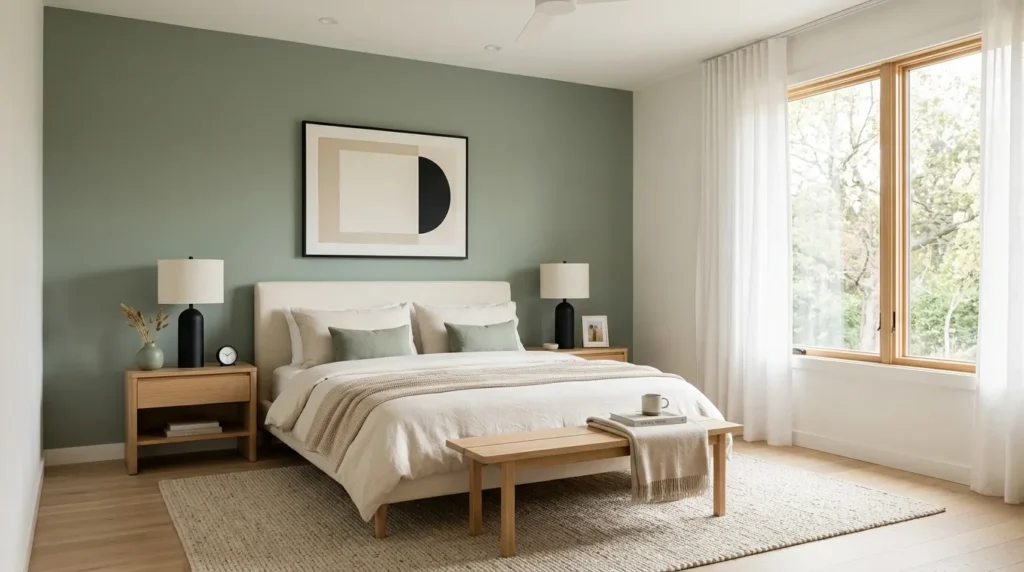
Sage can look surprisingly modern when paired with simple furniture and carefully controlled accessories.
Instead of using lots of rustic or botanical elements, let the color provide the softness while contemporary furniture creates structure.
This is ideal if you love modern design but want more warmth than an all-white bedroom provides.
How To Style It
Combine sage with warm white, light oak, matte black, and soft beige.
Choose furniture with simple silhouettes.
Use one large artwork piece rather than several small decorations.
Introduce curved shapes through a lamp, mirror, or chair to soften the straight lines.
Keep the room uncluttered and let the sage provide the main personality.
11. Soft Sage Retreat
Quick Benefits
- Creates a calming atmosphere
- Works well with warm neutrals
- Encourages a clutter-free look
- Feels comfortable and sophisticated
- Easy to layer
Why It Works
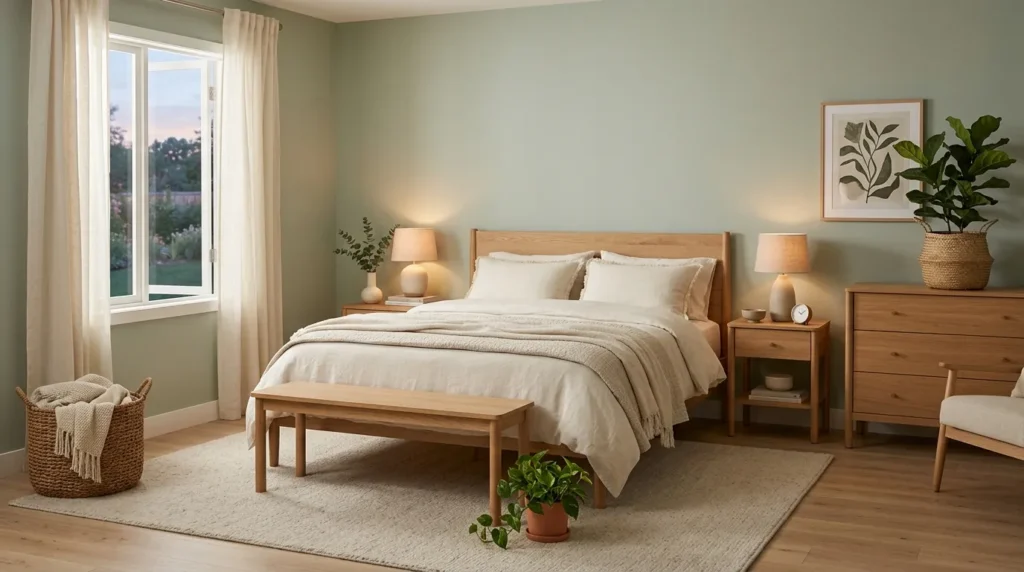
If your goal is a bedroom that feels like a quiet retreat, sage is an excellent foundation.
Its muted character works beautifully with soft fabrics, natural materials, warm lighting, and simple styling.
The effect doesn’t come from one particular piece. Instead, it comes from combining several calming elements that work together.
This is where restraint matters most.
A serene bedroom usually benefits from fewer competing patterns, coordinated textures, and enough open space around the furniture.
How To Style It
Use a soft sage wall color or sage bedding as the foundation.
Layer cream, oatmeal, and beige textiles throughout the room.
Choose warm lamps instead of relying entirely on overhead lighting.
Add natural wood and one or two pieces of greenery.
Keep nightstands and dressers edited, with only useful or meaningful objects on display.
How to Style Sage Green Without Overdoing It
Sage green works best when you decide how much visual weight you want it to have.
For a subtle look, use sage pillows, throws, artwork, or small accessories.
For a moderate look, introduce a sage upholstered headboard, bedding, curtains, or accent chair.
For a stronger look, paint the walls or use sage across several major surfaces.
A helpful rule is to choose one primary sage element and then repeat the shade two or three times in smaller details.
For example:
Sage wall + sage cushion + botanical artwork
or
Sage bedding + sage chair + small decorative accents
This creates connection without making the room feel overwhelmingly green.
Colors That Pair With Sage Green
Sage + Warm White
Fresh, soft, and timeless.
Sage + Cream
Warm and inviting.
Sage + Beige
Sophisticated and earthy.
Sage + Natural Wood
Organic and relaxed.
Sage + Walnut
Rich and elegant.
Sage + Black
Modern and graphic.
Sage + Brass
Warm and refined.
Sage + Dusty Rose
Soft and slightly romantic.
Sage + Terracotta
Earthy and expressive.
The best combination depends on the mood you’re trying to create. For a calm bedroom, warm white, cream, and beige are excellent foundations. For stronger contrast, try walnut, black, or terracotta in small doses.
Sage Green Bedroom Styling Mistakes to Avoid
Using too many shades of green.
Different greens can work together, but too many competing tones may make the room feel disconnected.
Making everything match.
Sage bedding, sage curtains, sage walls, and sage accessories can quickly become visually heavy.
Ignoring undertones.
Some sage paints lean gray, blue, yellow, or brown. Test samples in your actual room before choosing a large surface.
Forgetting warmth.
If your sage is cool-toned, add wood, cream, beige, or warm lighting to prevent the room from feeling chilly.
Overdecorating.
The color itself provides visual interest, so you often need fewer accessories.
FAQ
Is sage green a good color for a bedroom?
Yes. Sage green is a muted, earthy shade that can create a calm and restful atmosphere. It also pairs easily with cream, beige, white, natural wood, brass, and other neutral materials, making it versatile across many decorating styles.
What colors go best with sage green in a bedroom?
Warm white, cream, beige, taupe, natural wood, walnut, soft brown, muted blush, and terracotta can all work beautifully with sage. Black and brass can also be used in smaller amounts for contrast.
How do I decorate a bedroom with sage green walls?
Pair sage walls with neutral bedding, natural wood furniture, cream curtains, textured rugs, and warm lighting. Keep the remaining colors relatively restrained so the walls remain the main color feature.
Is sage green good for a small bedroom?
Yes. A soft, muted sage can work beautifully in a small bedroom, especially when paired with lighter neutrals and adequate natural or layered lighting. If you’re concerned about making the room feel smaller, consider using sage on one wall rather than every surface.
Does sage green work with wood furniture?
Sage and wood are a natural combination. Light oak creates a bright, Scandinavian-inspired look, while walnut produces a richer, more sophisticated atmosphere. Woven materials and cream textiles can complete the organic palette.
What bedding goes with sage green walls?
Cream, ivory, white, oatmeal, beige, and soft taupe bedding all pair well with sage walls. Natural linen or textured cotton can add depth while keeping the room relaxed.
Can sage green look modern?
Absolutely. Pair sage with clean-lined furniture, warm white, light oak, matte black, simple artwork, and restrained accessories. Keeping the shapes contemporary allows the color to feel fresh rather than overly traditional.
Conclusion
Sage green is one of those bedroom colors that can adapt beautifully to different decorating personalities.
It can feel modern with clean-lined furniture and matte black accents, relaxed with natural wood and woven textures, romantic with cream and muted blush, or timeless when paired with vintage-inspired furniture and aged brass.
The key is deciding how much sage you want to see.
If you’re hesitant about painting the walls, start with bedding or a few decorative accents. If you love the color, a sage accent wall or upholstered headboard can create a stronger focal point.
Then balance it with materials that add warmth. Natural wood, linen, woven fibers, ceramic, soft rugs, and warm lighting can keep the bedroom feeling comfortable rather than overly color-focused.
Don’t feel pressured to make every piece match. A beautifully decorated bedroom usually has small variations in color, texture, and material.
Start with one sage element you genuinely love and build around it. With the right balance of muted color, natural texture, and comfortable layers, you can create a bedroom that feels calm, personal, and timeless.